Wrapping up 2025
2025 was an incredibly busy year for us at CdA! We saw so much growth from both our Farming for the Future Program and our scholarship students in the Knowledge is Power Program! Check out below for a rundown of everything we got up to this year!
Graduates of 2025
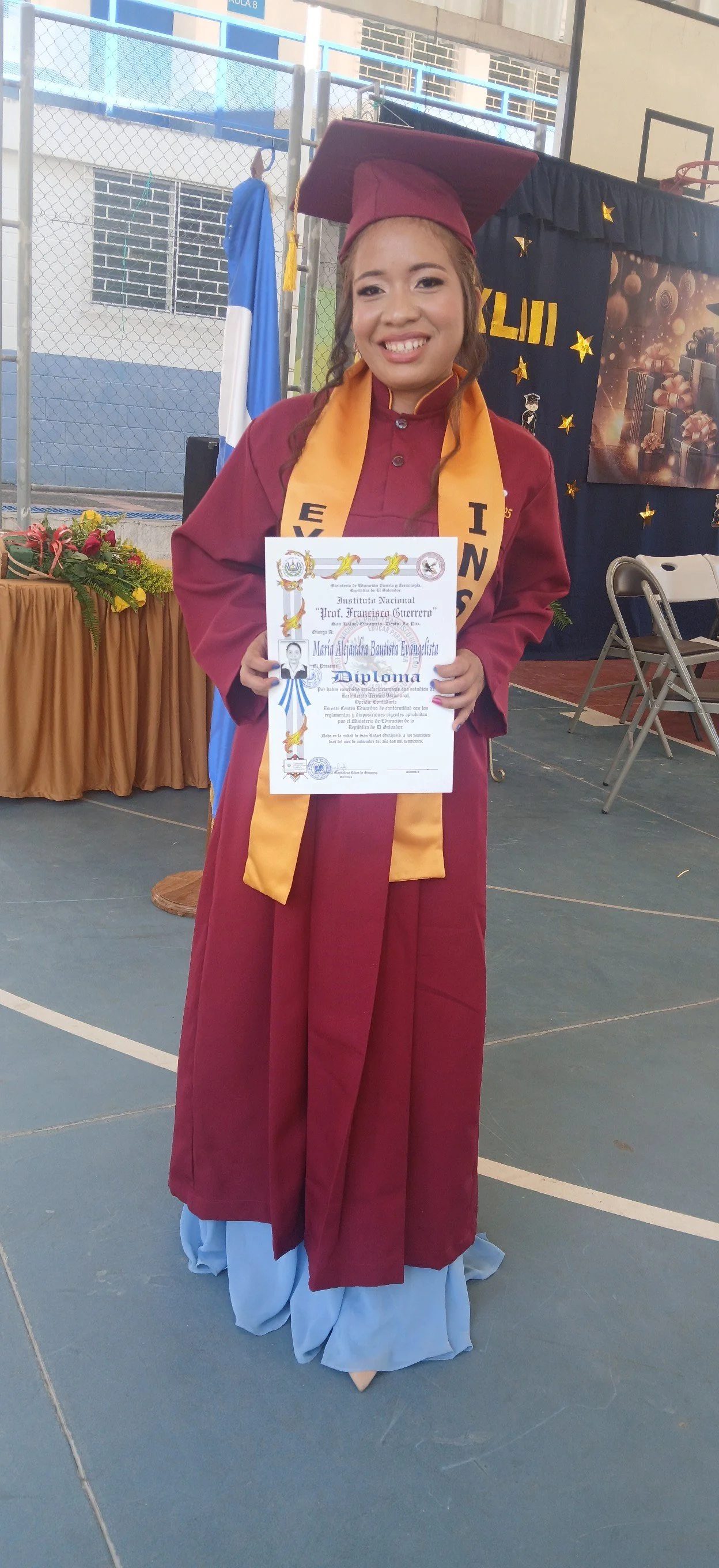
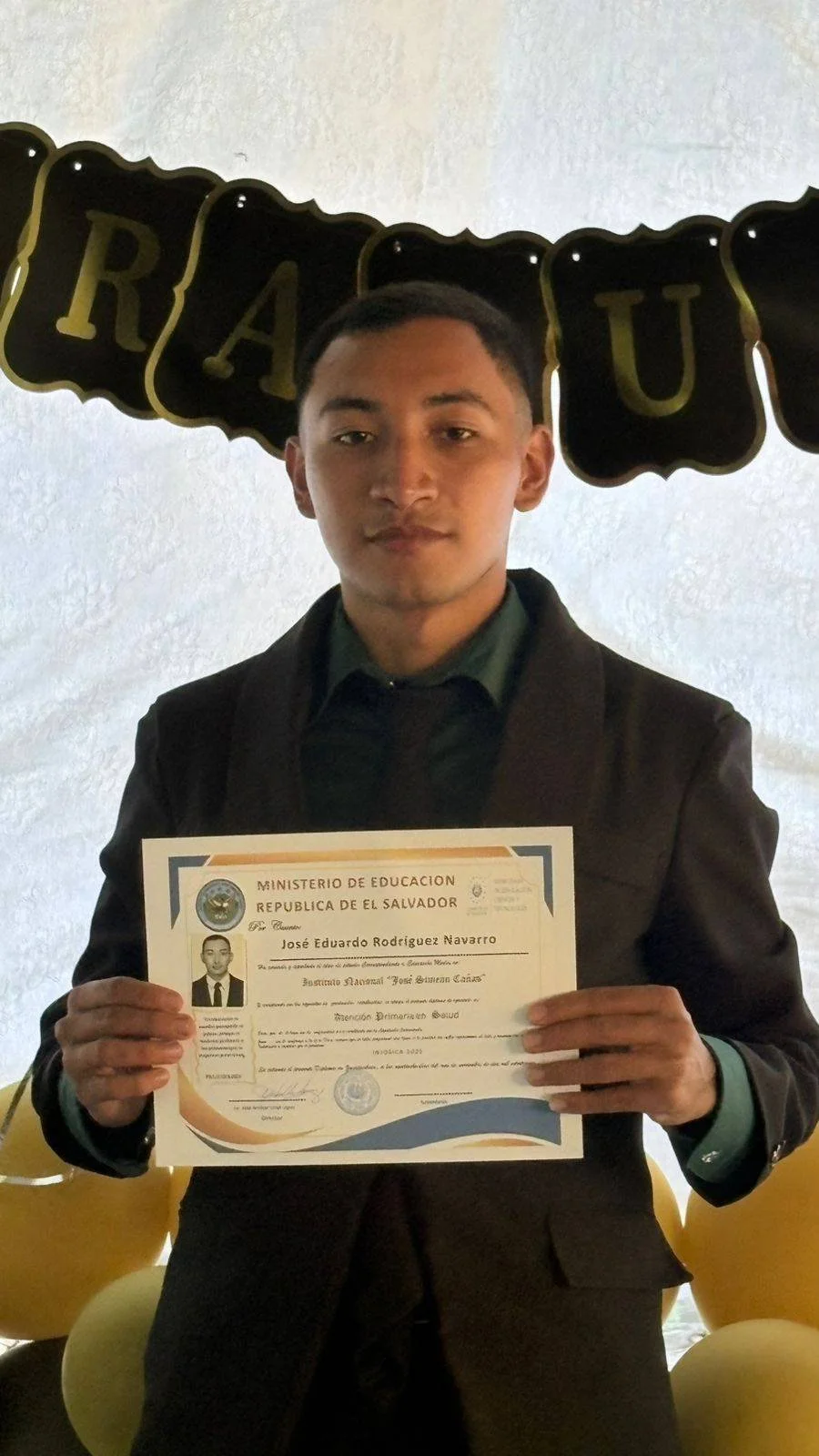
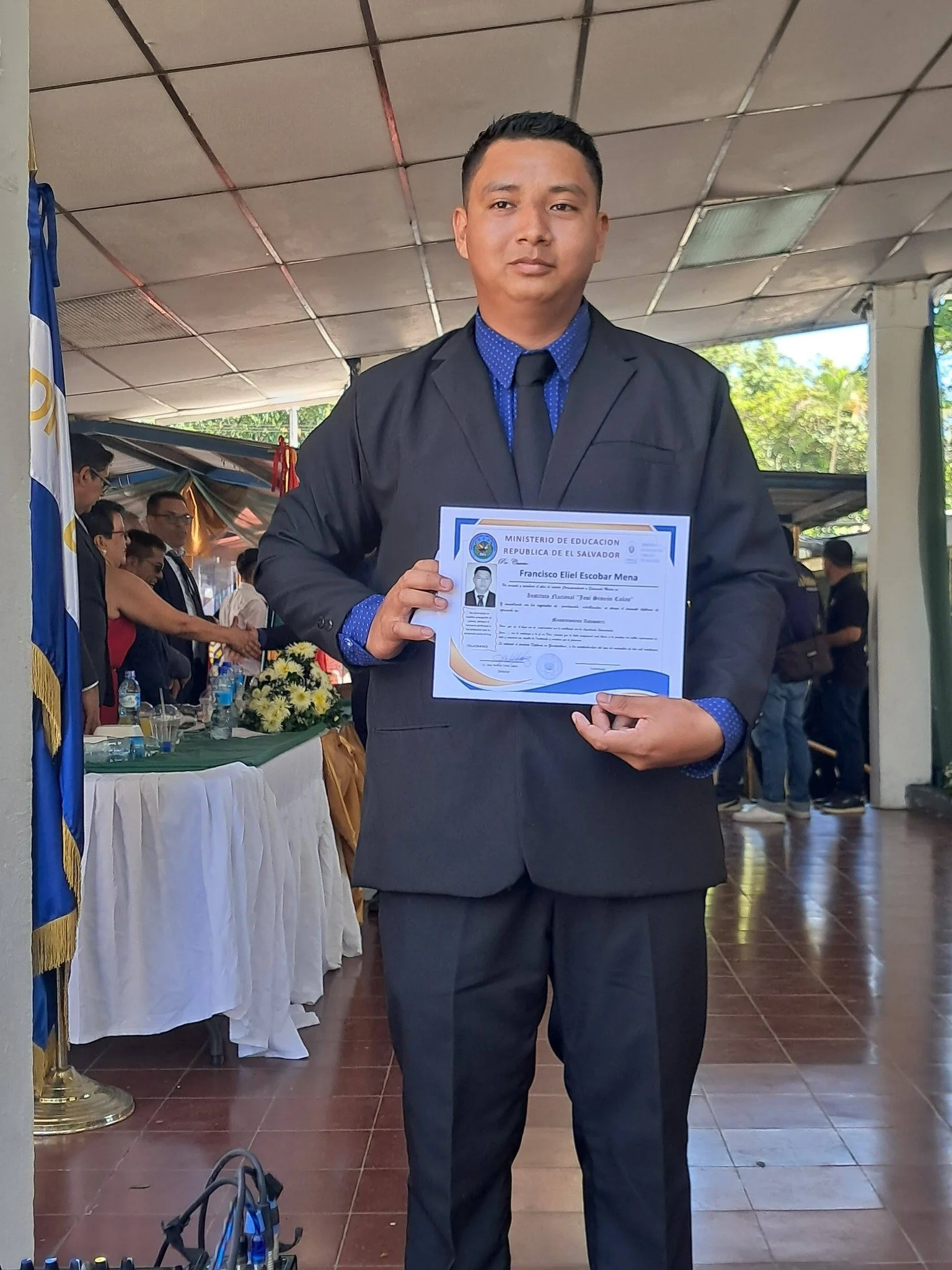
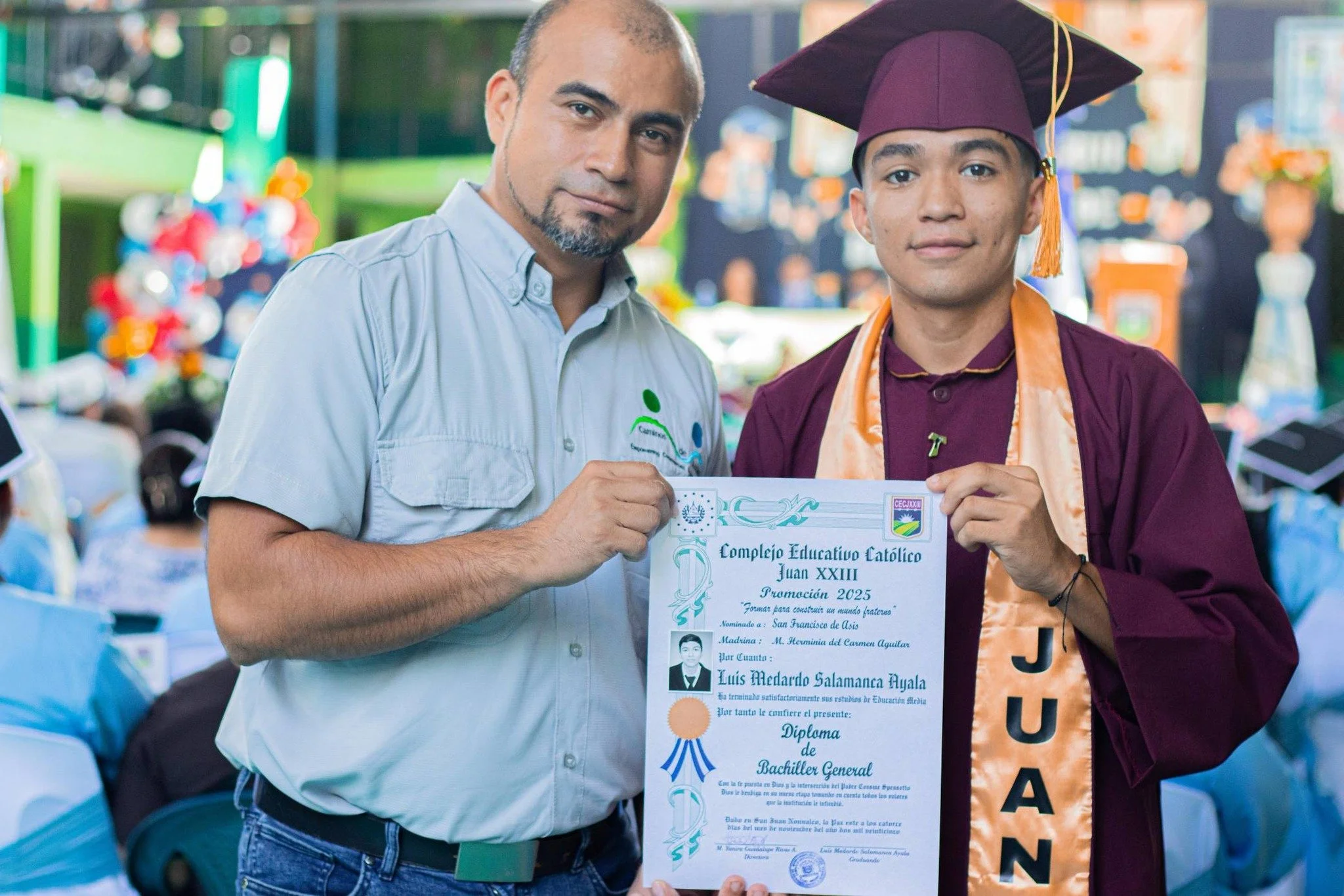
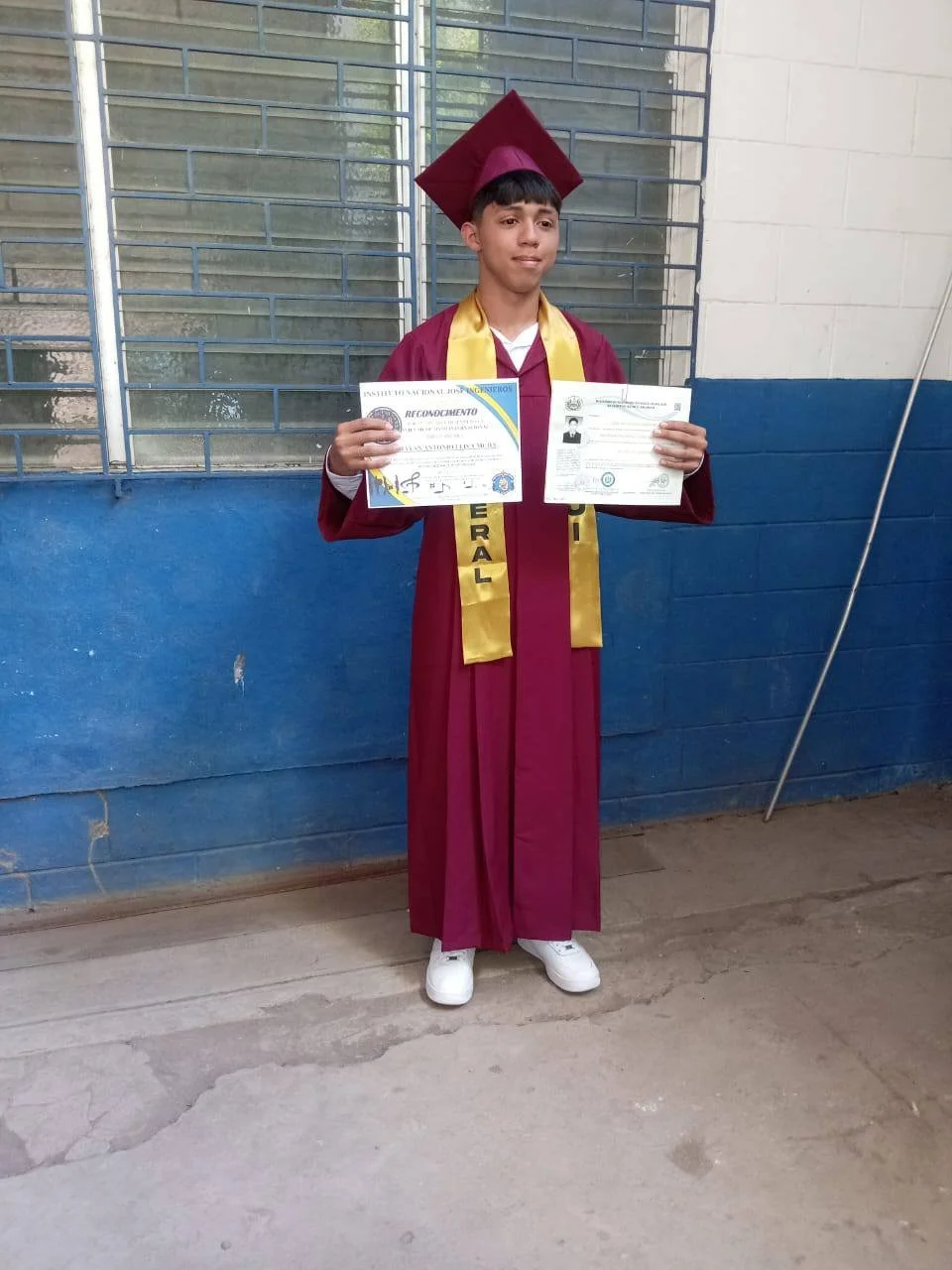
We are so incredibly excited to announce that five of our scholarship students have graduated from High School! We are so incredibly proud of all their hard work and cannot wait to see what they do next!
Knowledge is Power Program
We were incredibly fortunate to be able to add 13 new scholarship students in 2025! As such, we currently have 30 scholarship students on track to graduate from either high school or college!
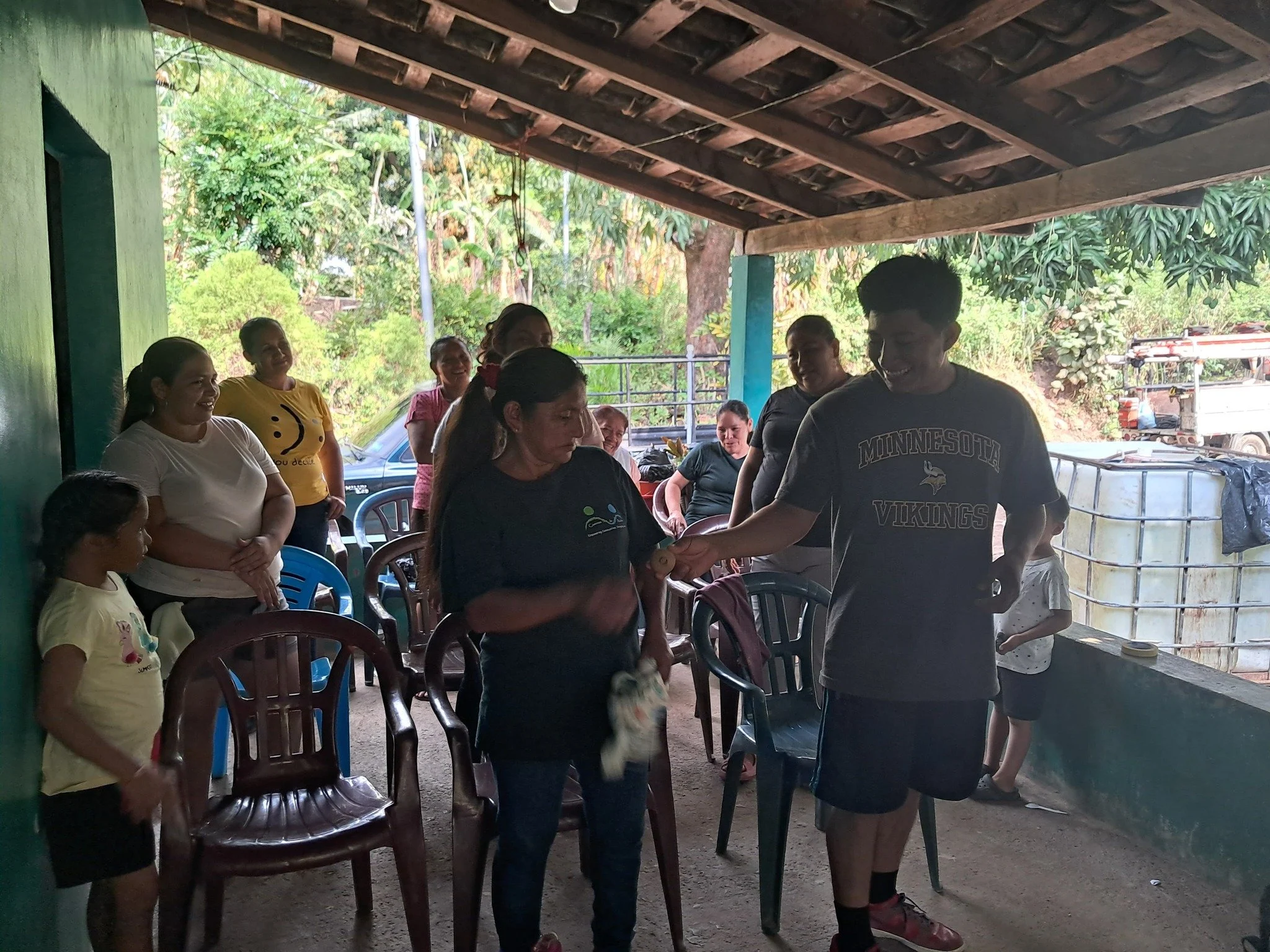
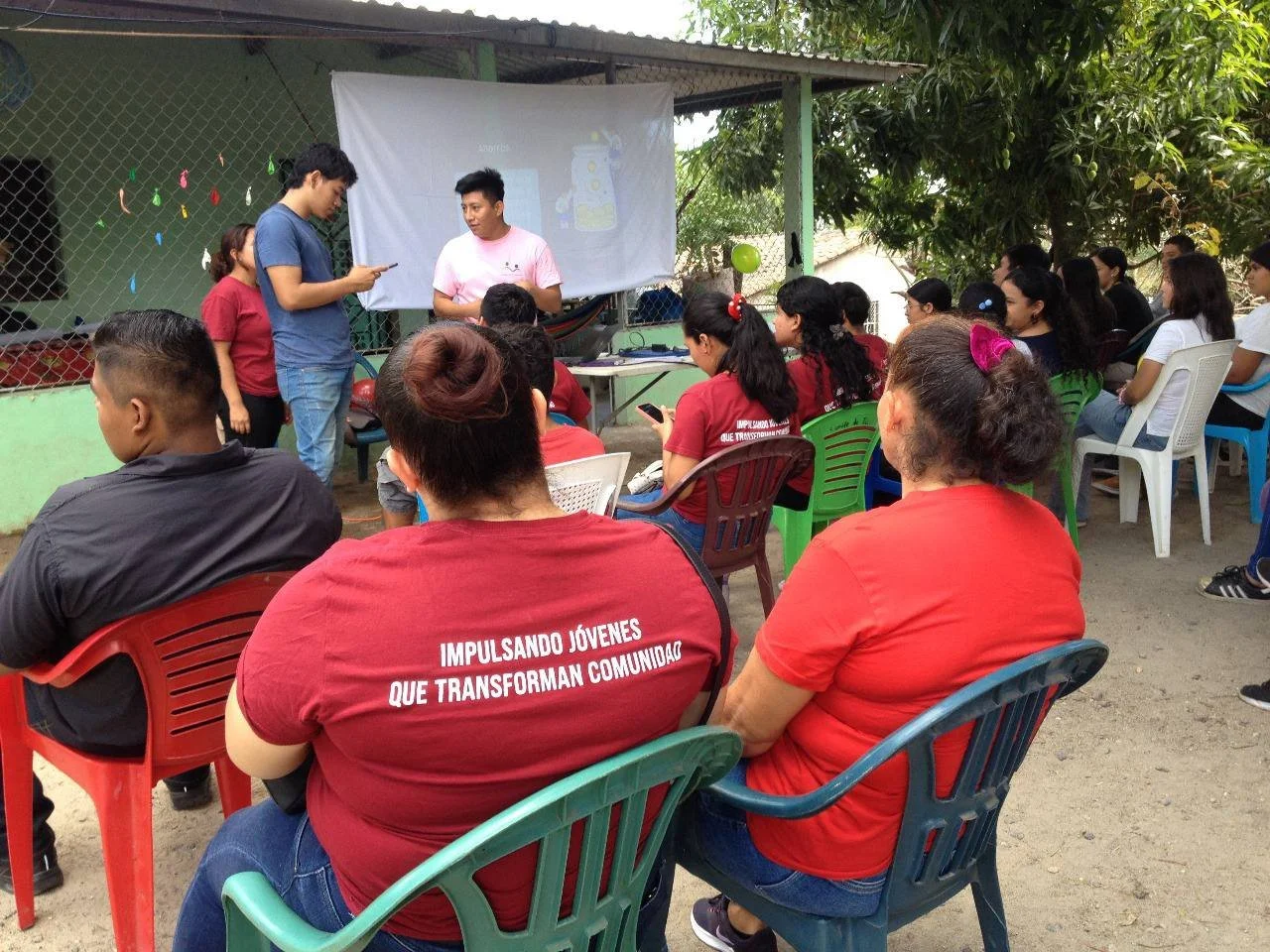
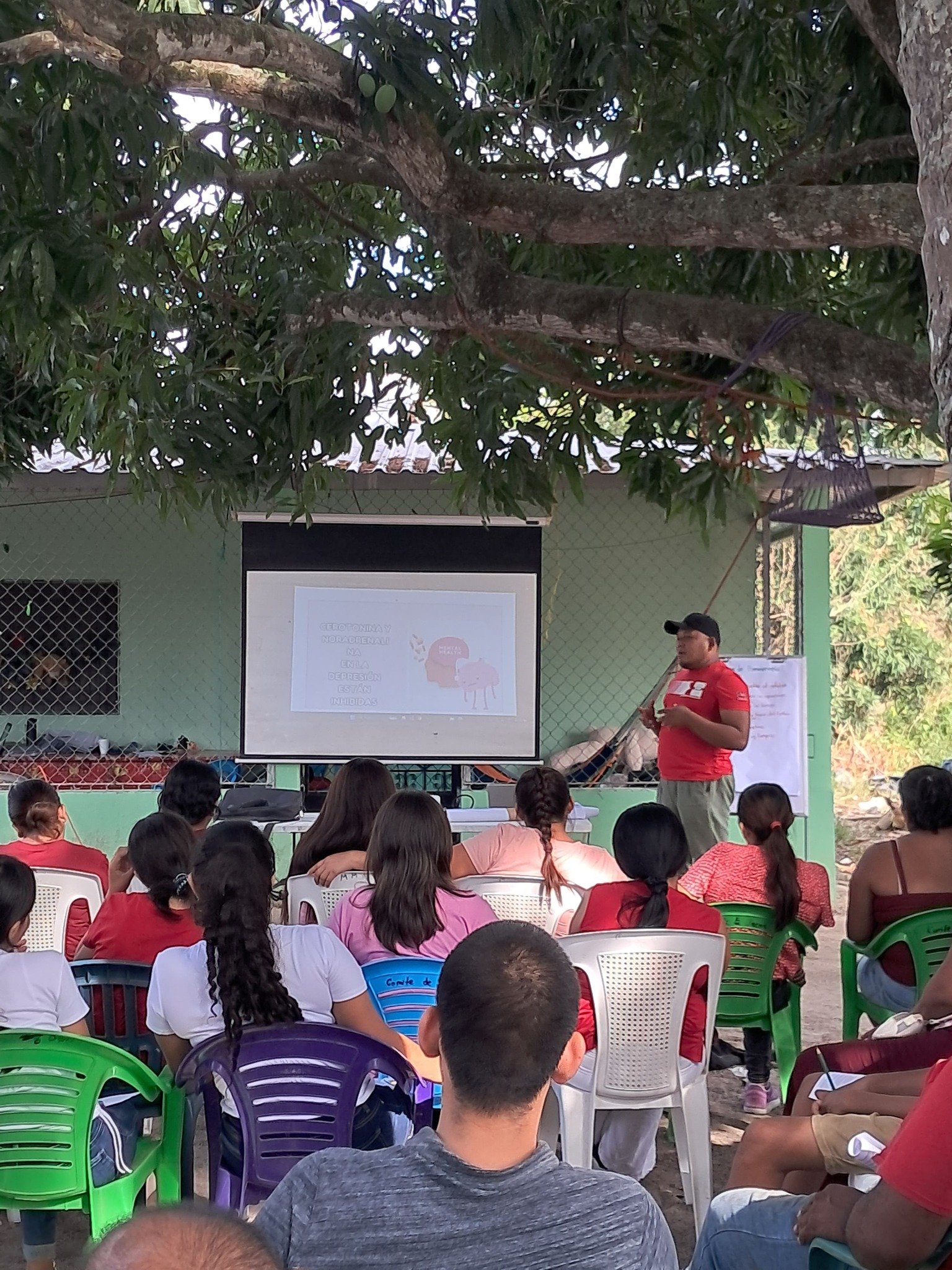
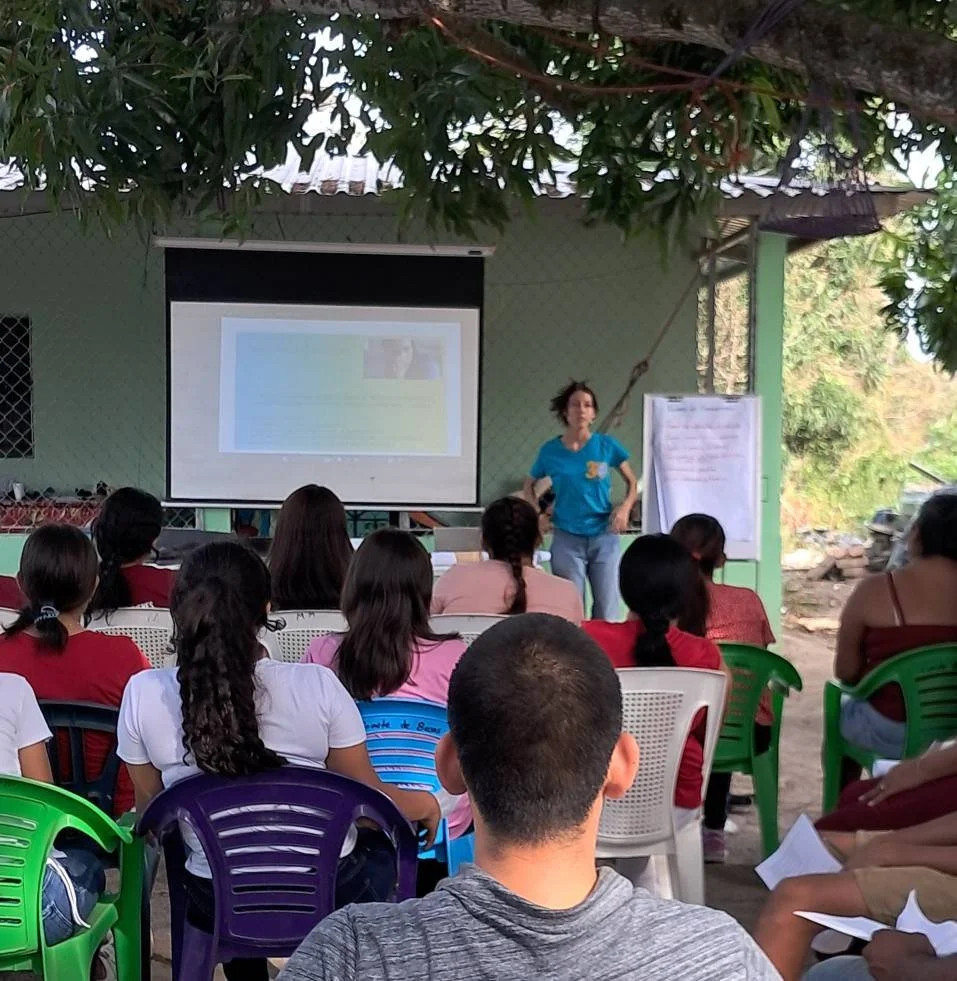
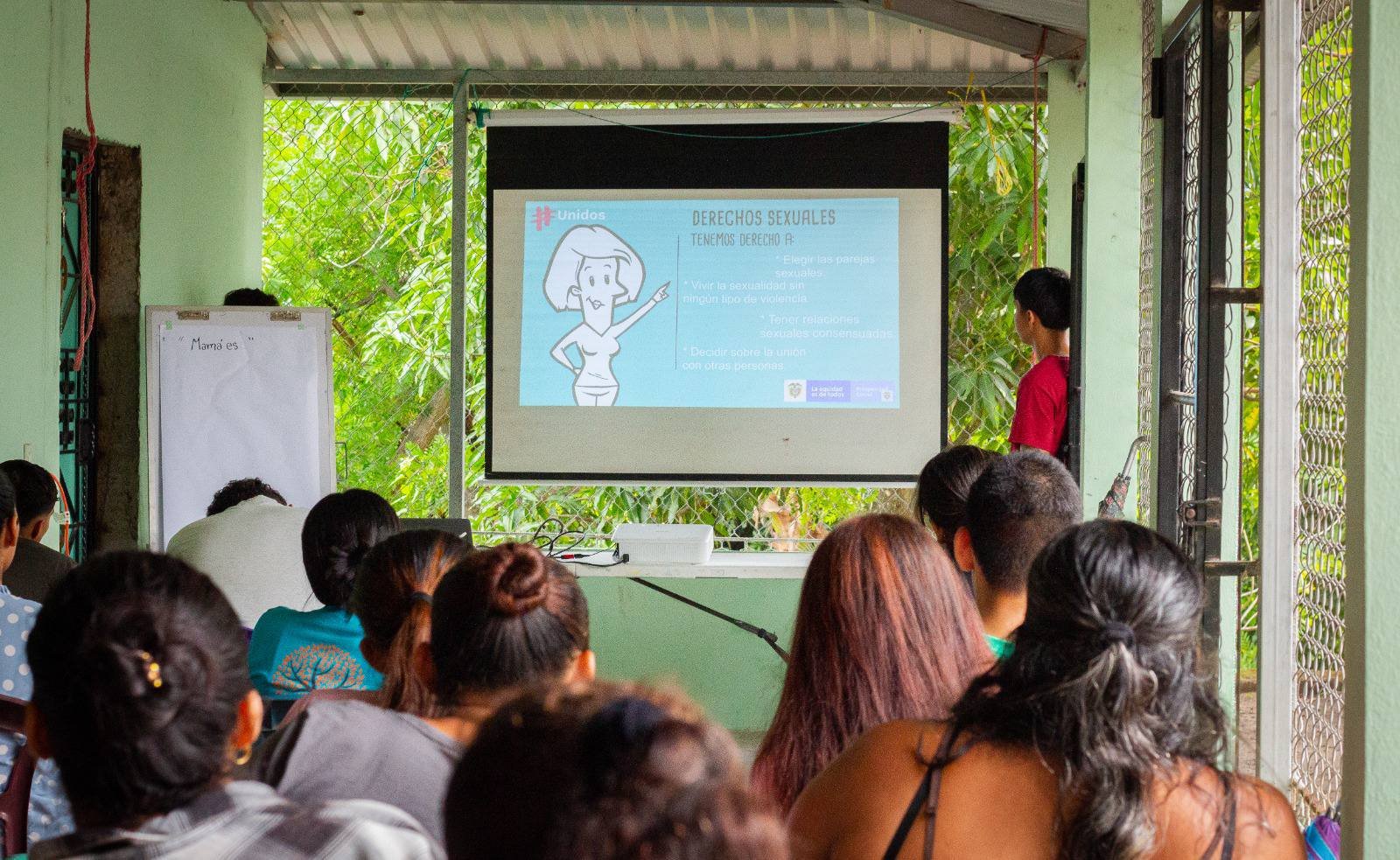
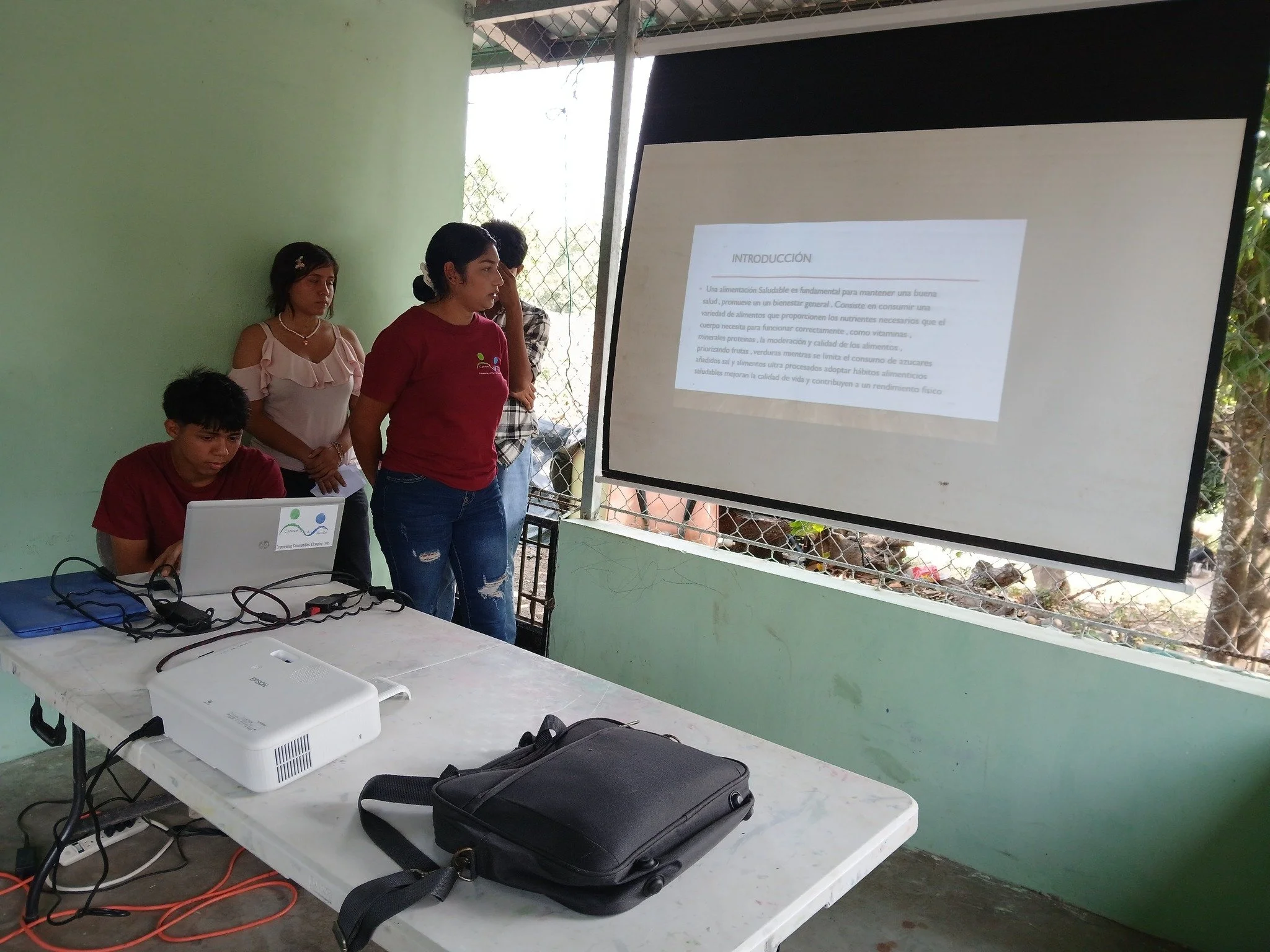
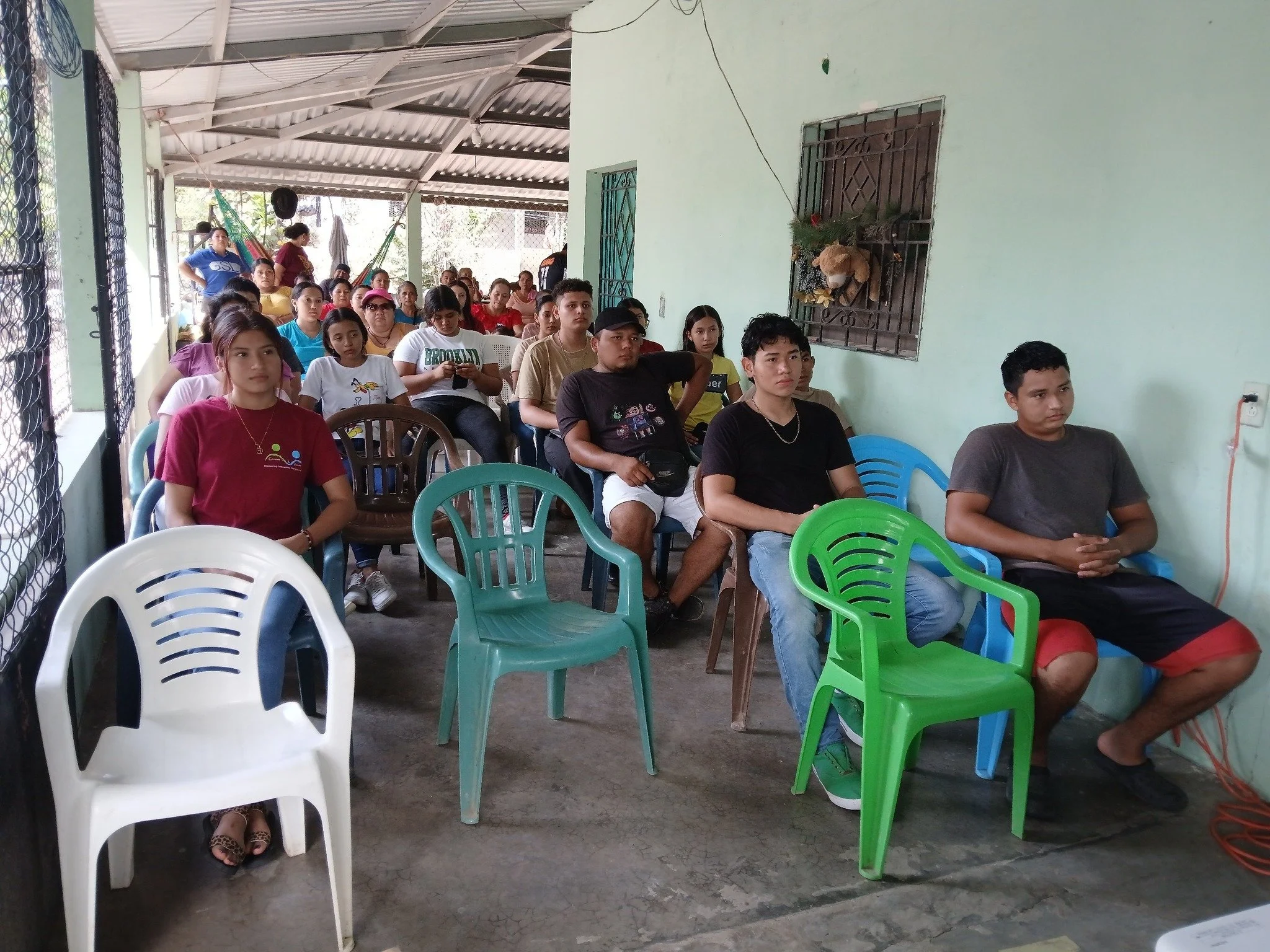
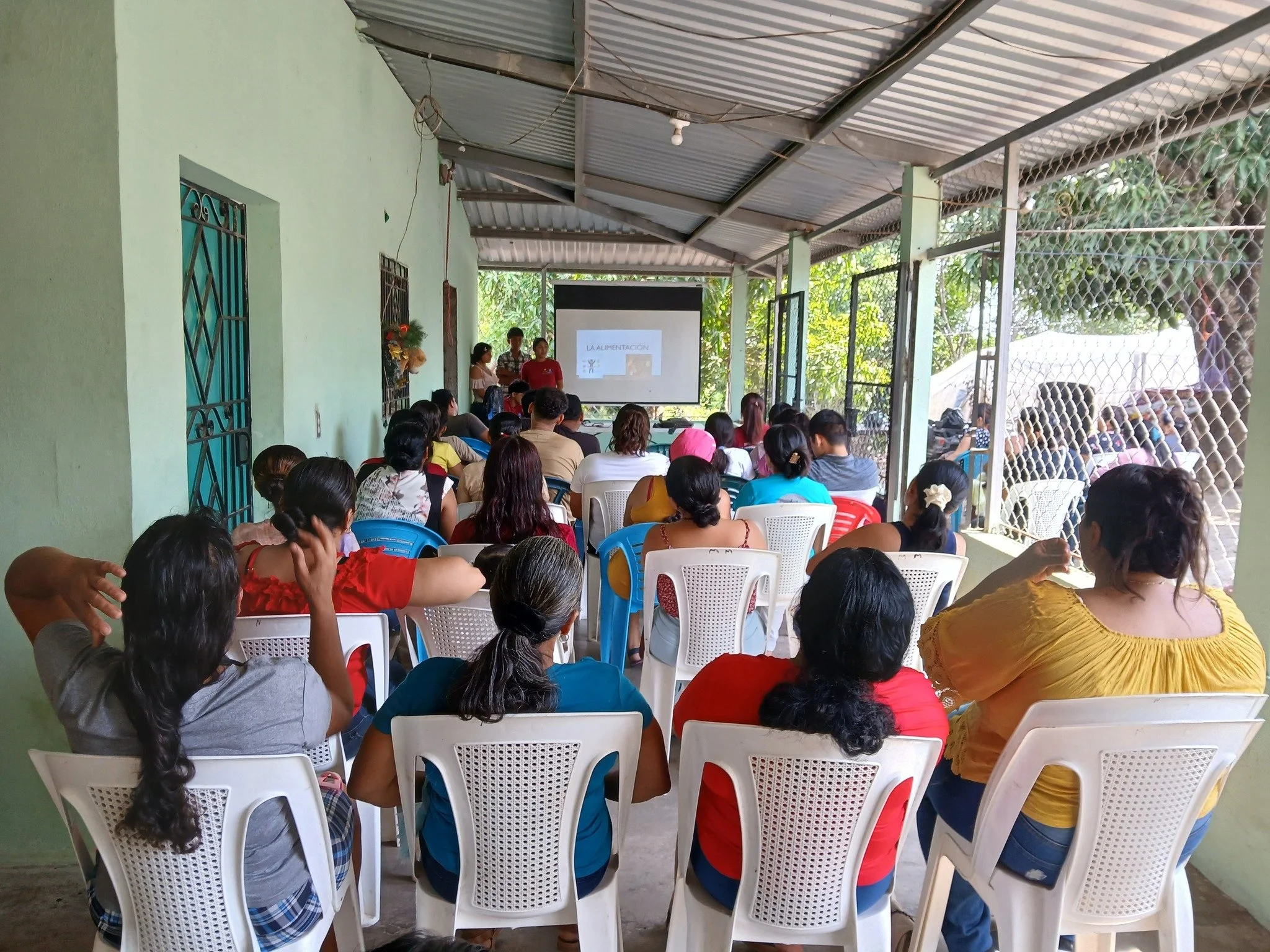
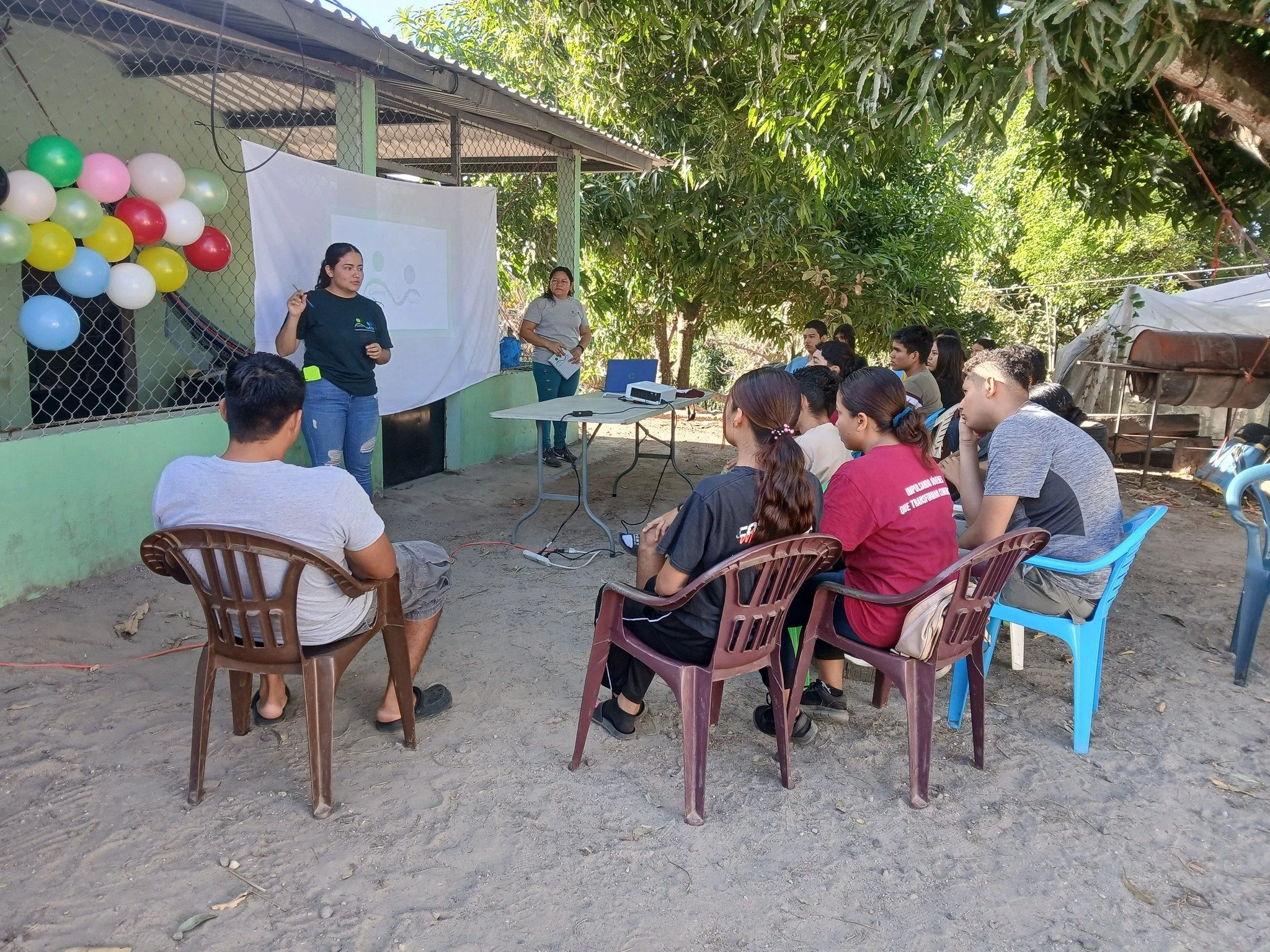
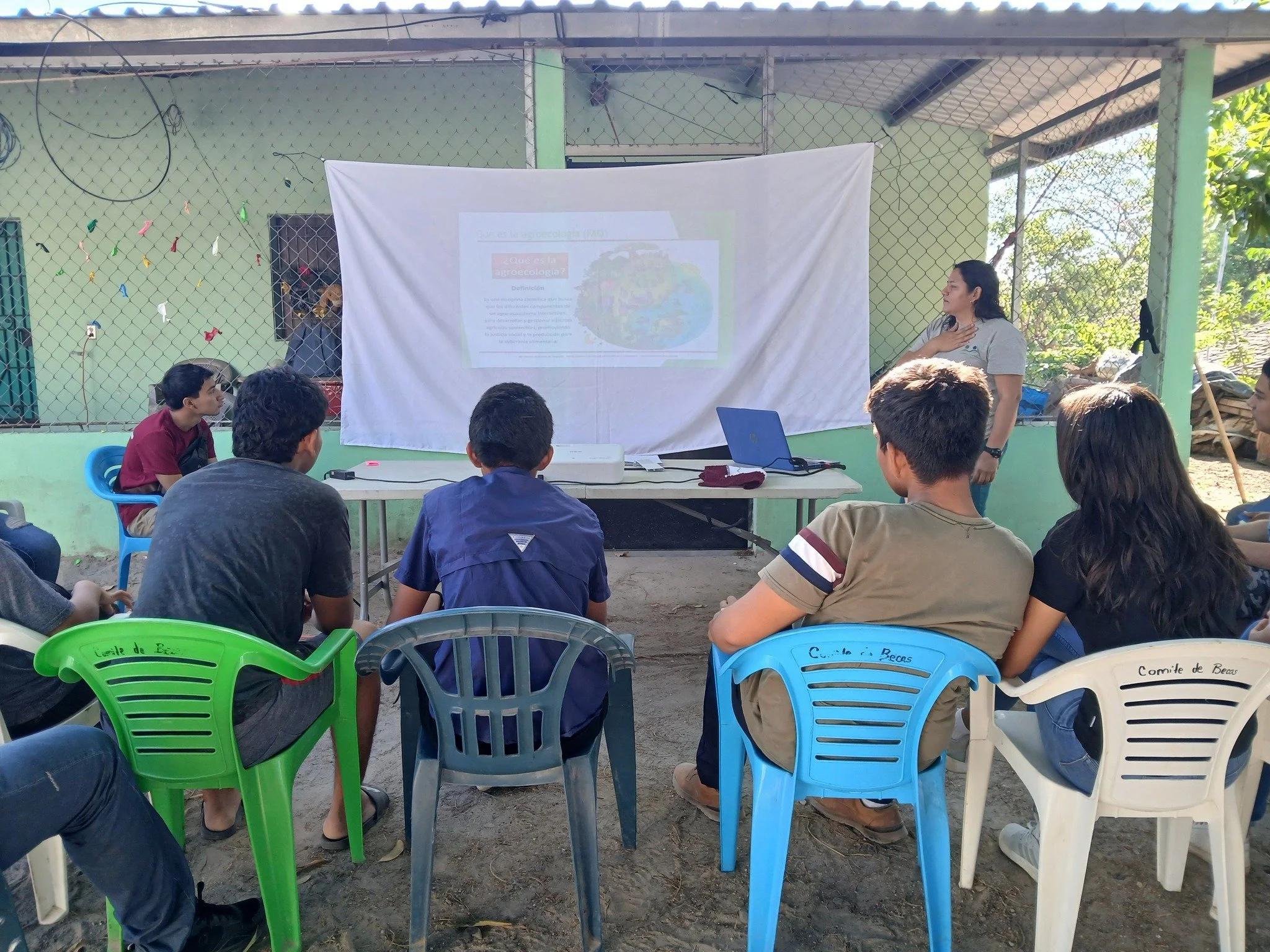
As a requirement of participation in the scholarship program, students are required to present a workshop topic for which all students can benefit from. This year, we installed a new method for teaching these workshops by partnering a university student with two high school students with the topics being relevant to their areas of study. We were fortunate enough to have the cooperation of the canton of San Jeronimo which hosted the workshops for 2025 due to their ability to accommodate the large group.
2025 Workshop Topics:
Family Budget - Business Management student, Noel Santos, ran a workshop with the help of Daniel and Alejandra dedicated to how to create and implement a budget for the entire family.
Depressive Disorders and Anxiety - Presenters Rosa Milena and Juan Carlos Hernandez, both students in the health care field, shared the characteristics of these disorders, their possible cures and consequences, and how to manage symptoms.
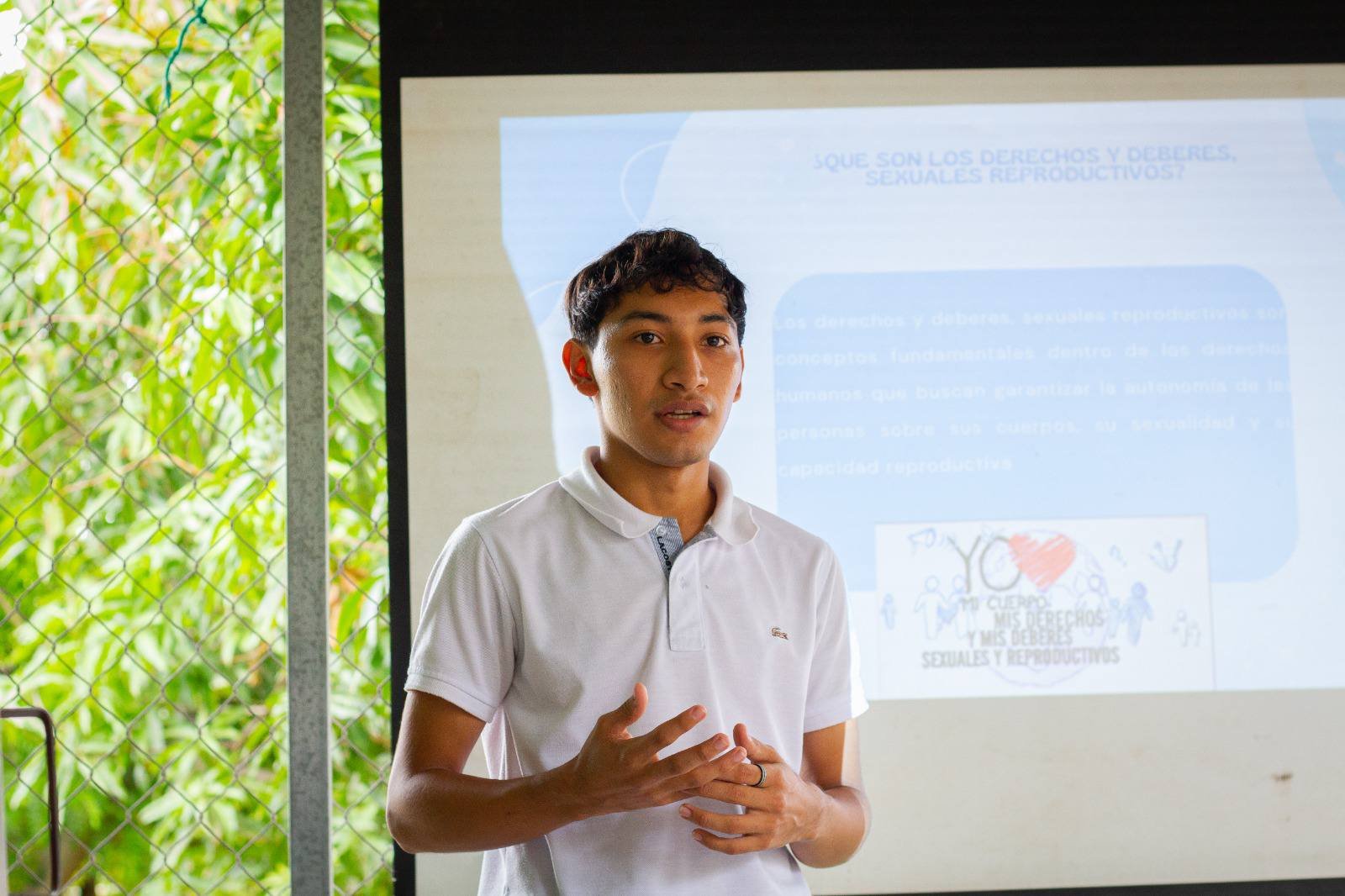
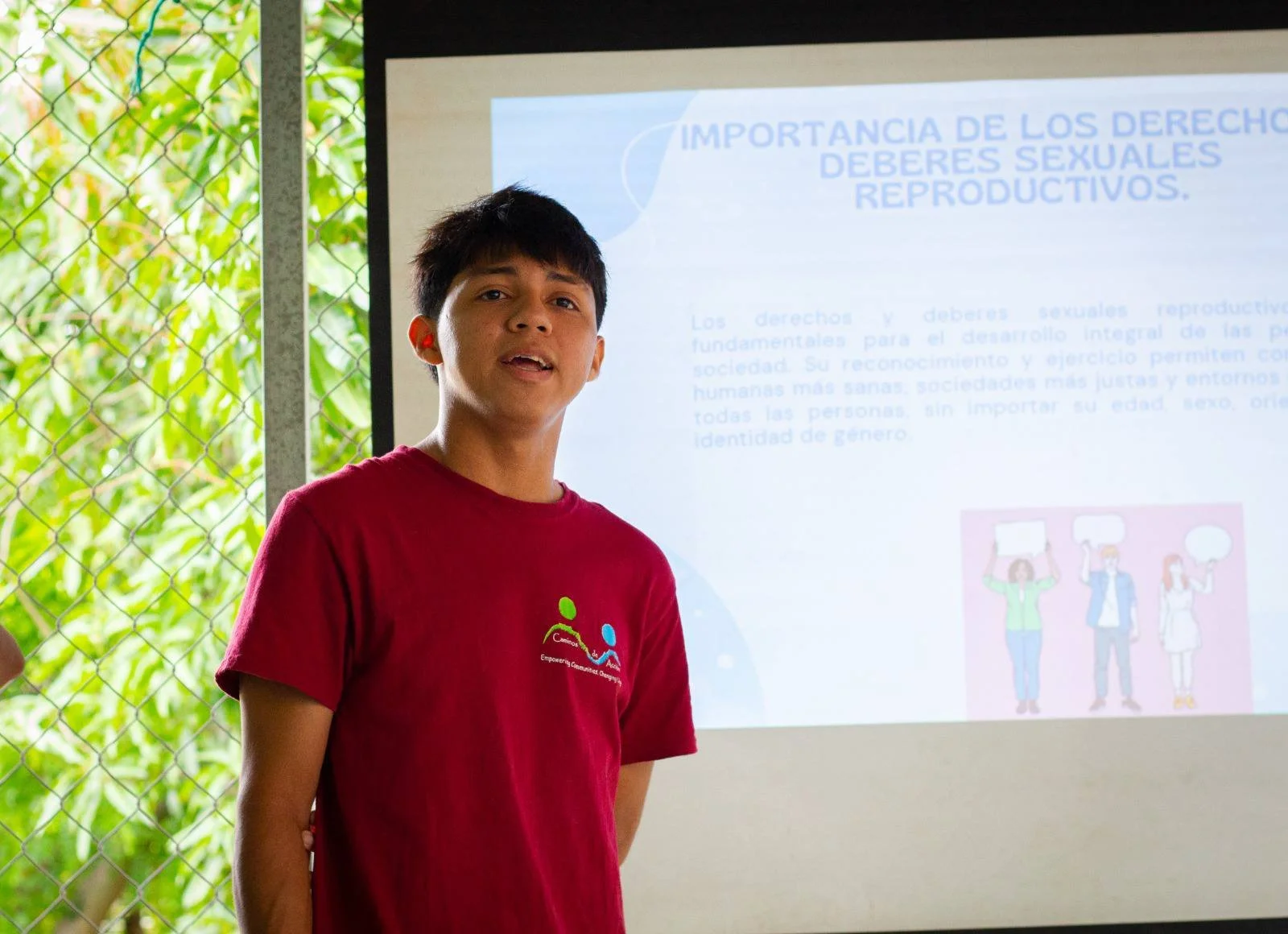
Sexual and Reproductive Rights - Ran by nursing students, Brayan and Eduardo, the content of the presentation detailed all the rights that pertain to this area as well as each individual’s obligations towards their own sexual and reproductive health.
Good Diet - This workshop, ran by Stefany Hernandez, discussed knowing how to identify a good diet from a bad one and the consequences and benefits from each.
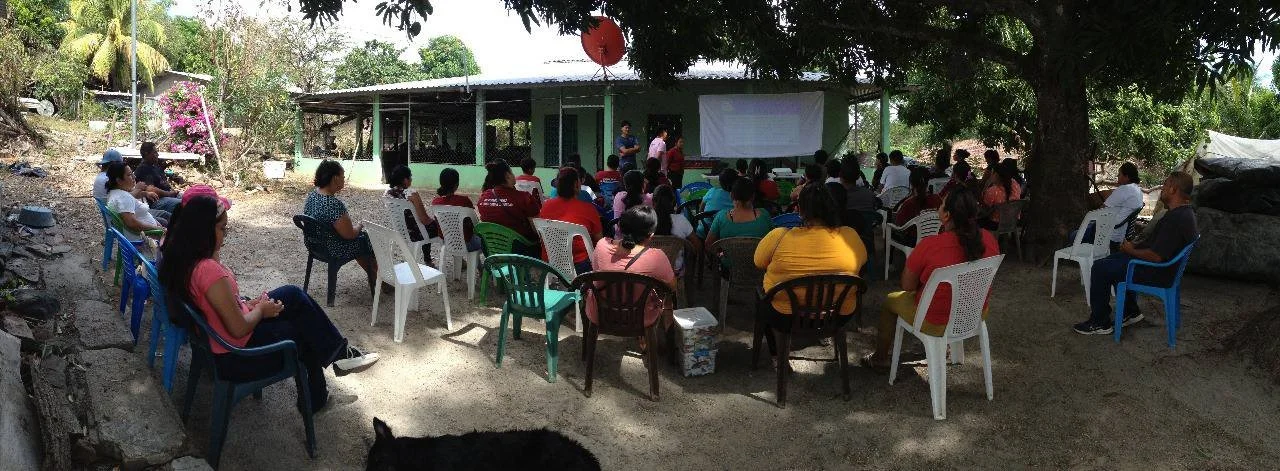
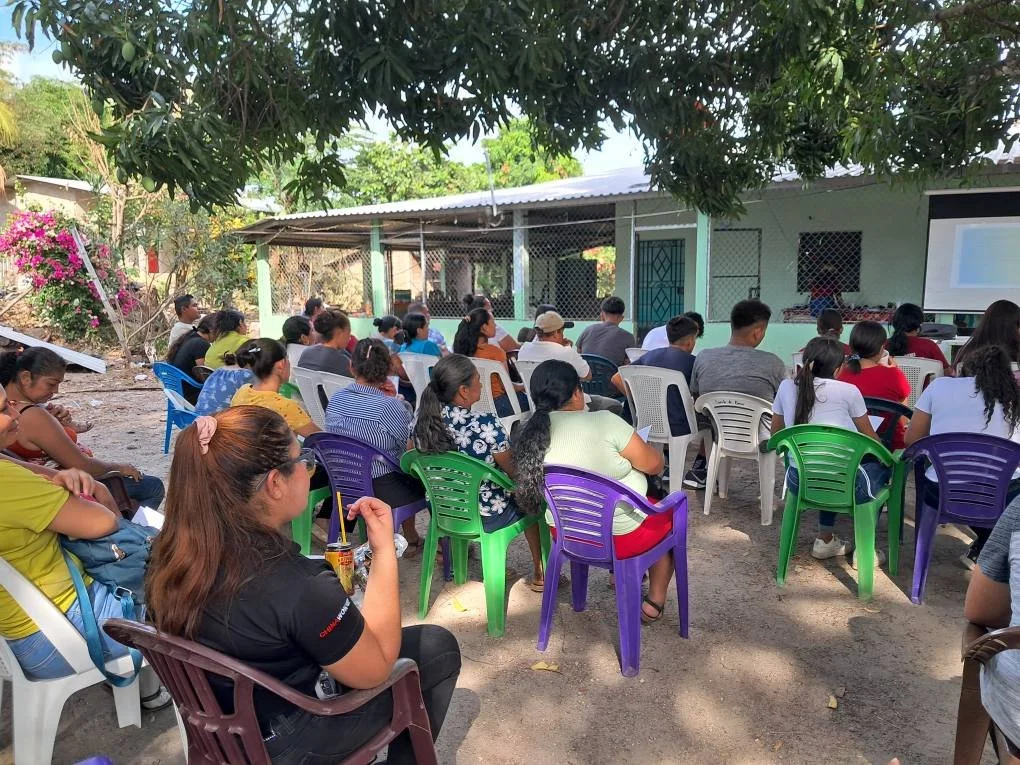
Community Diagnosis
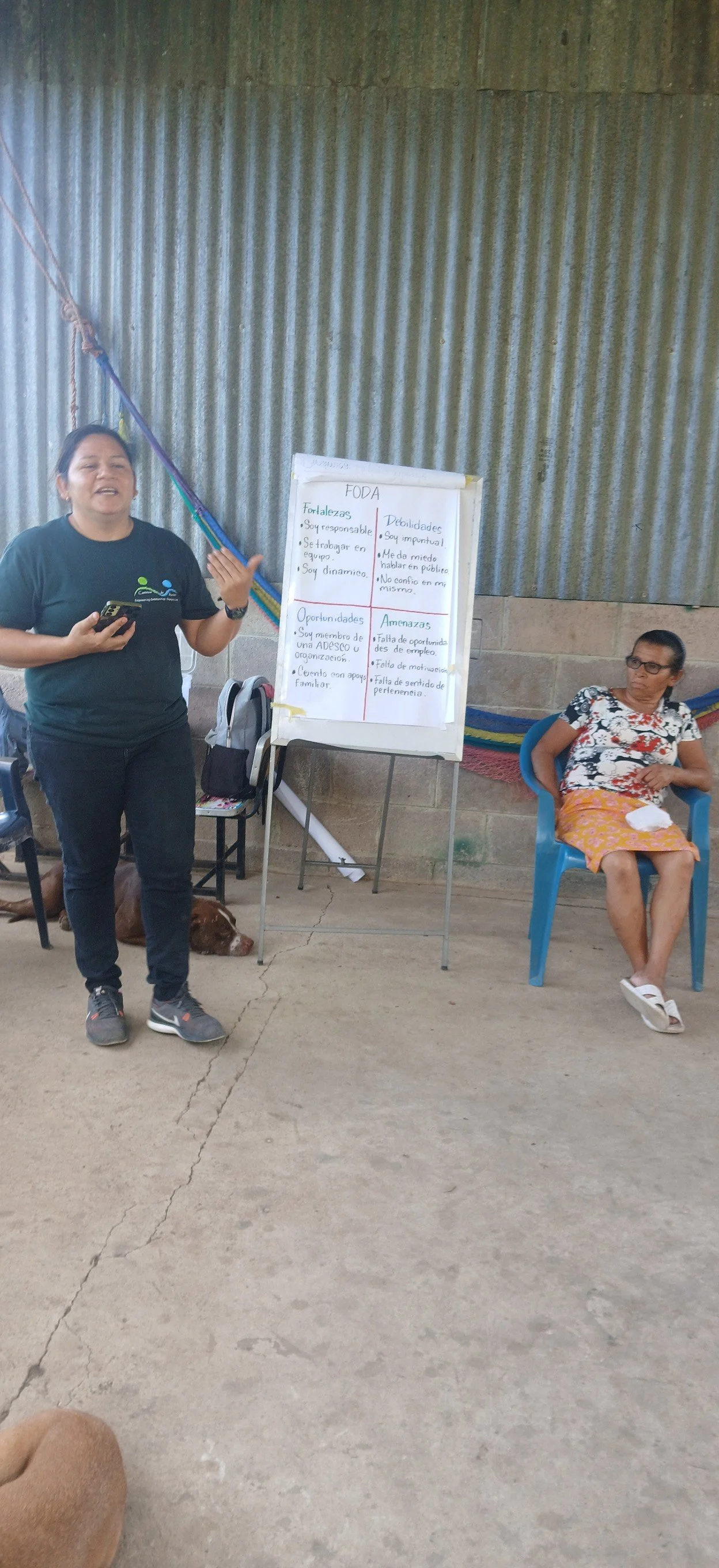
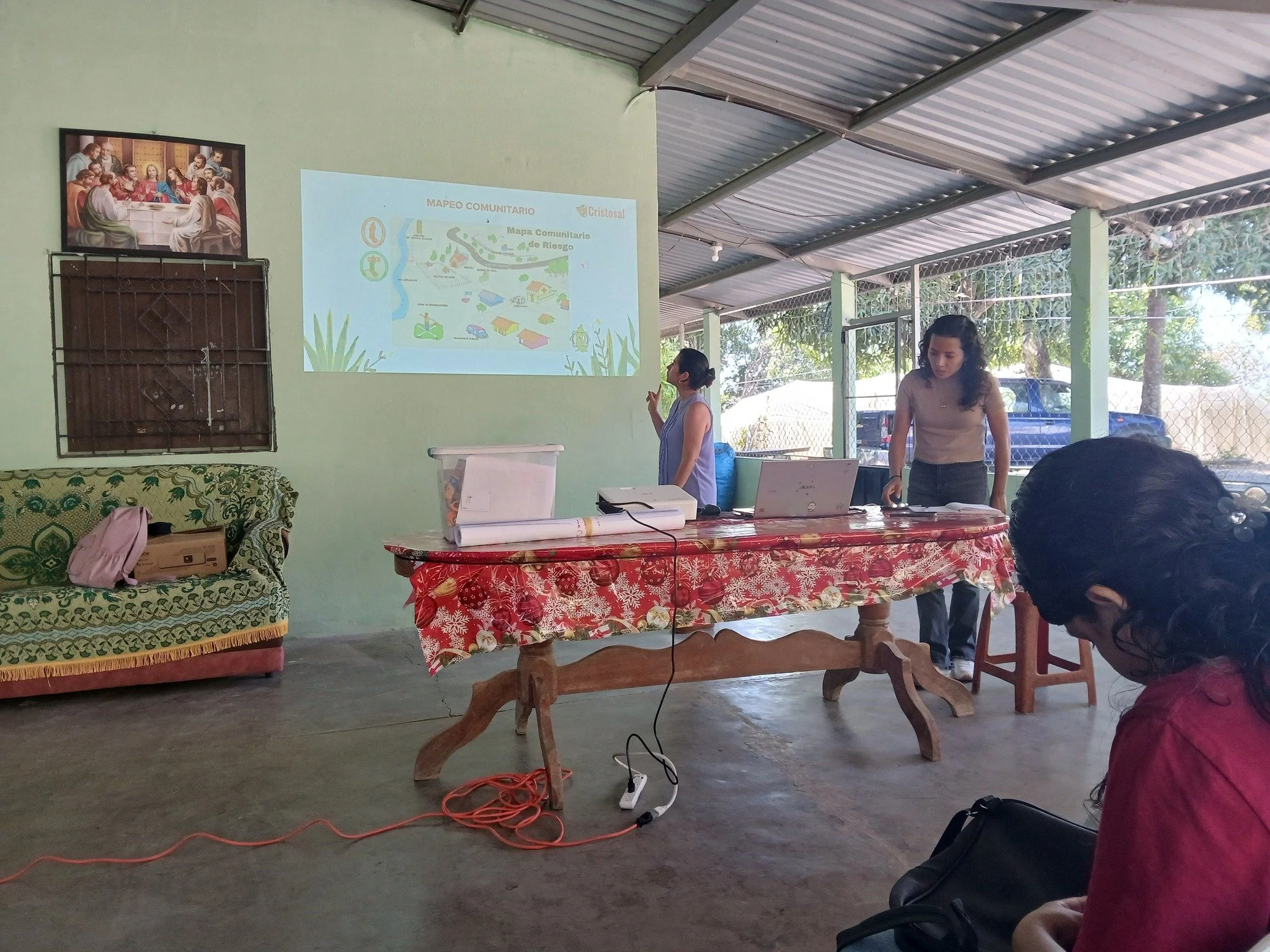
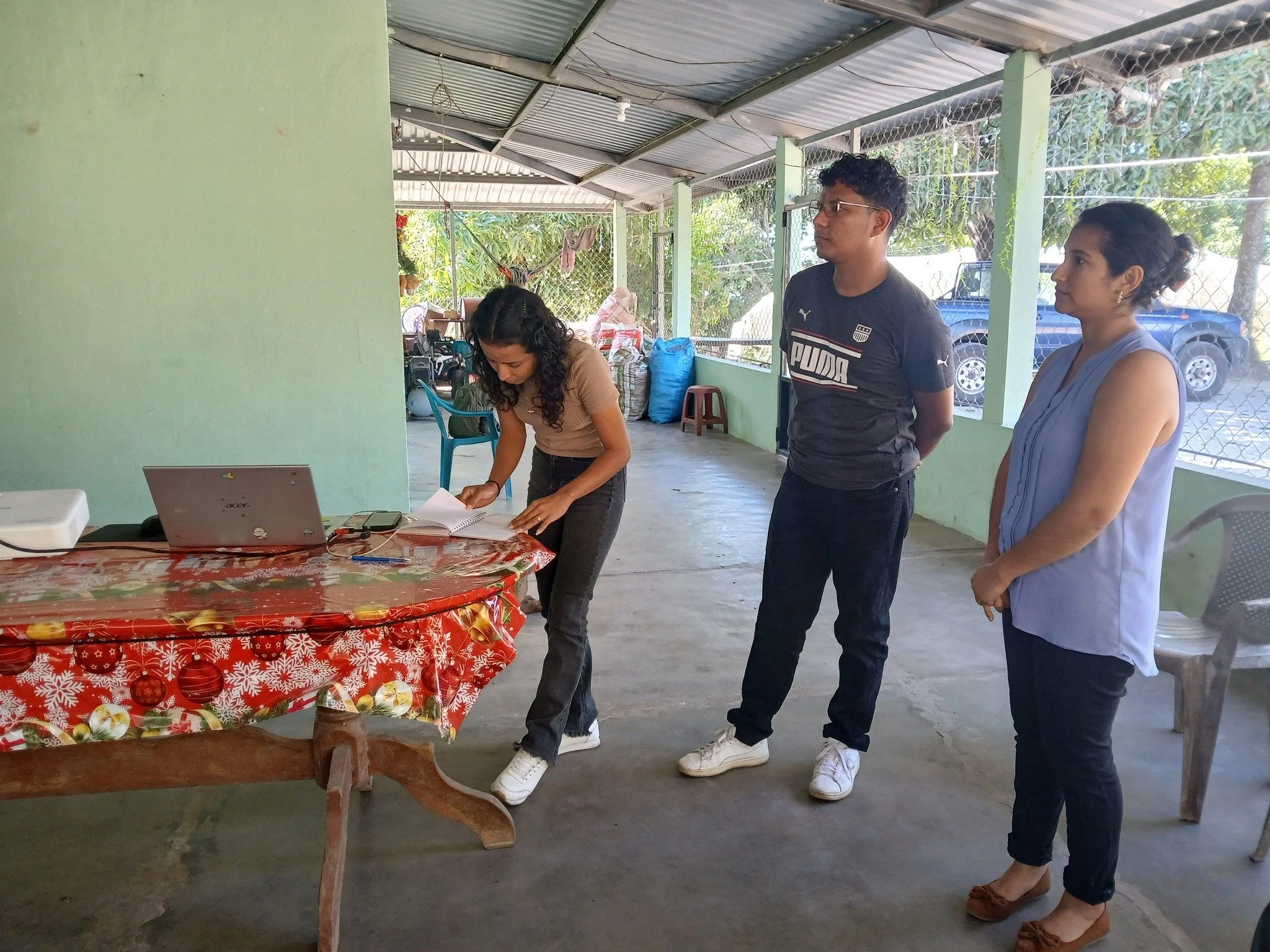
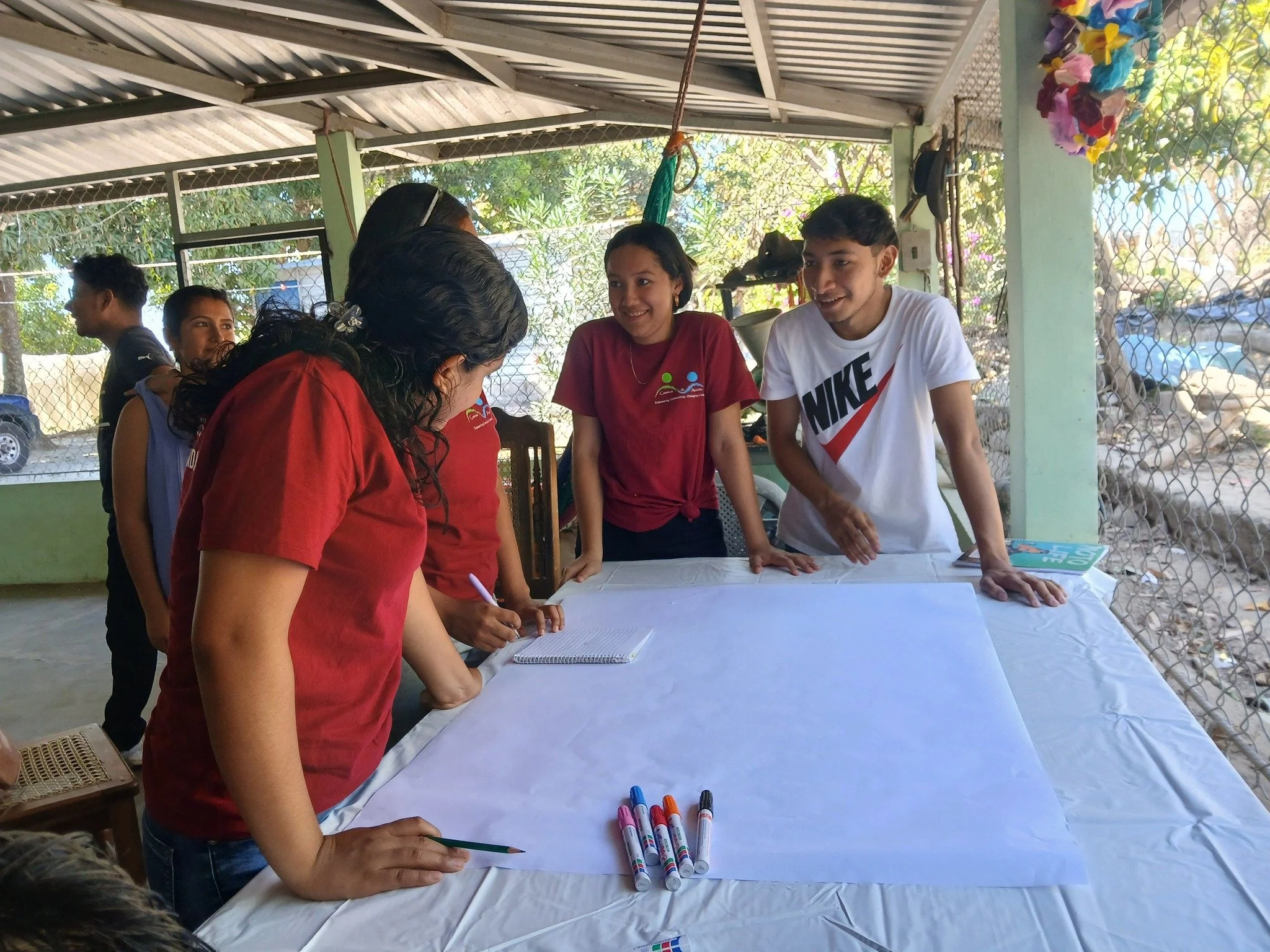
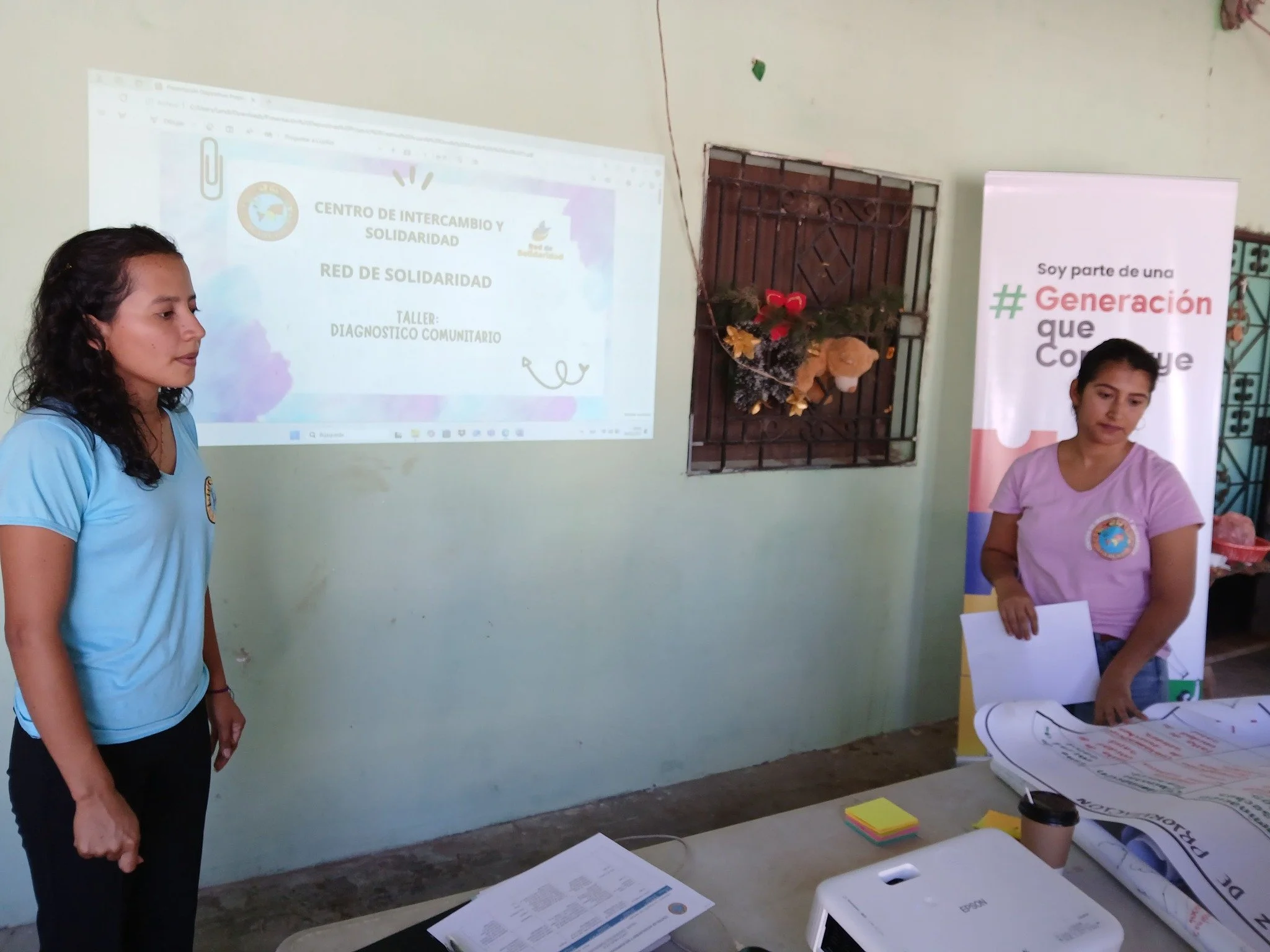
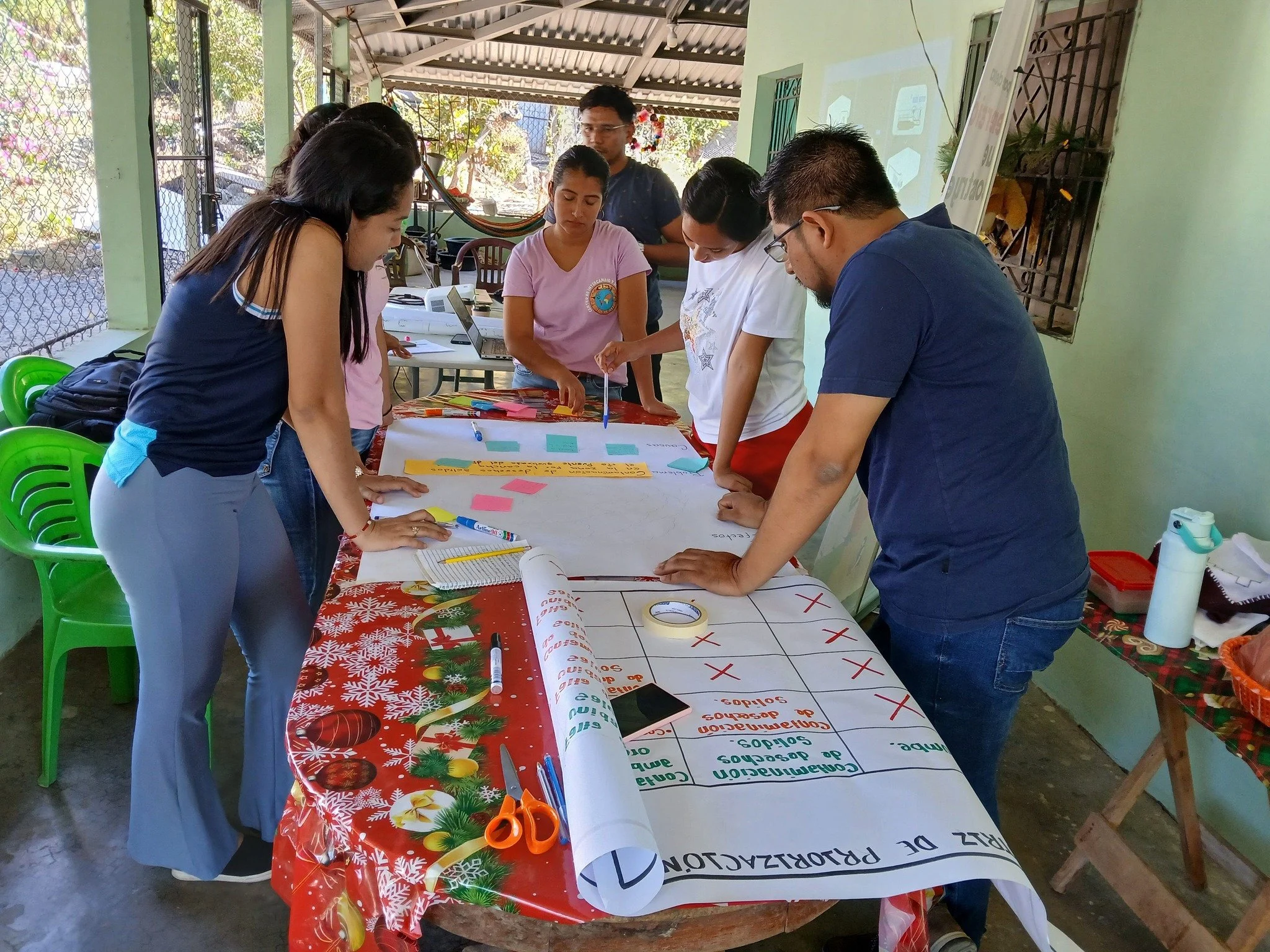
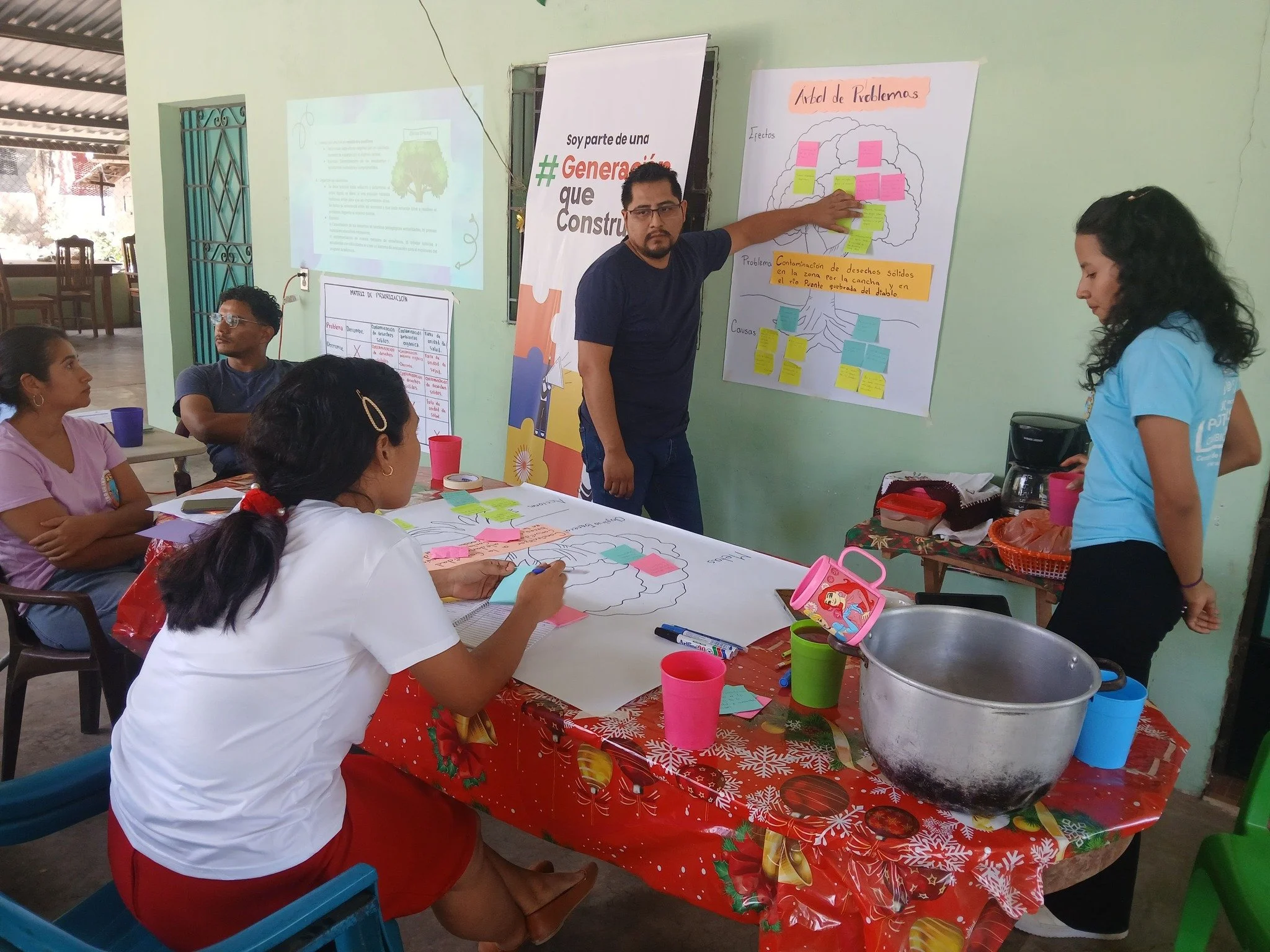
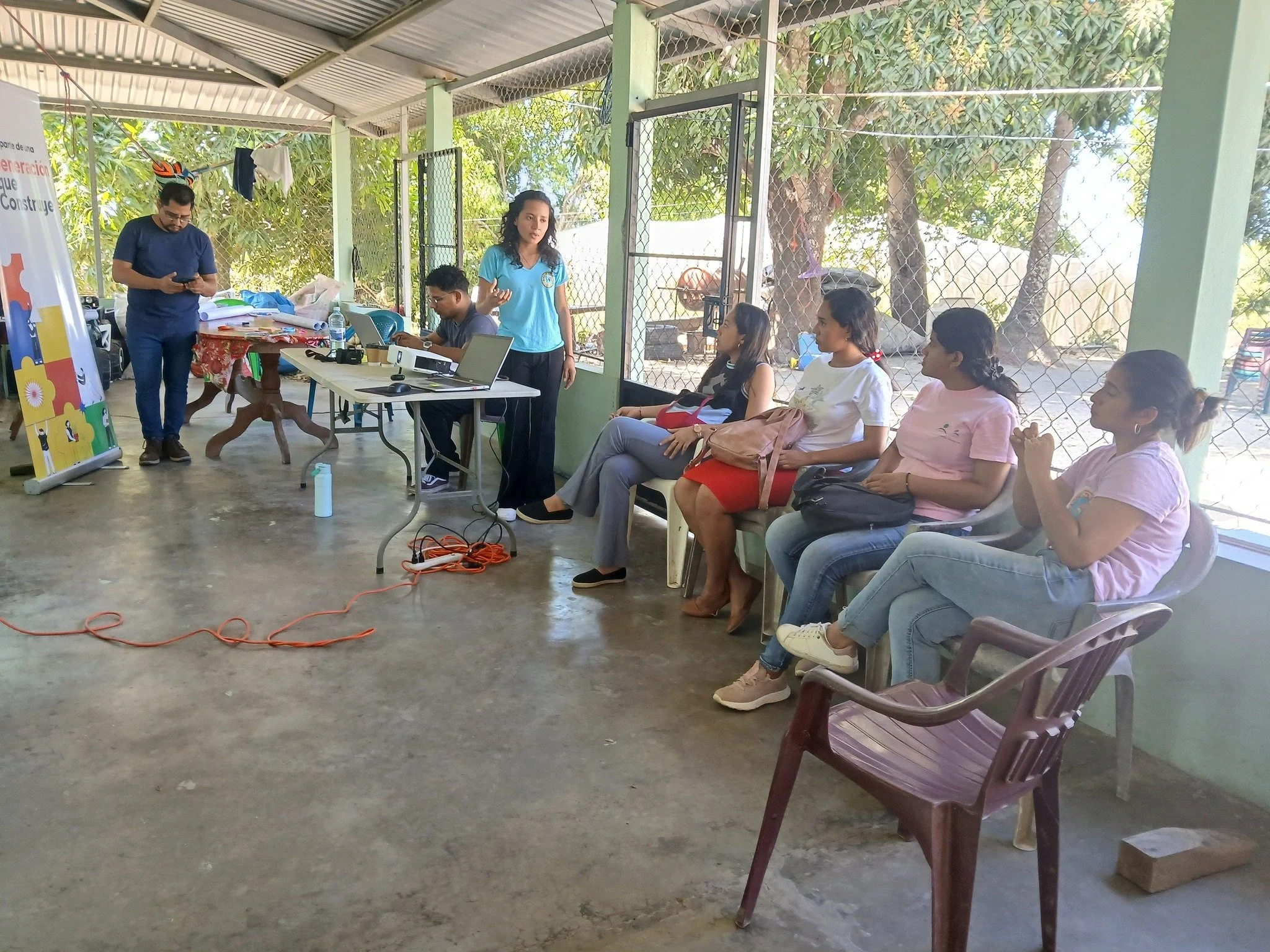
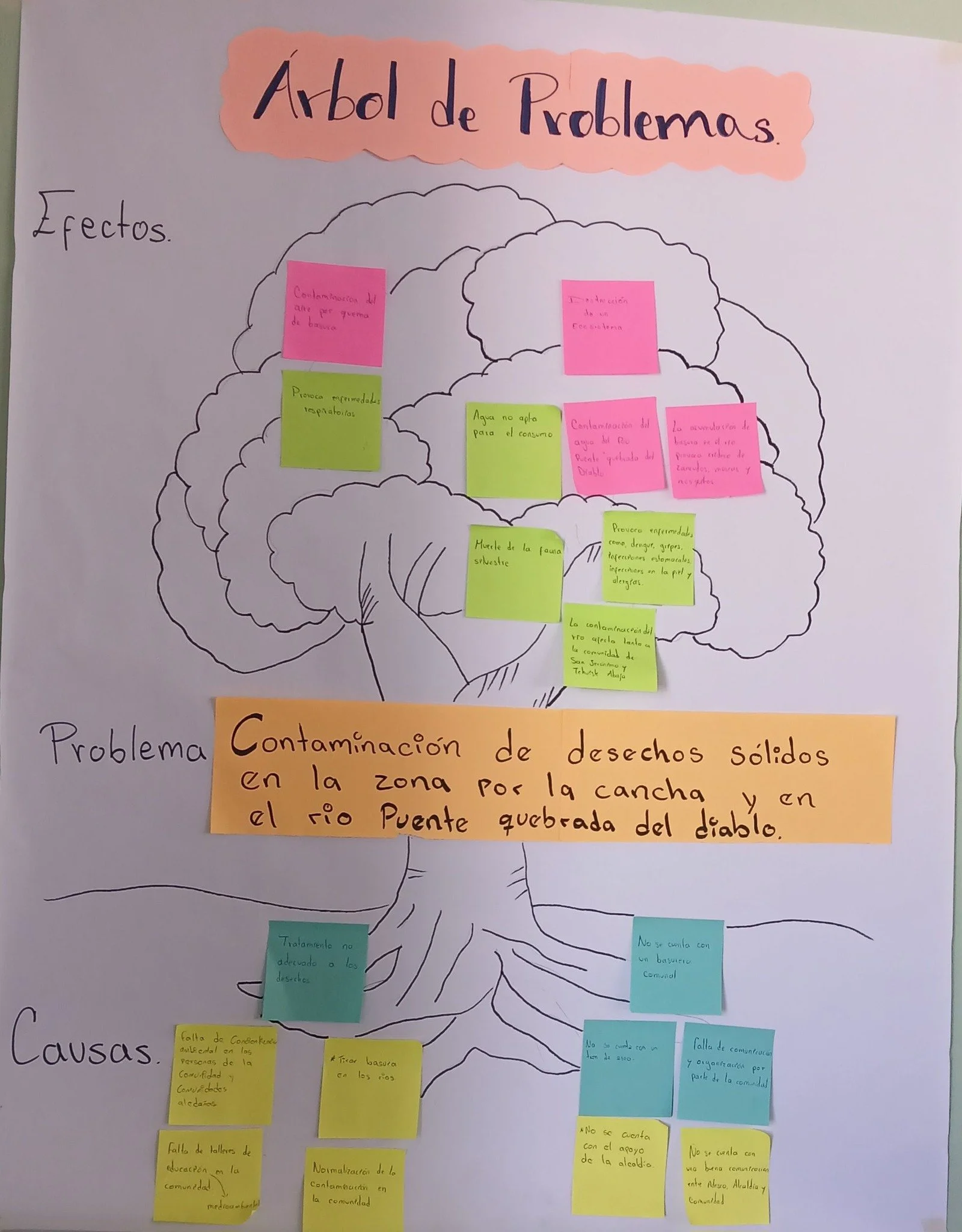
For additional leadership training, with the goal to empower young people in identifying problems within the community, delegations from Tasajera Island visited San Jeronimo to train a group of scholarship students in how to create a risk map and prioritize the most pressing needs. Throughout the year, multiple workshops were held in order to teach scholarship students how to recognize problems within their communities, how to resolve those problems, and how to teach others within their community to do the same.
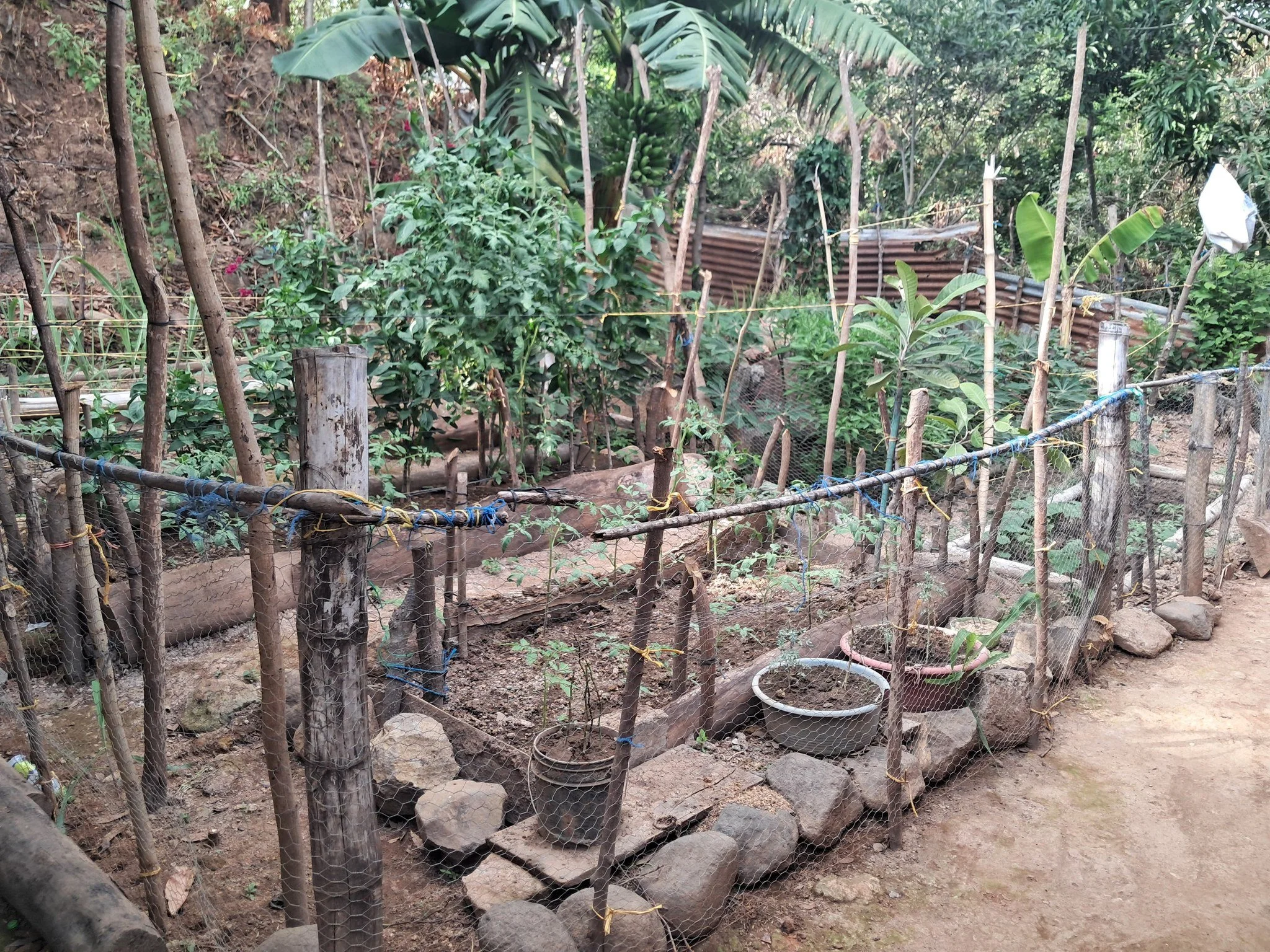
First Youth Agroecological Garden
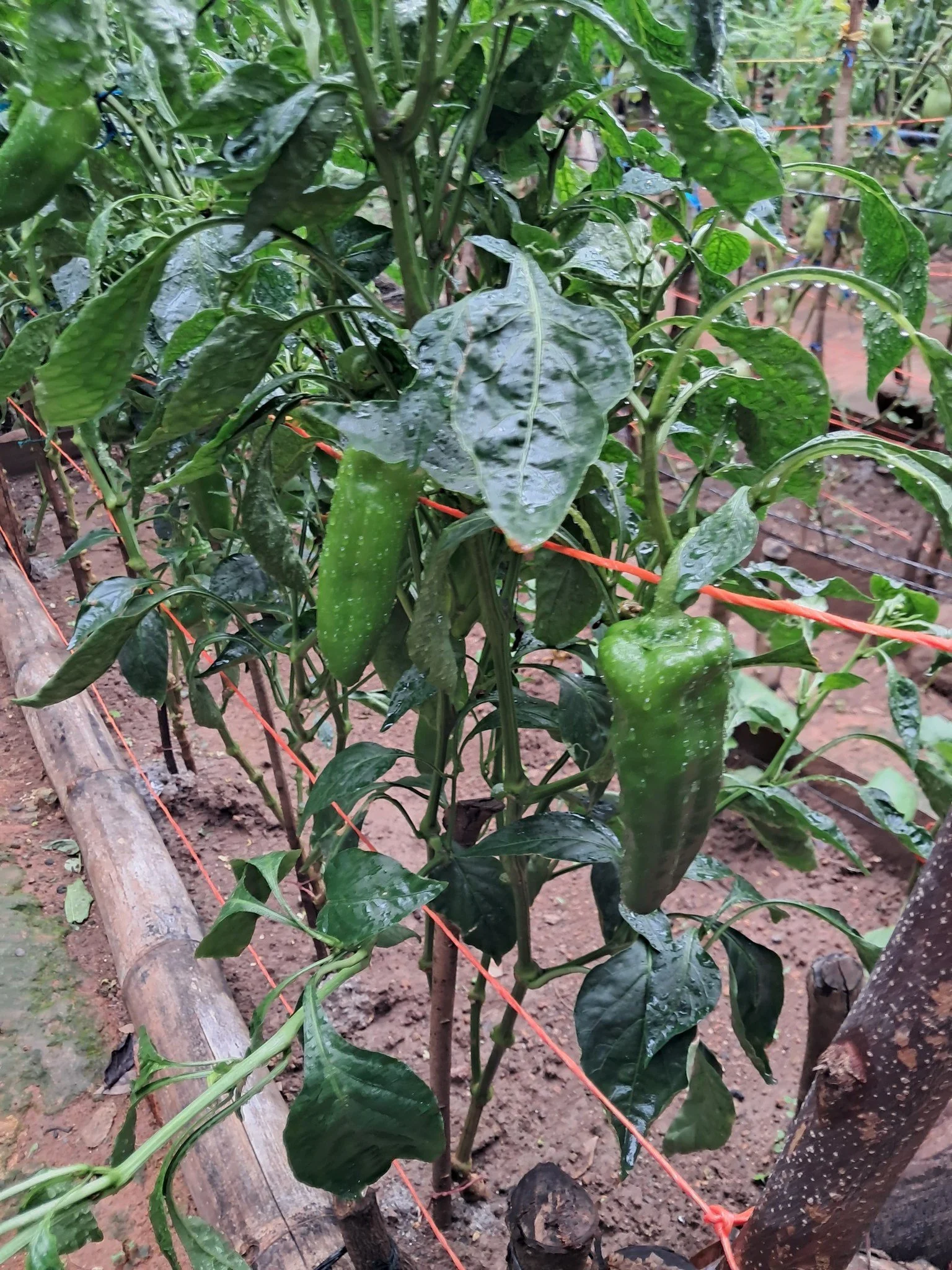
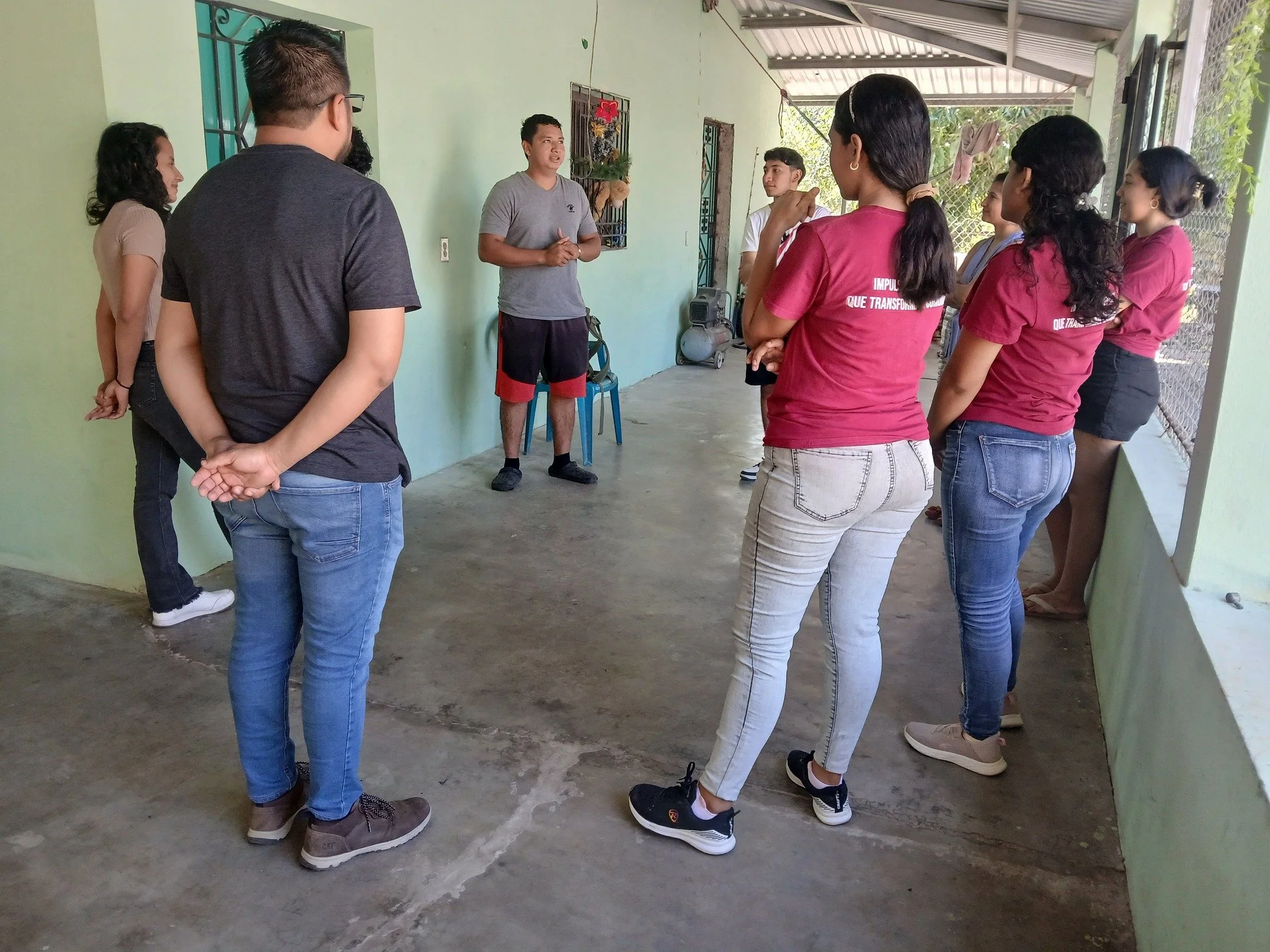
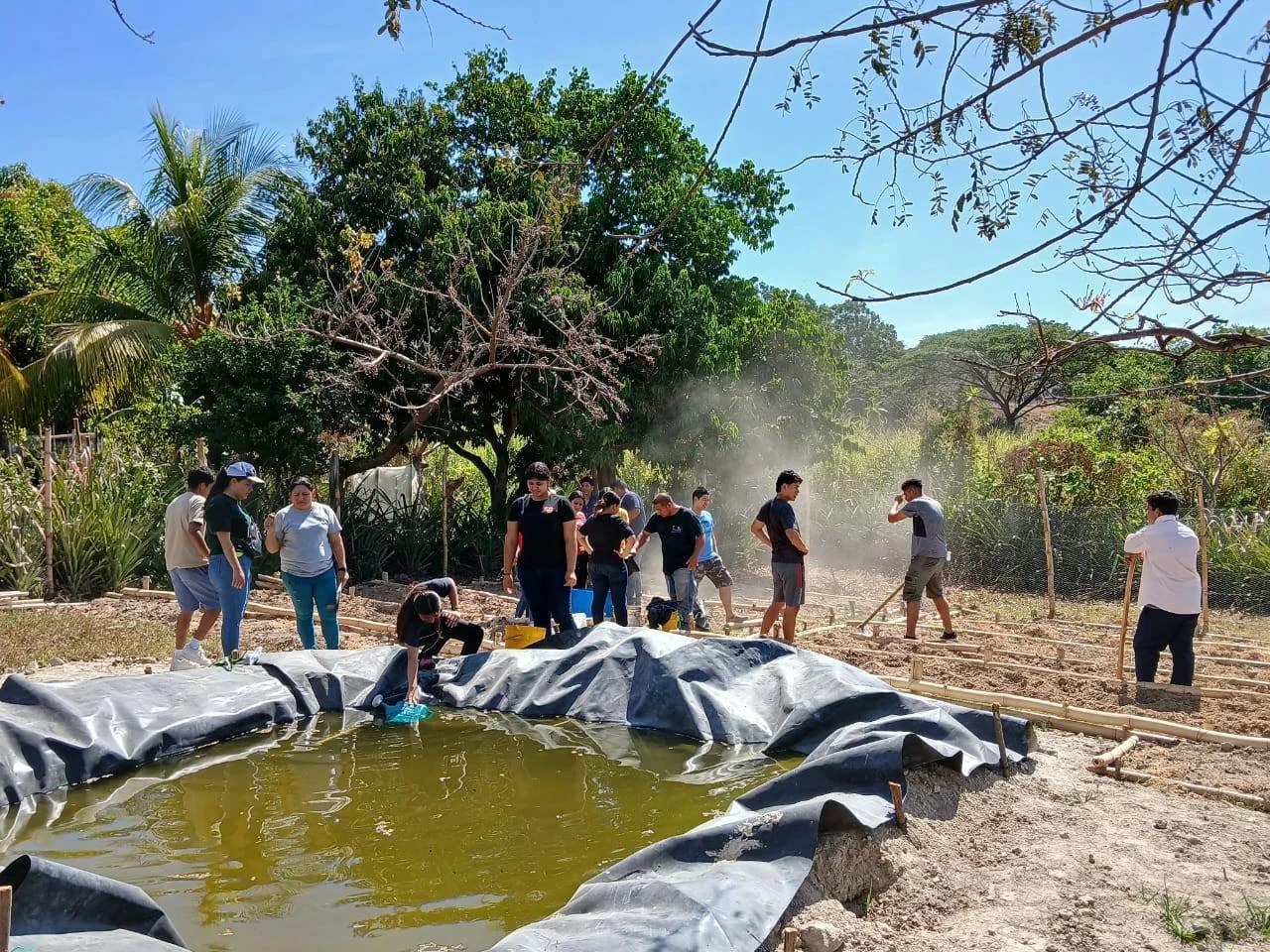
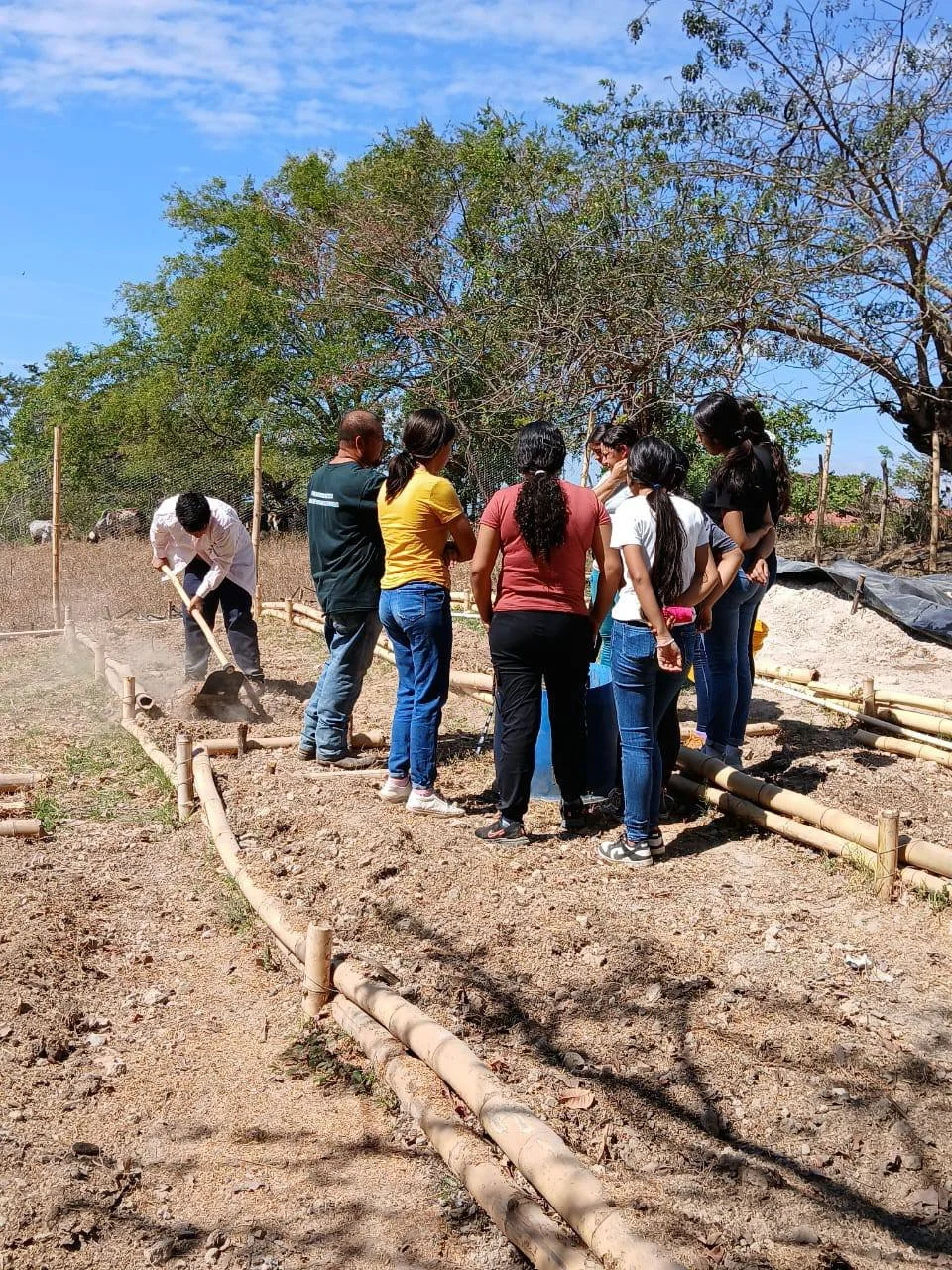
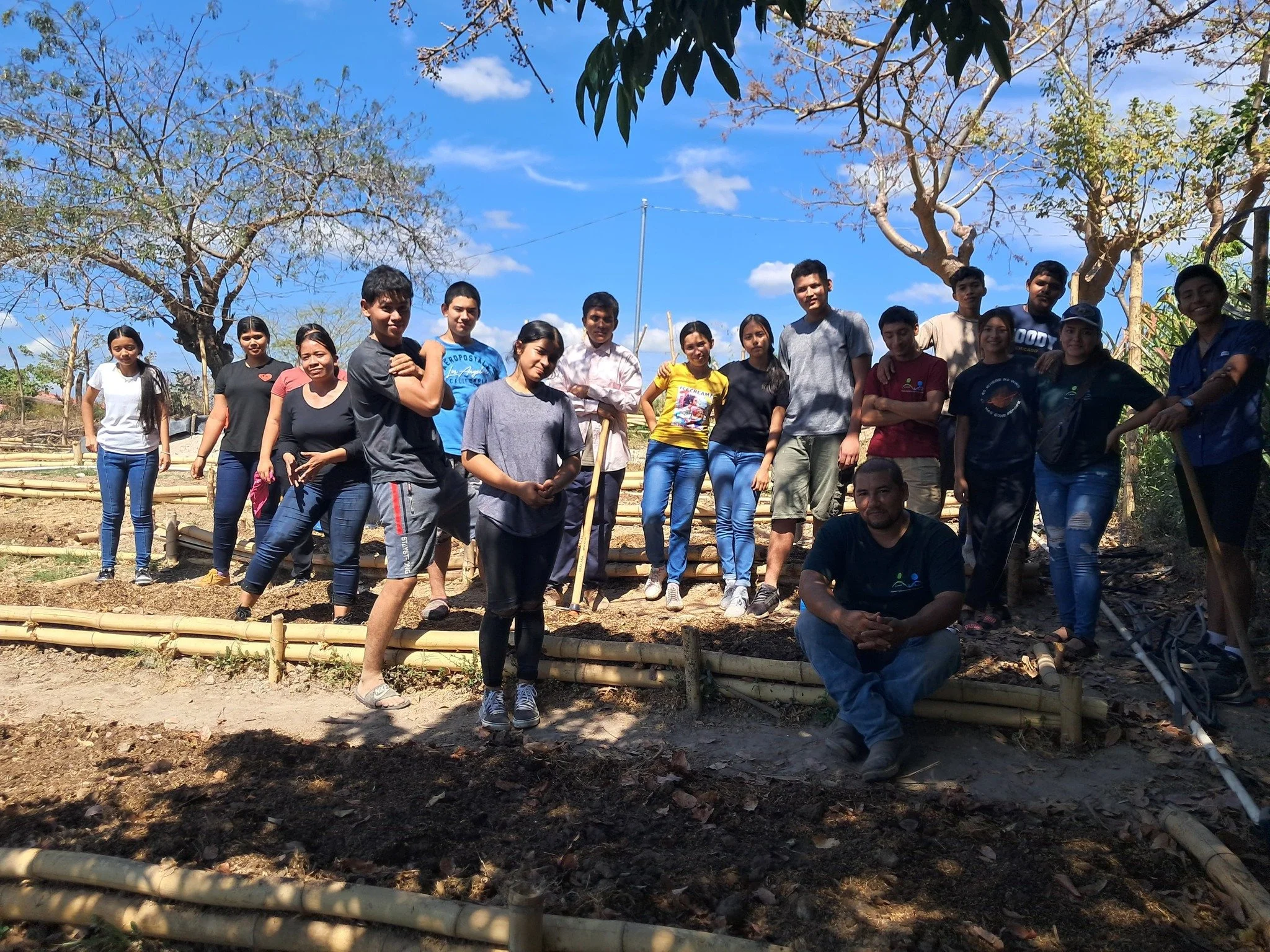
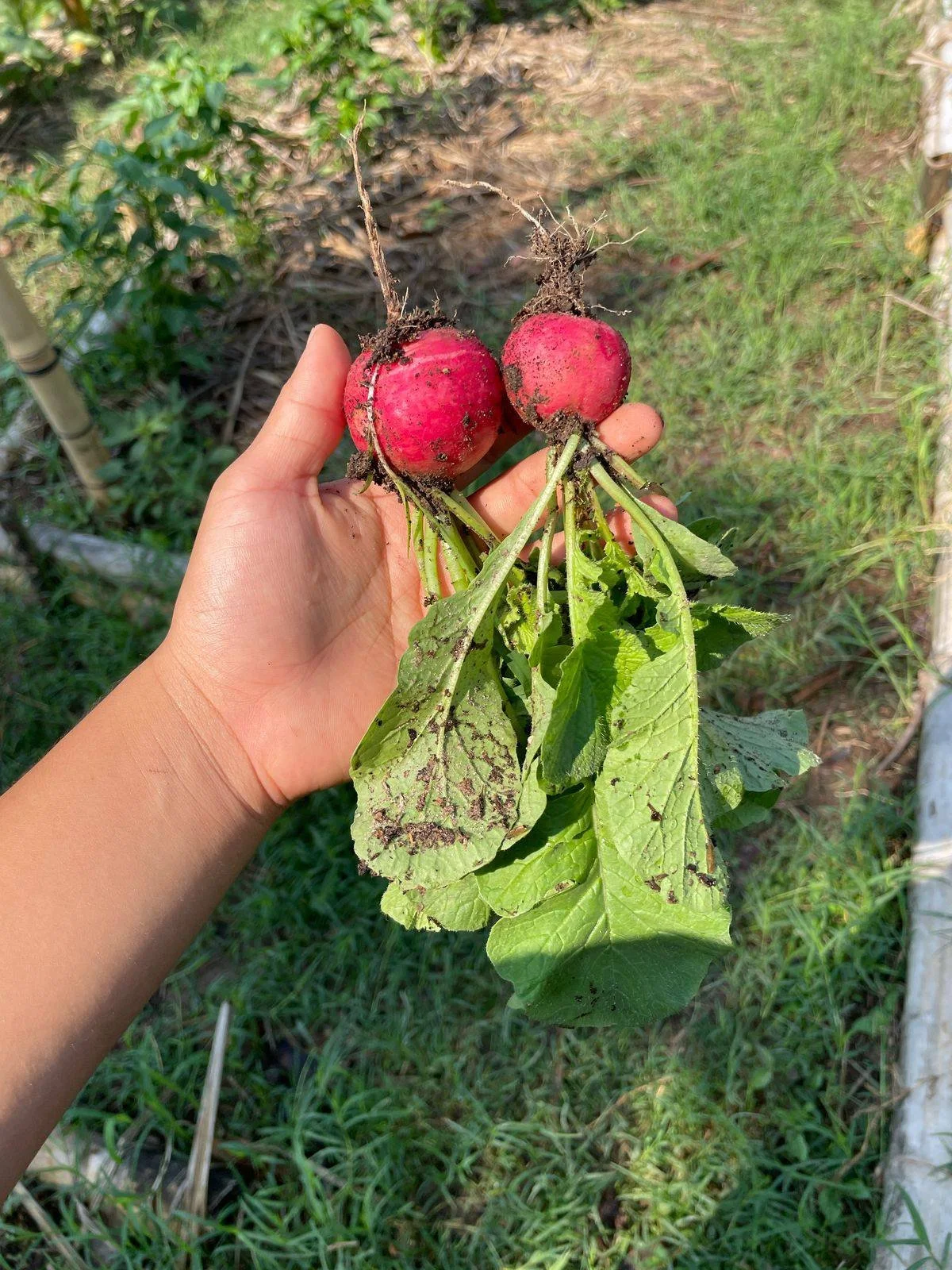
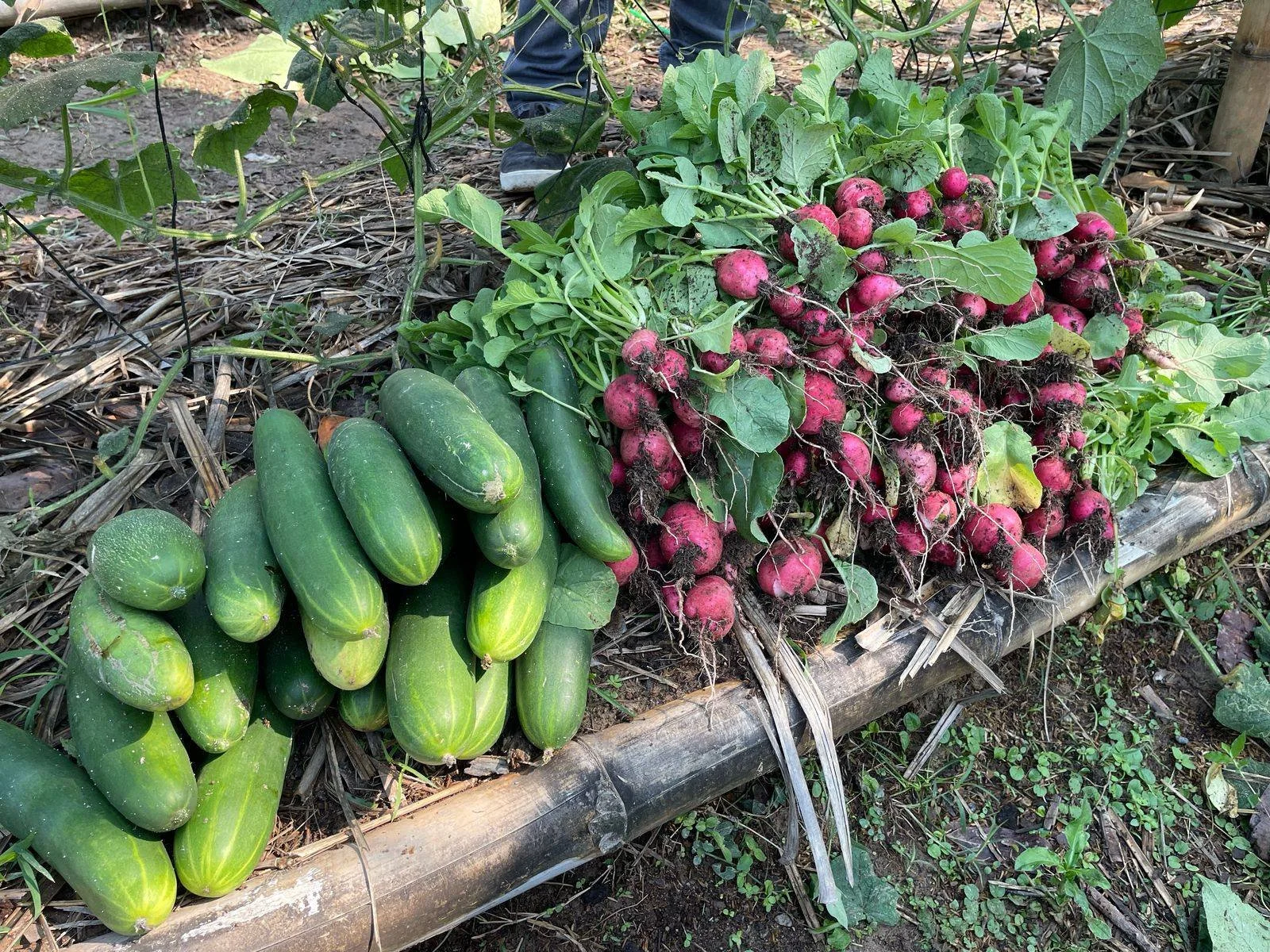
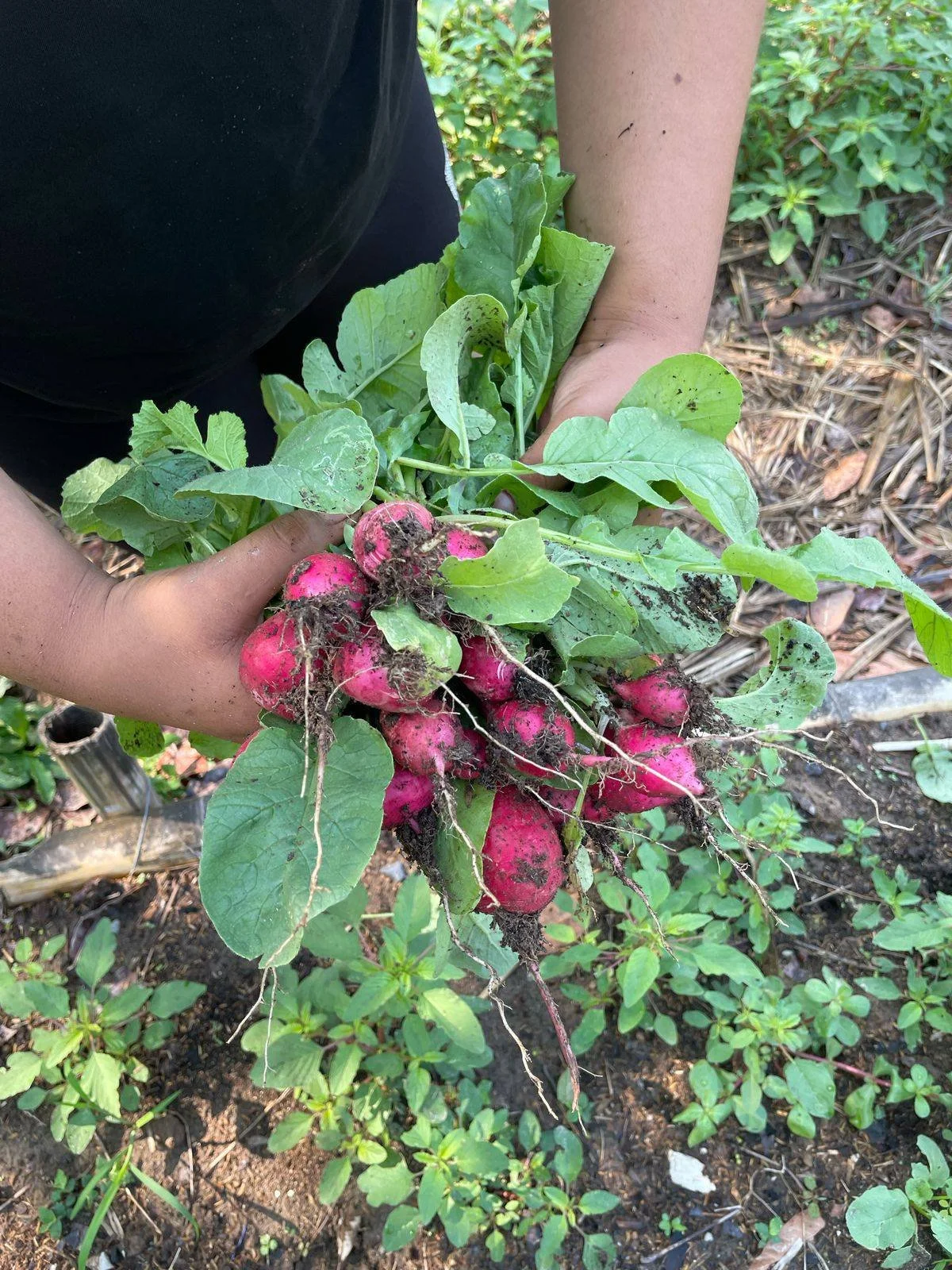
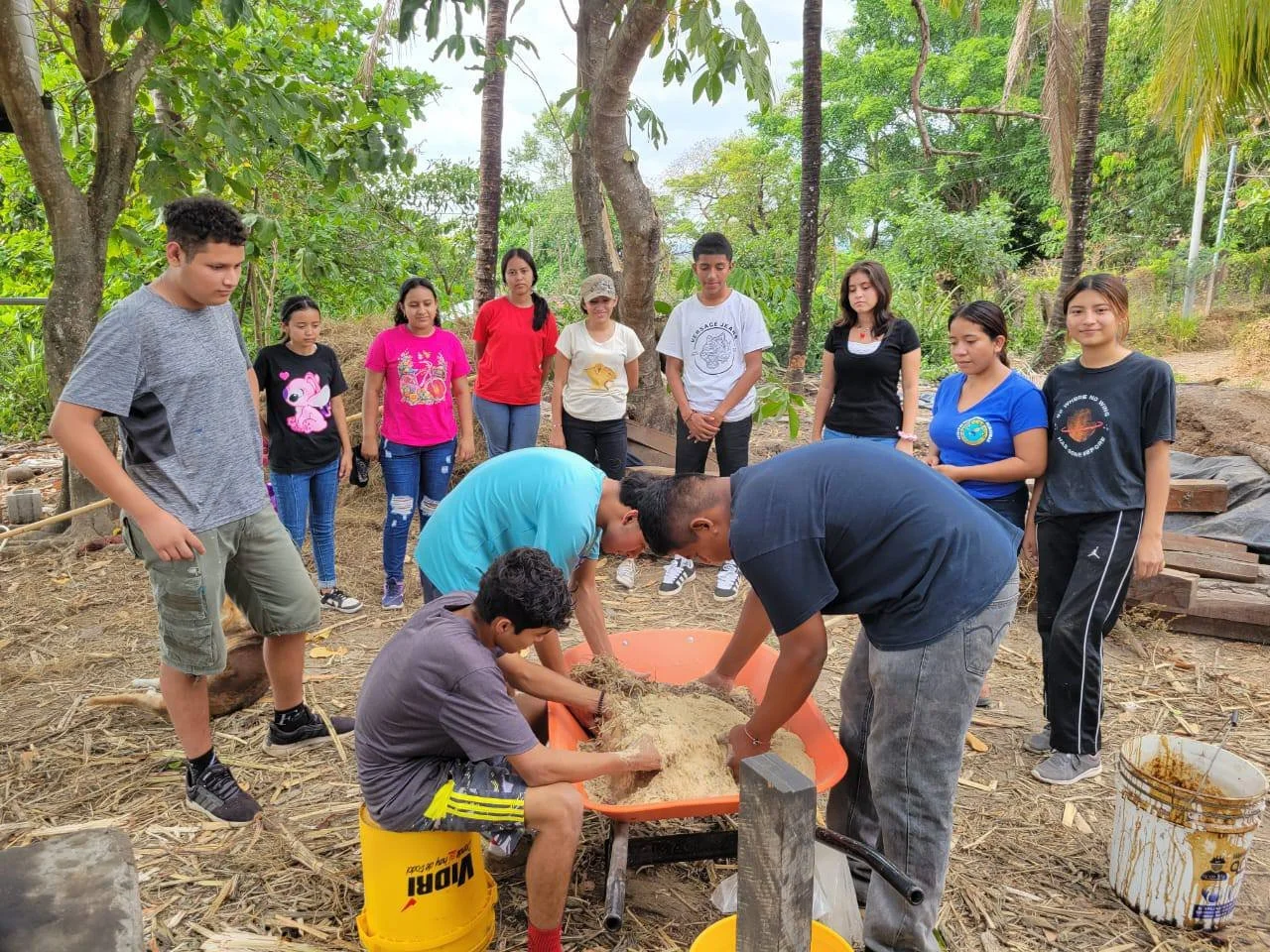
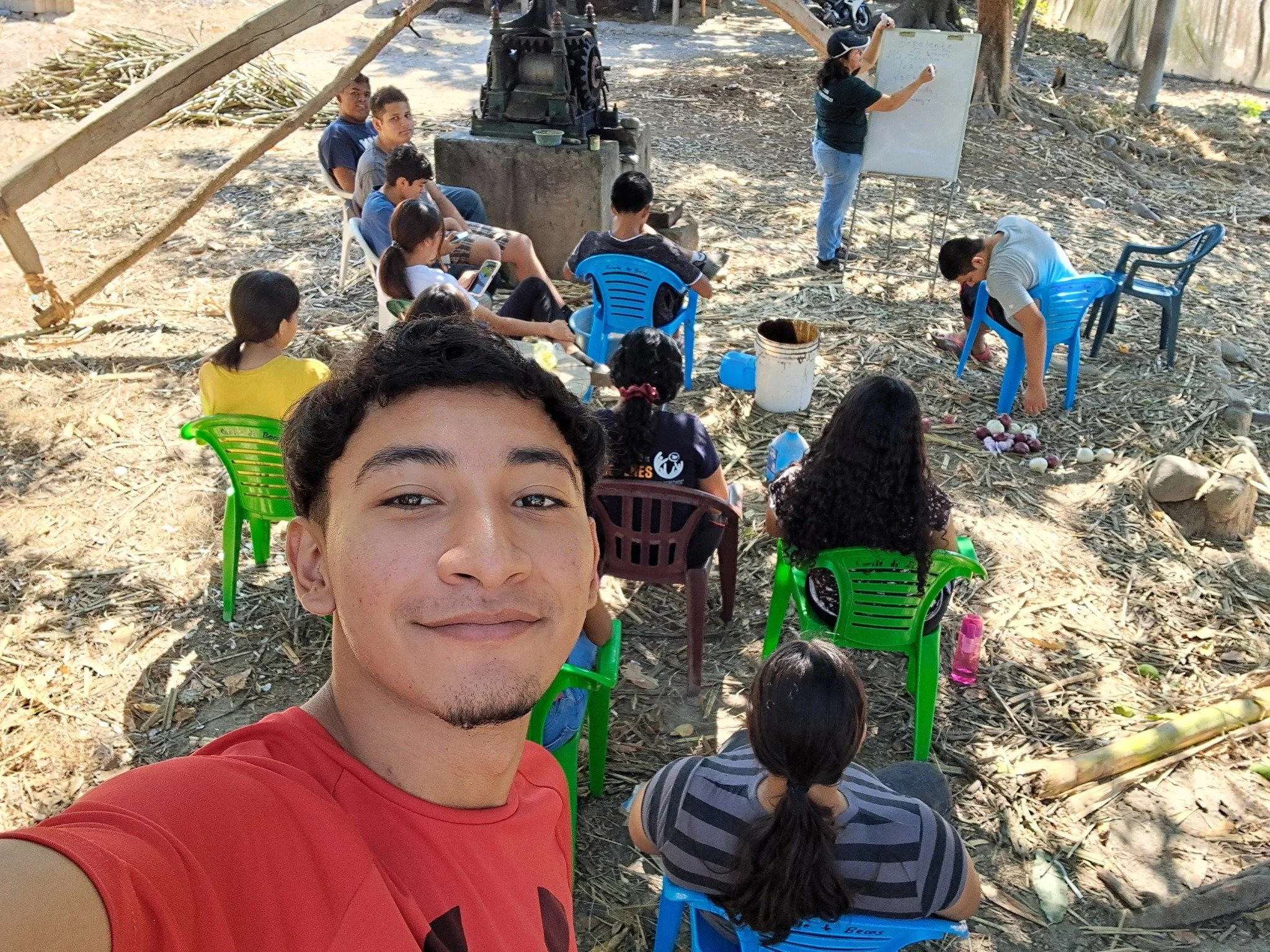
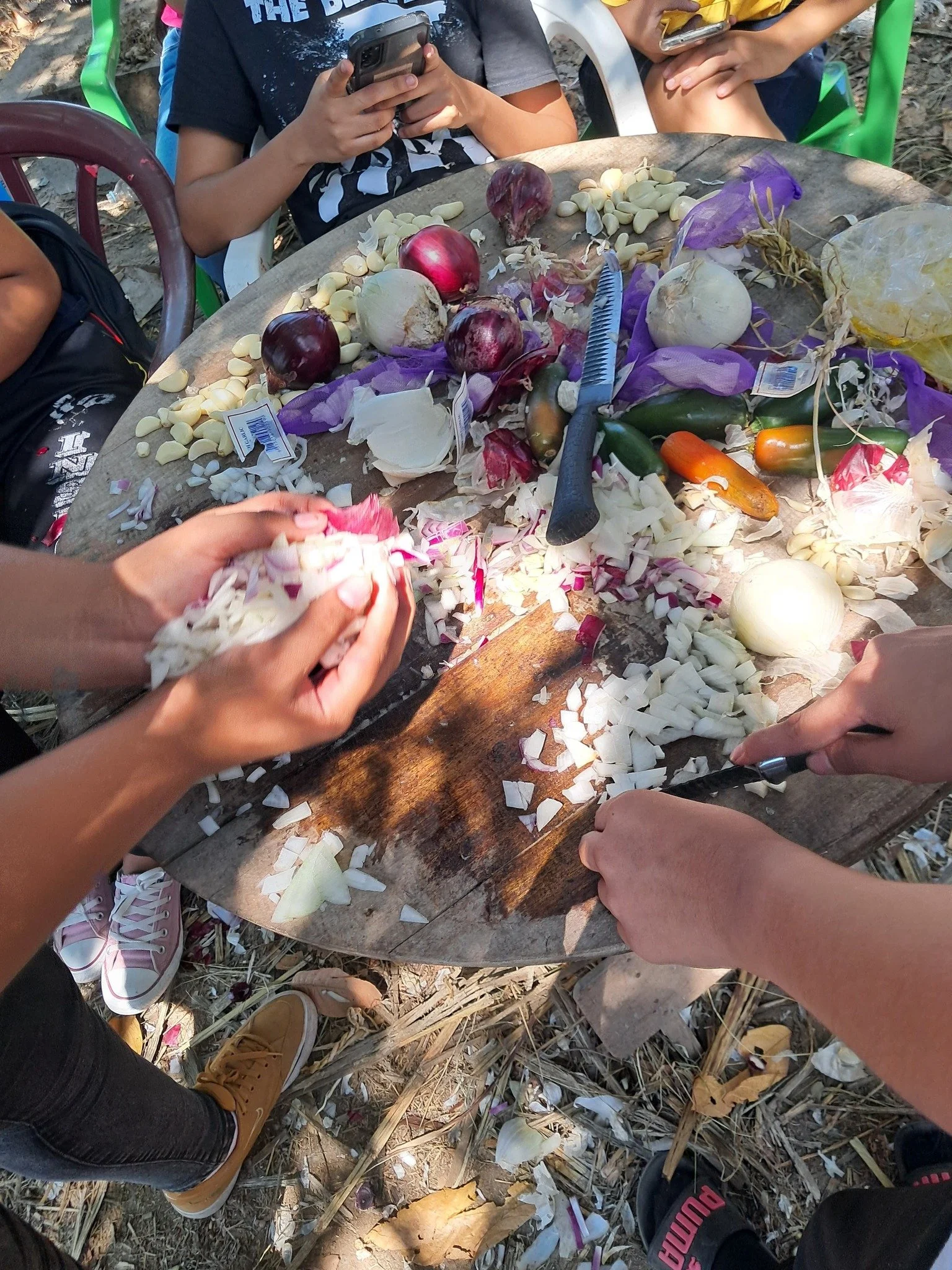
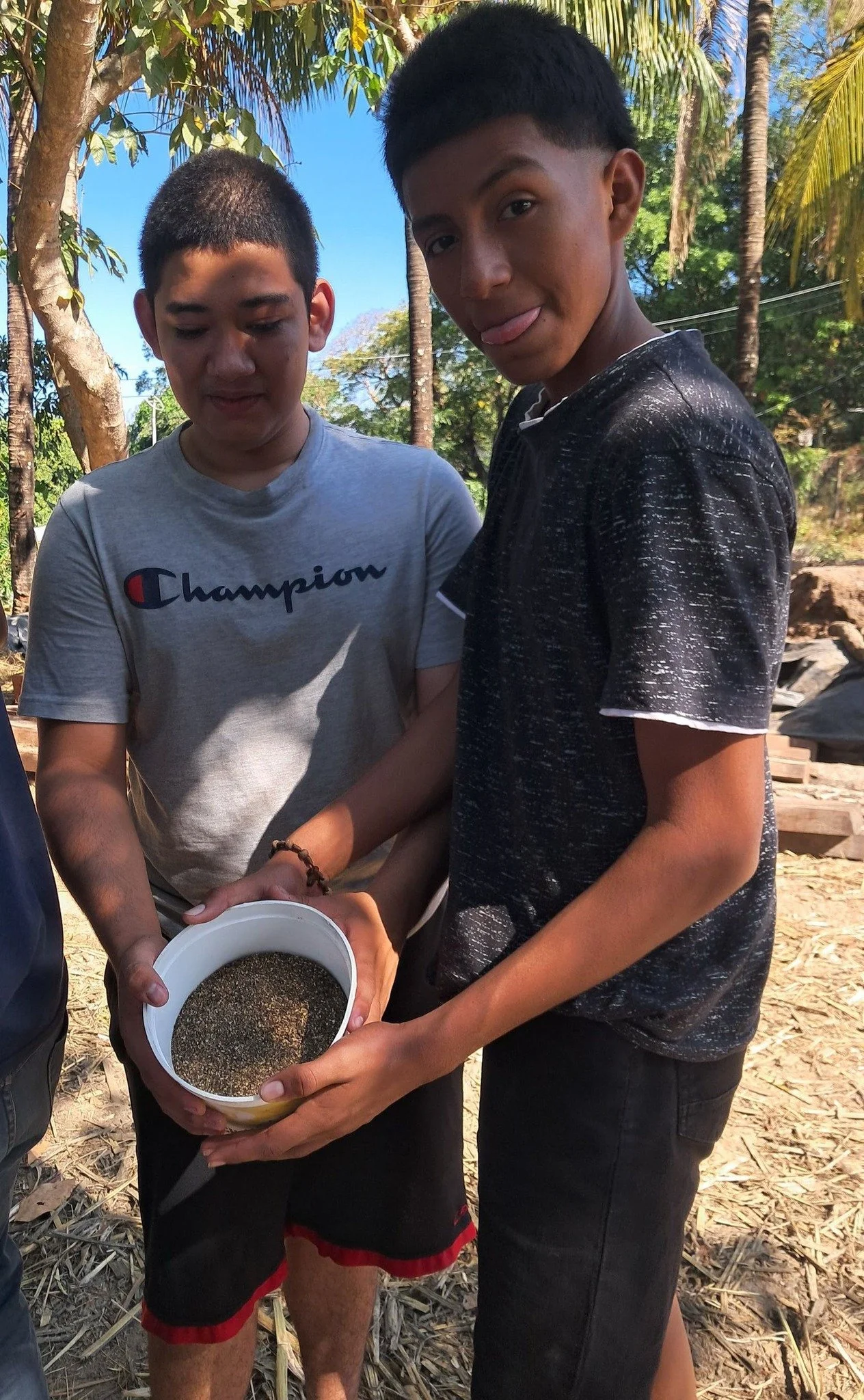
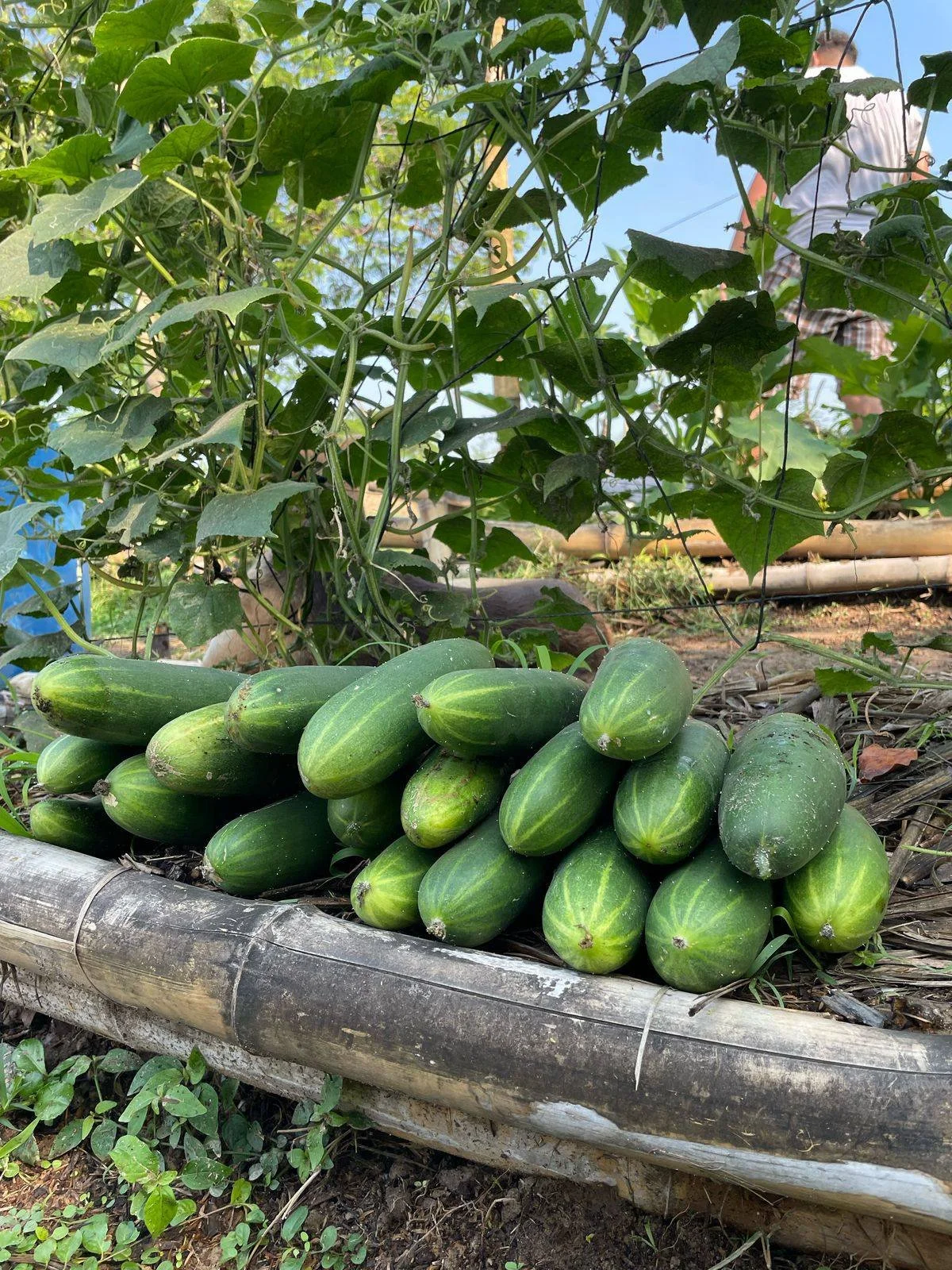
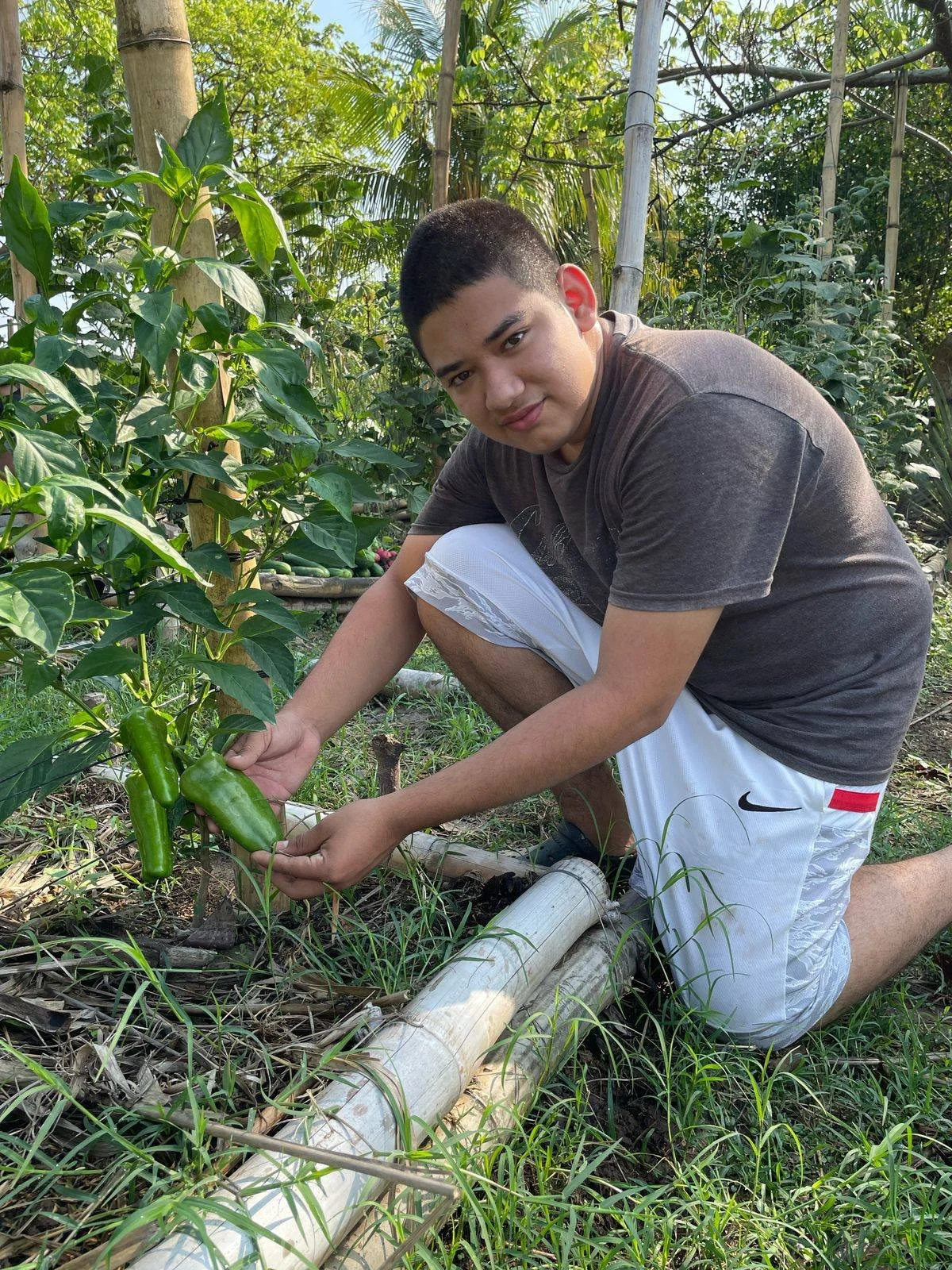
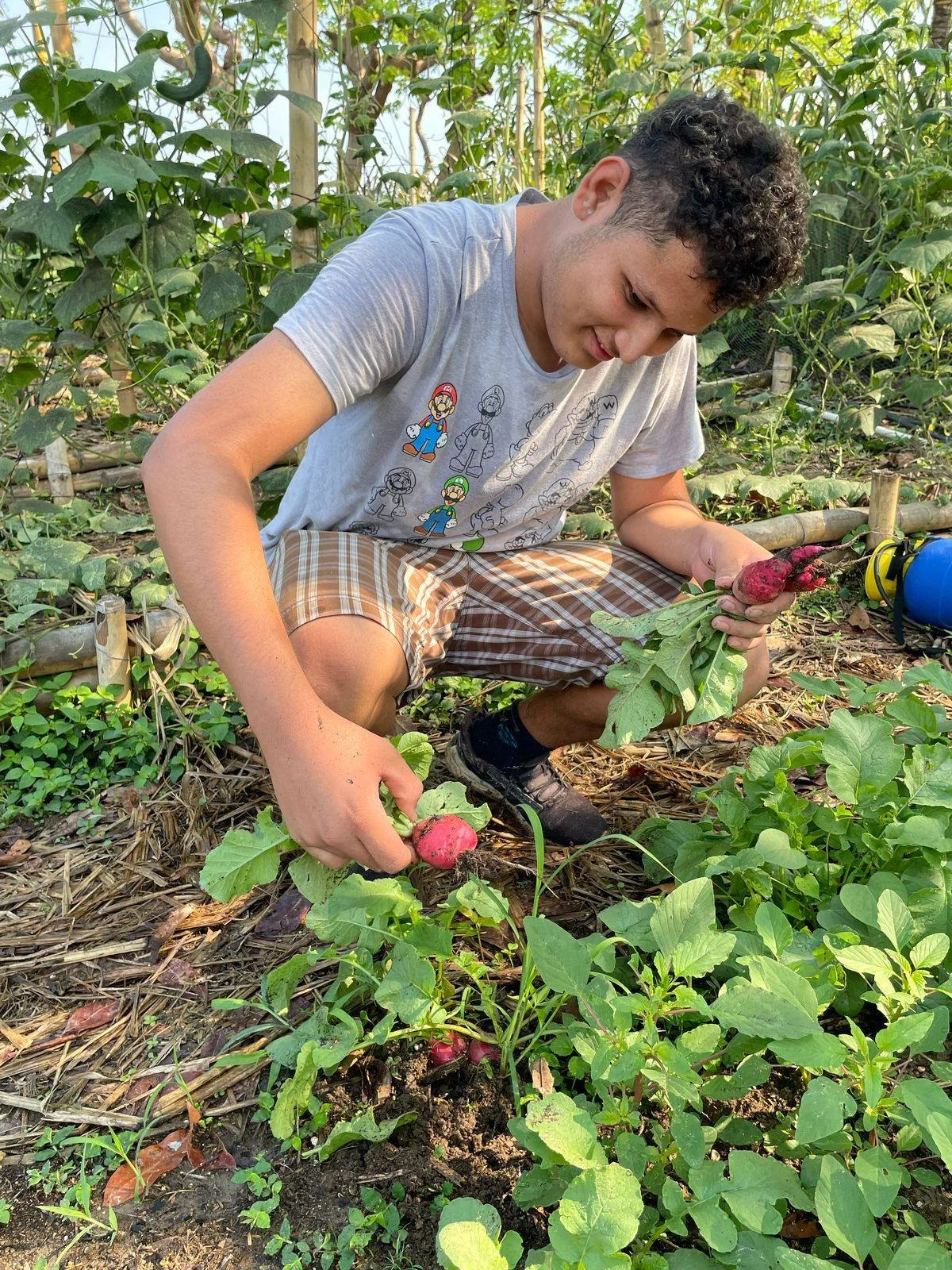
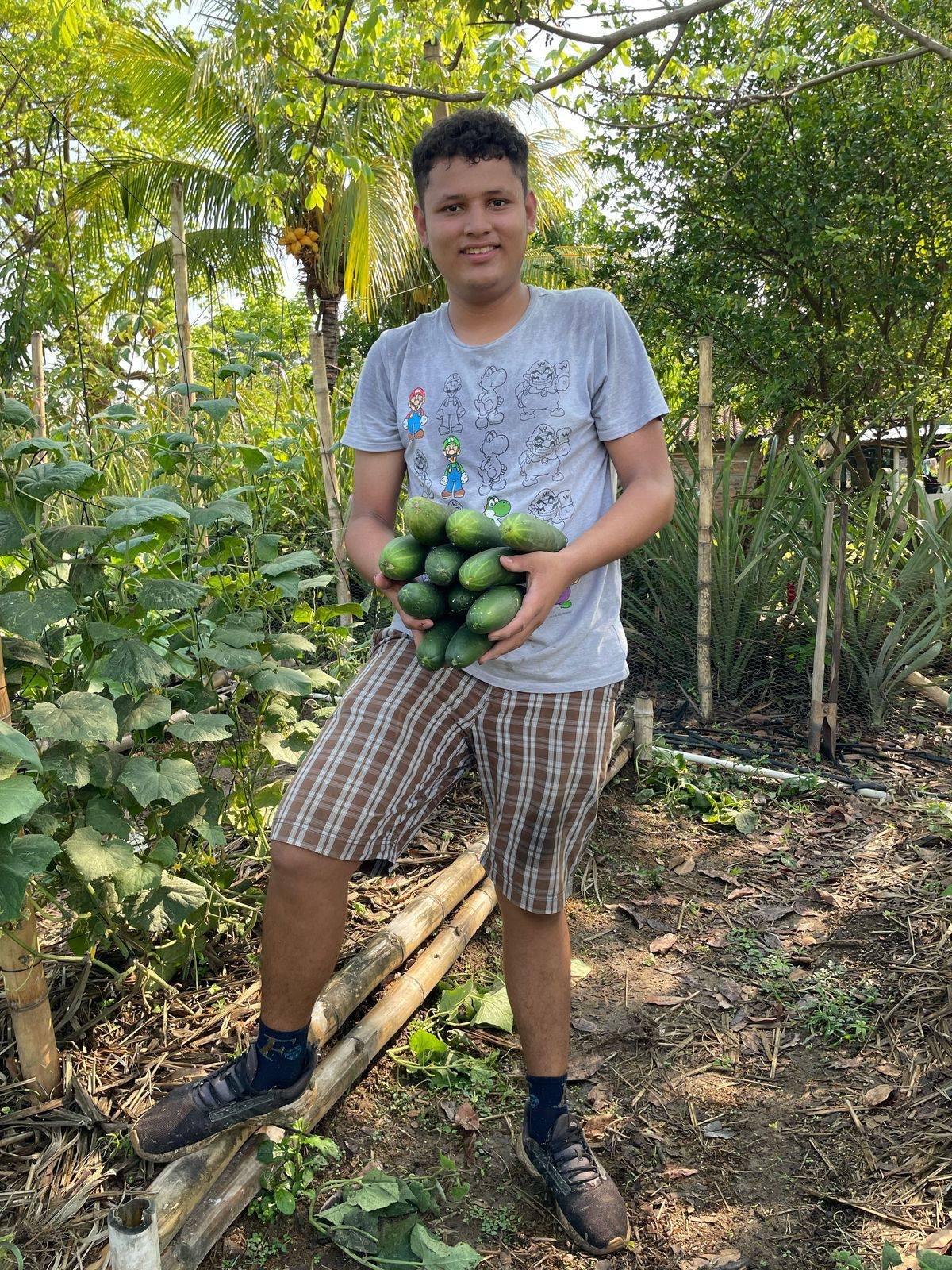
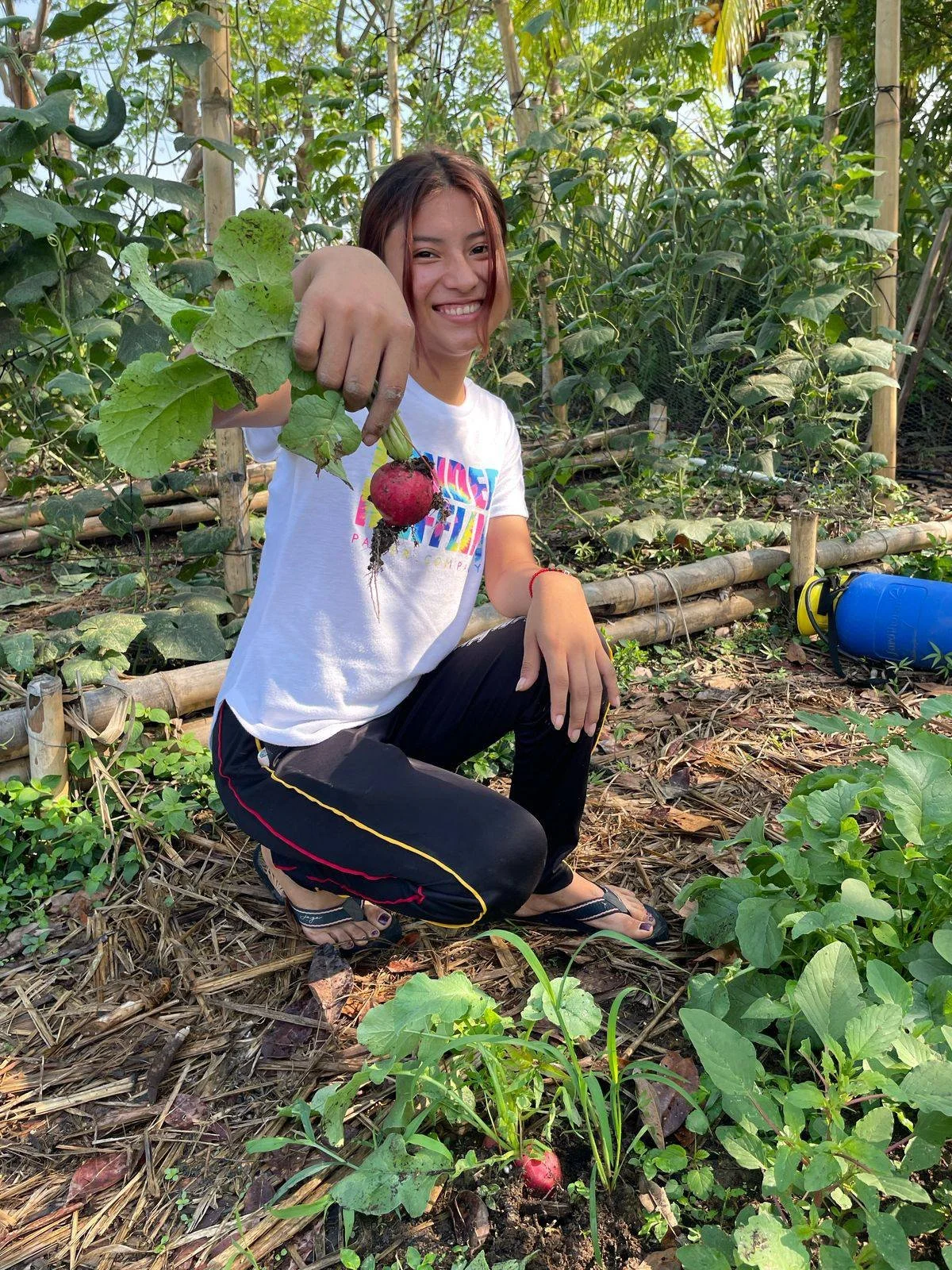
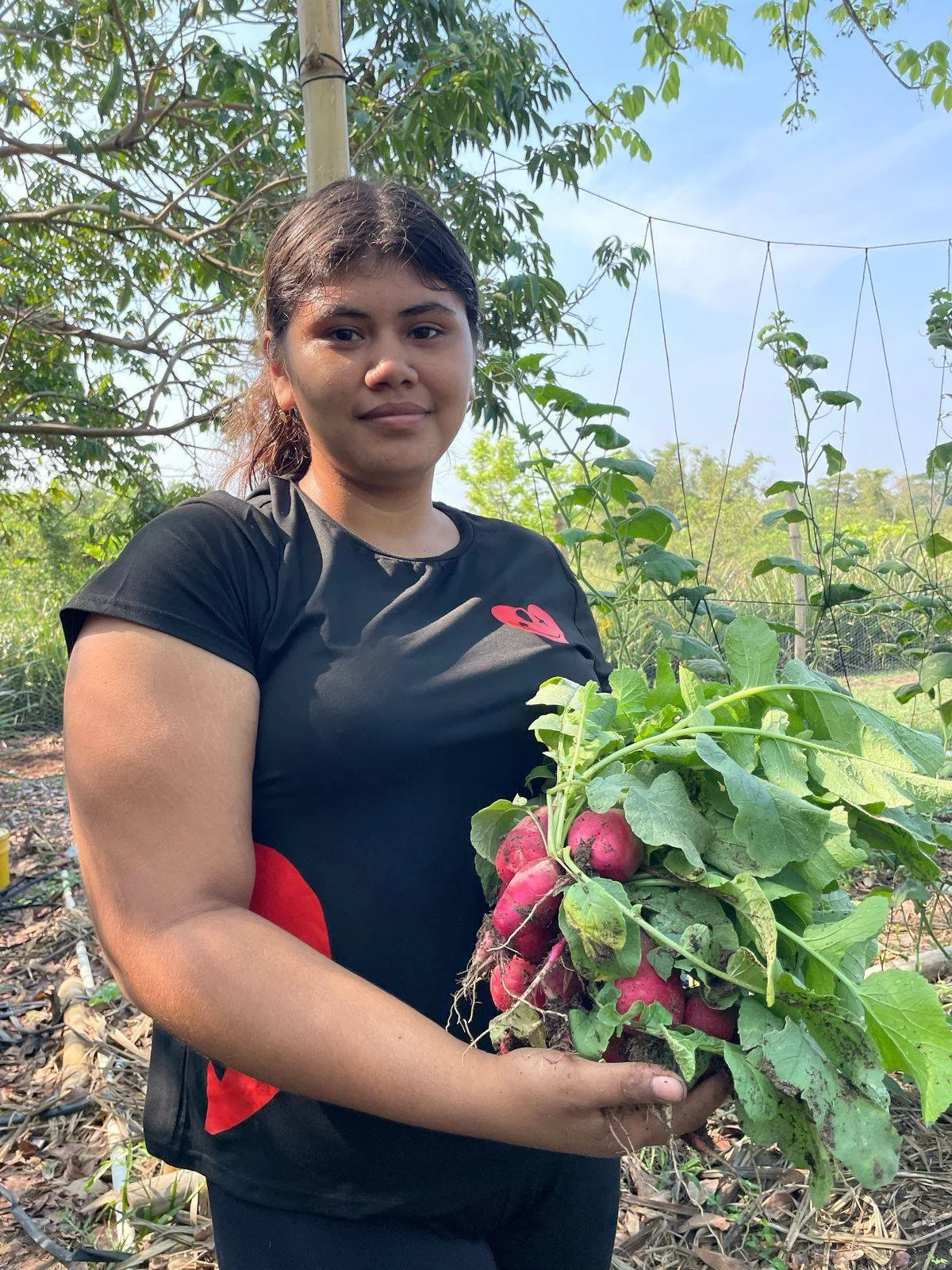
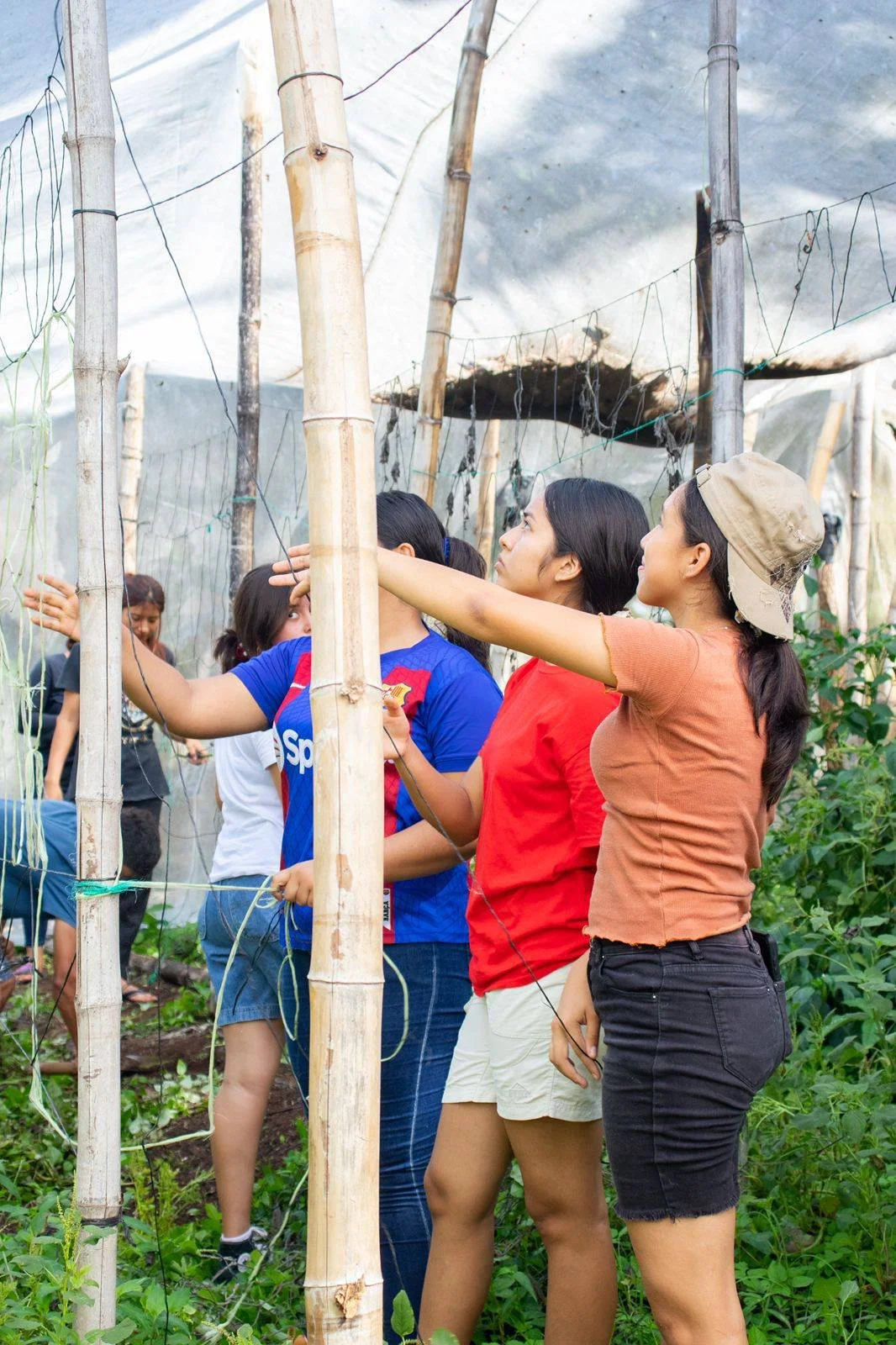
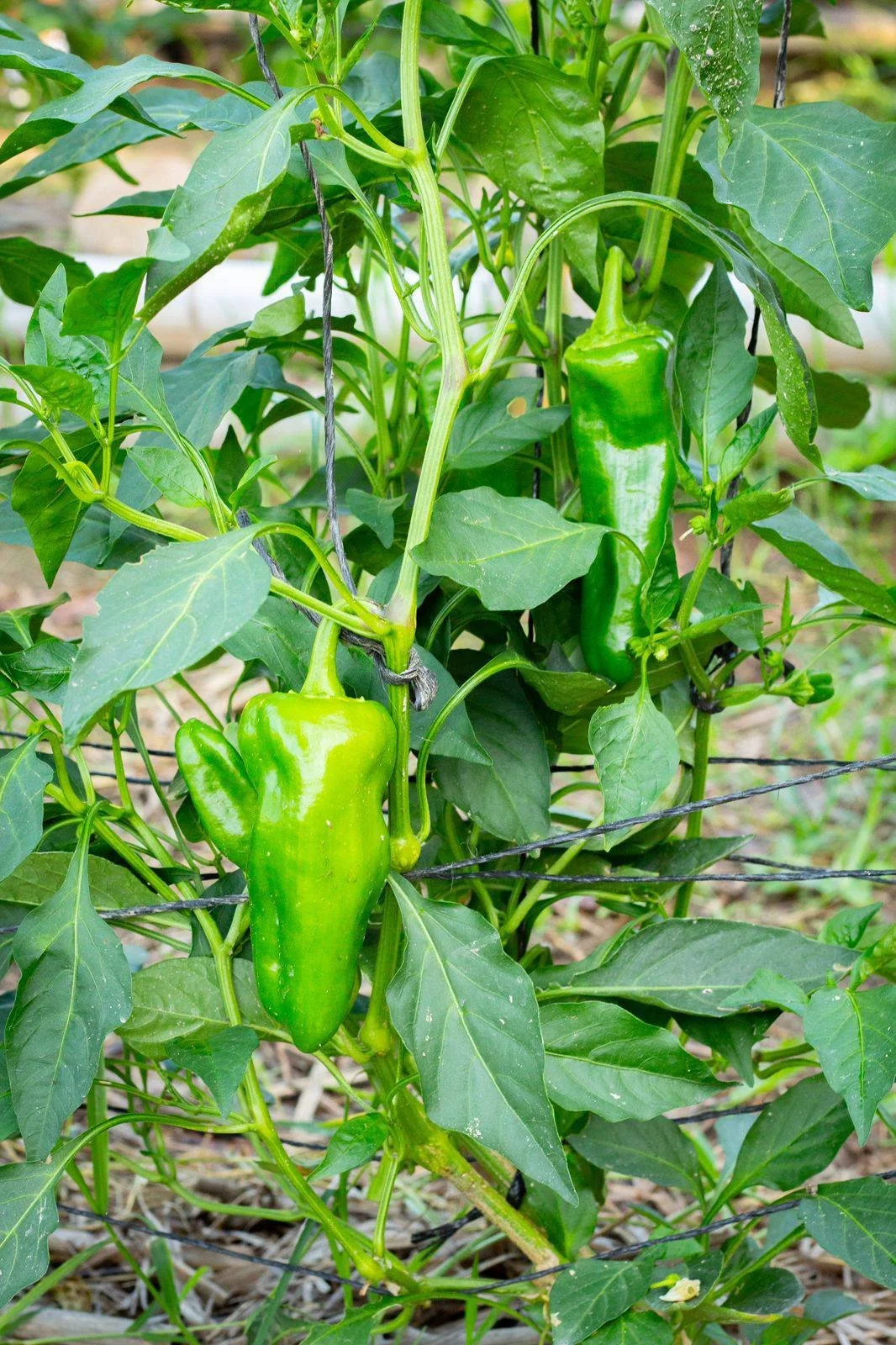
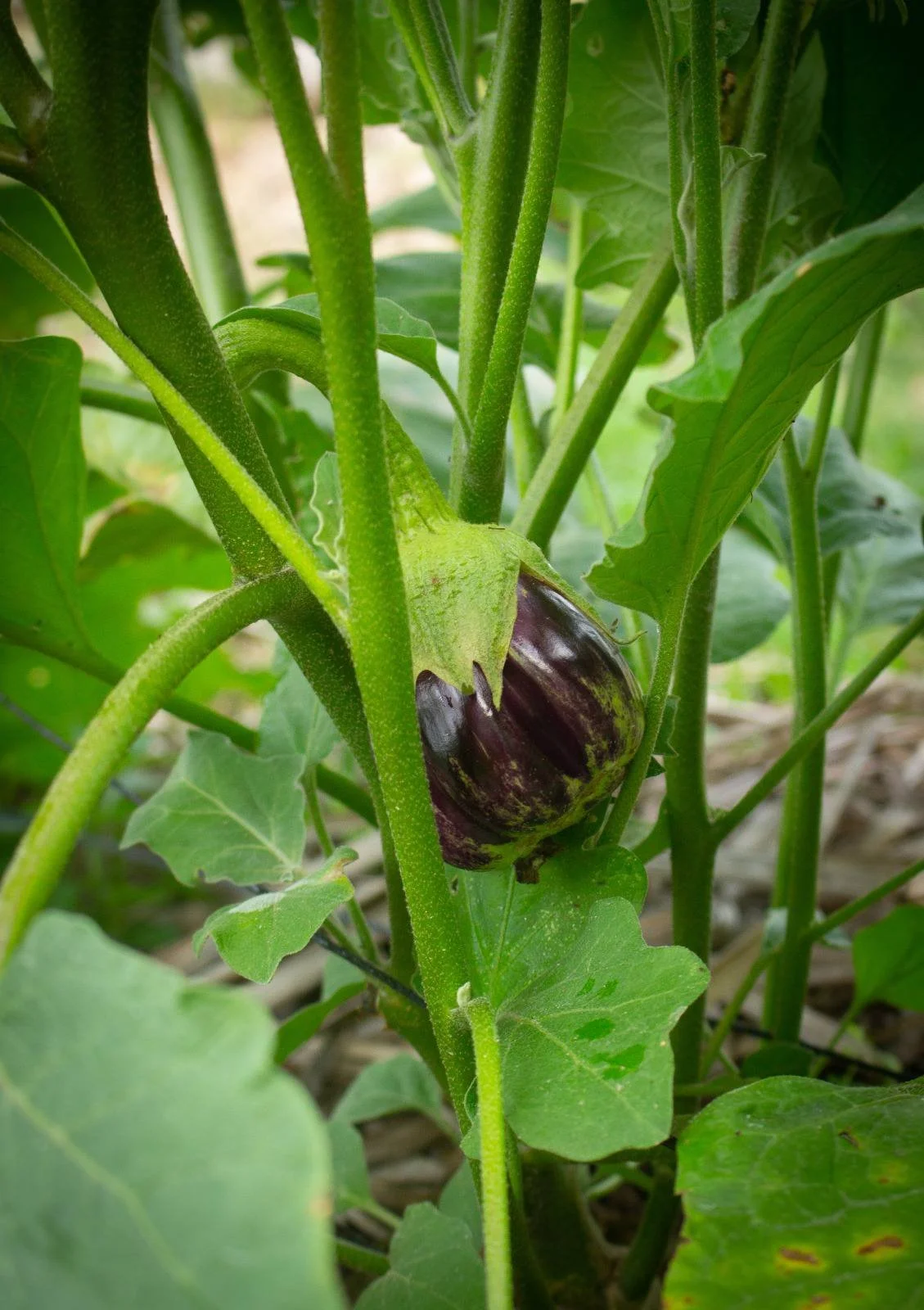
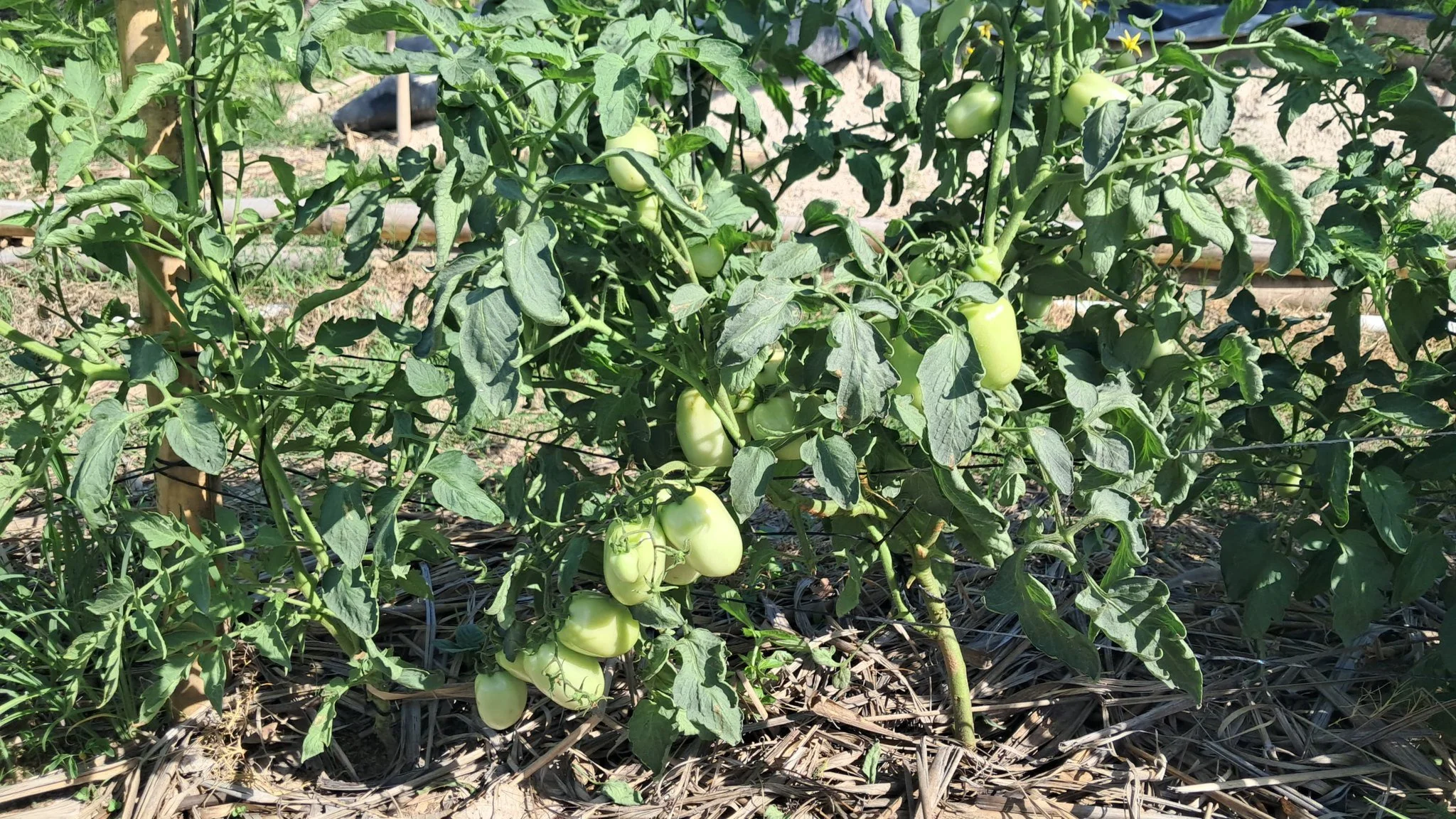
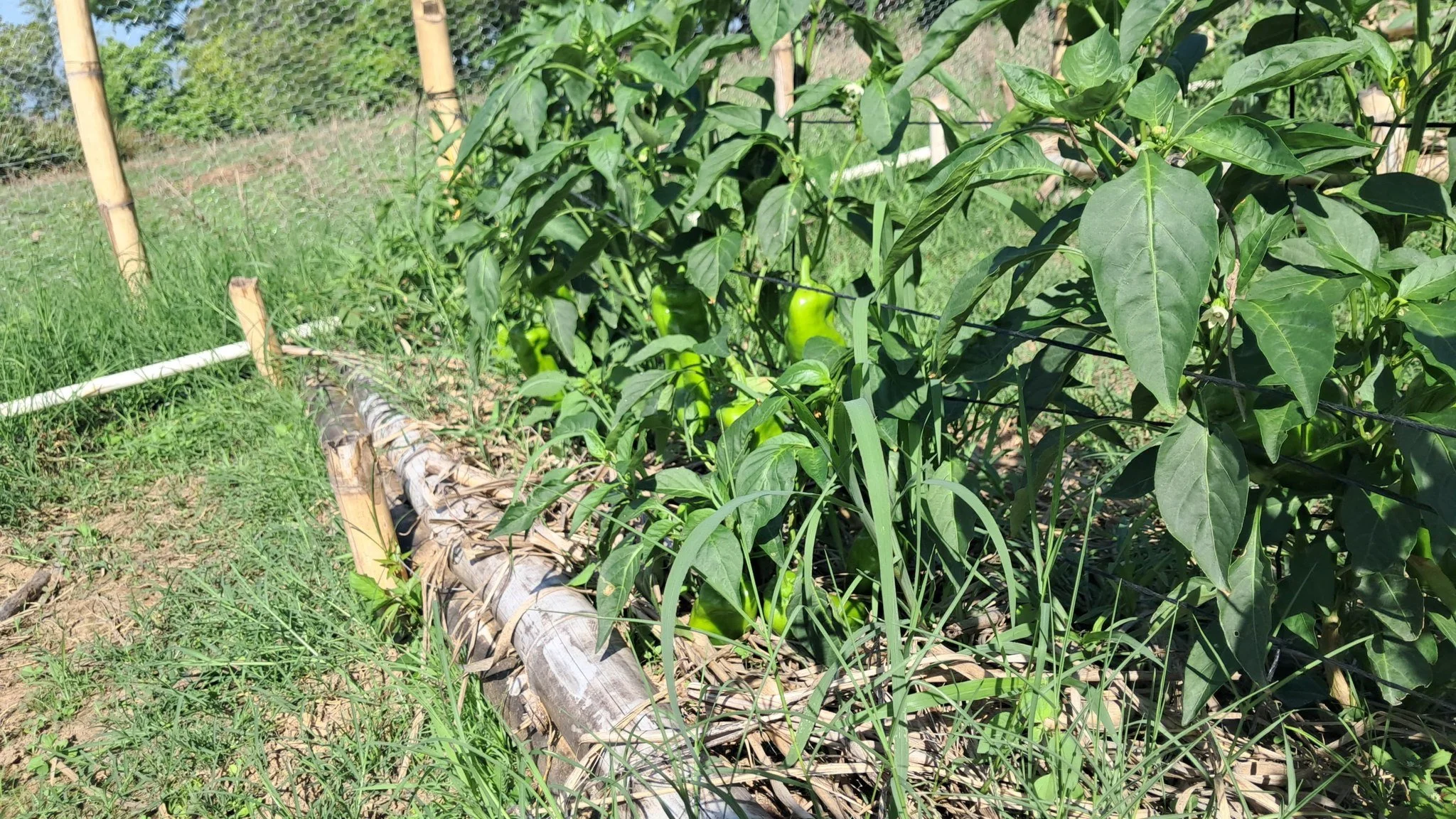
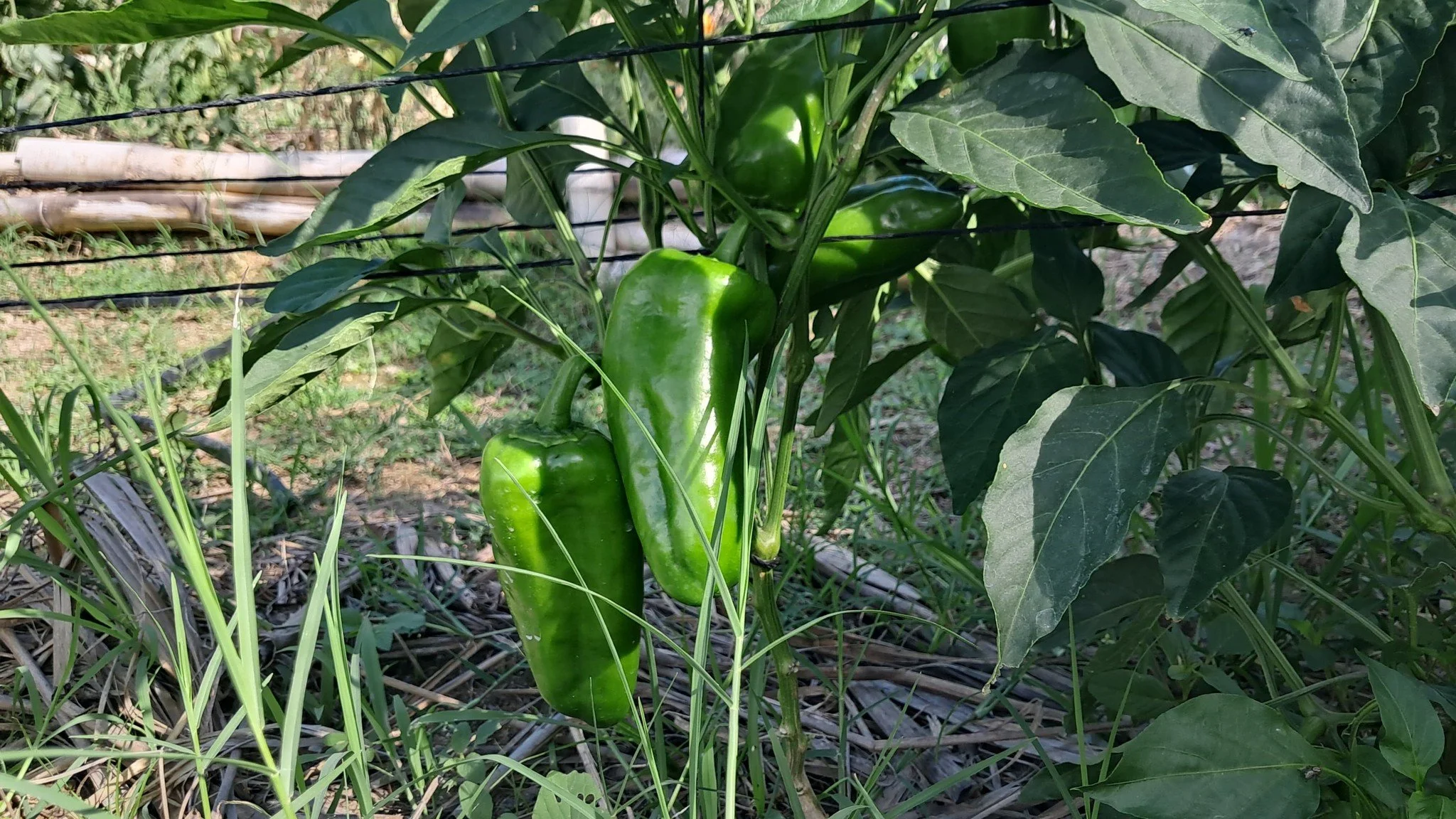
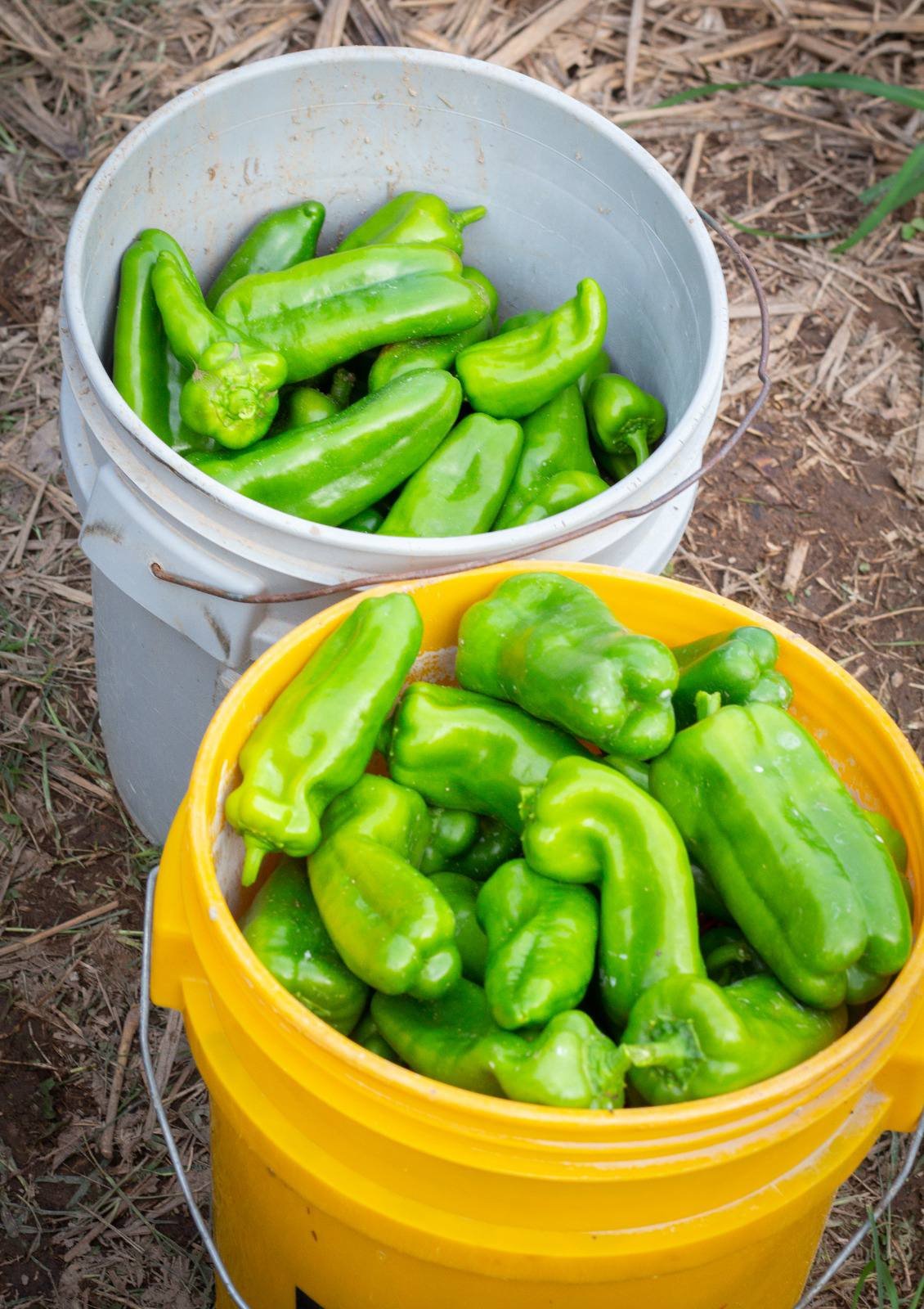
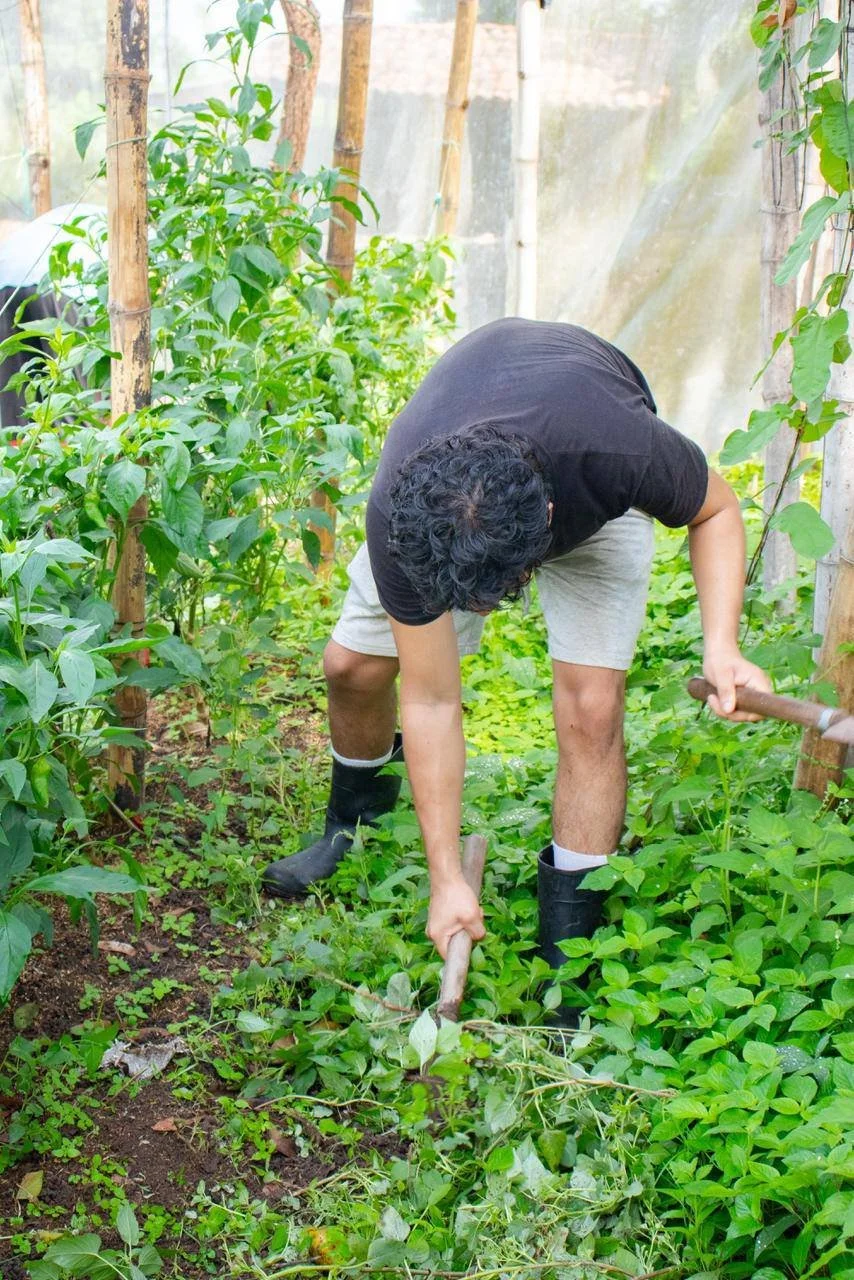
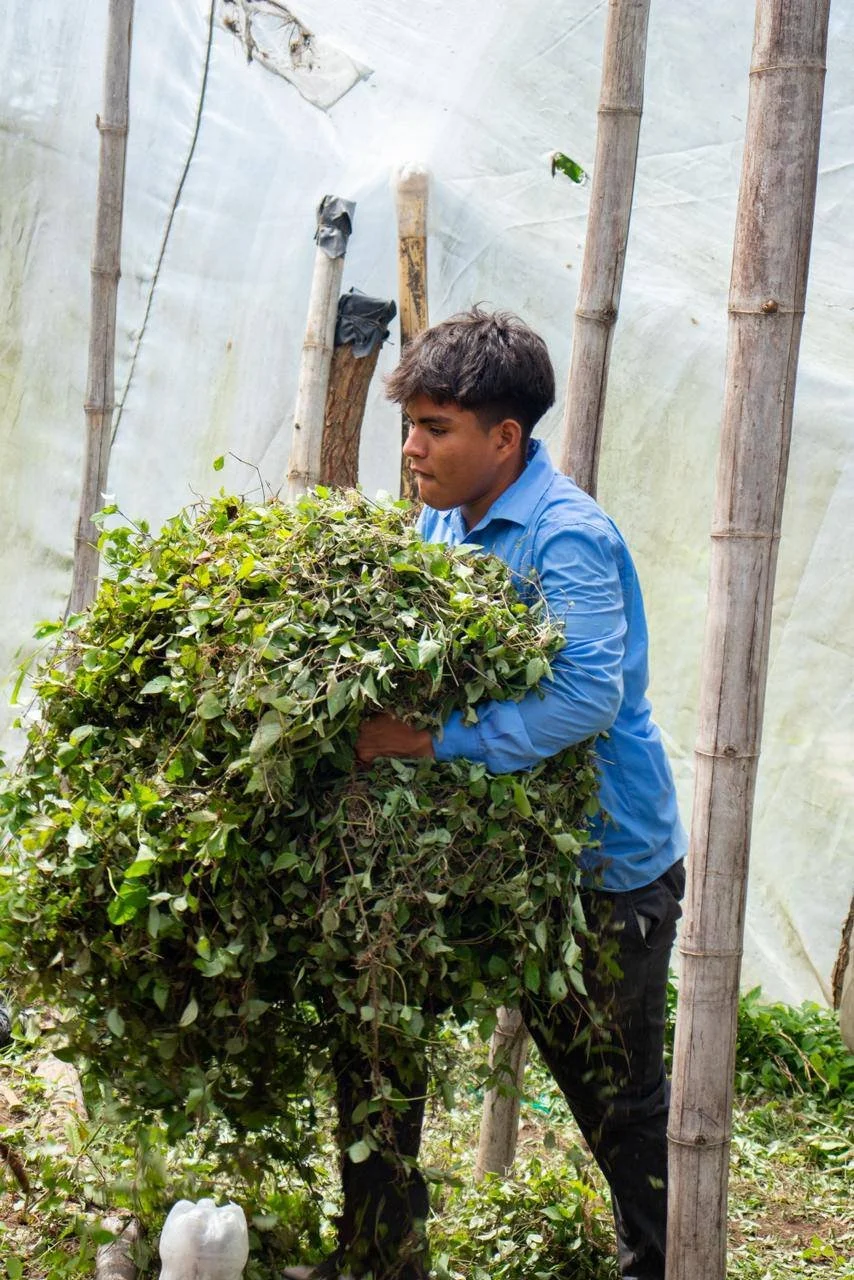
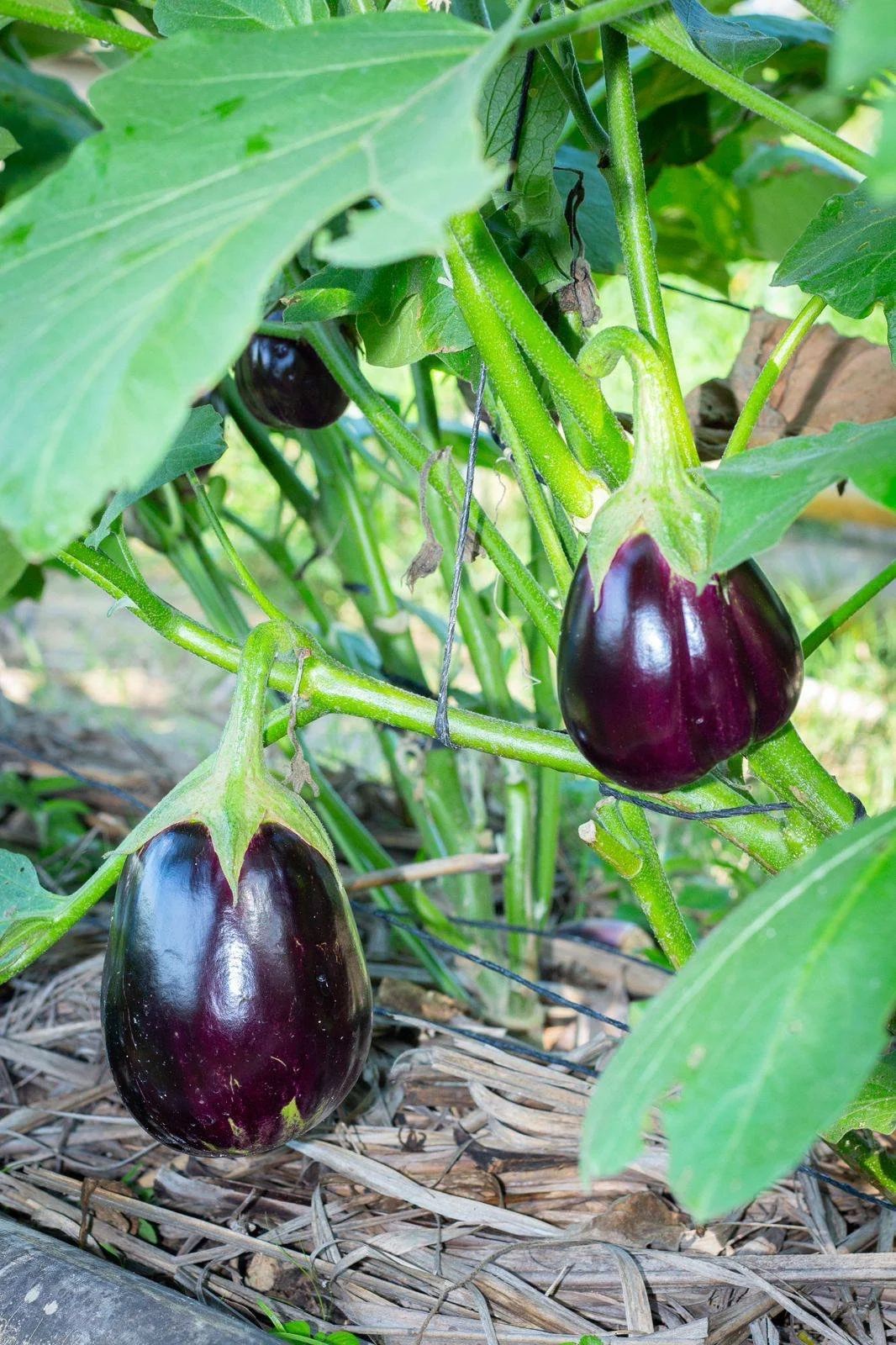
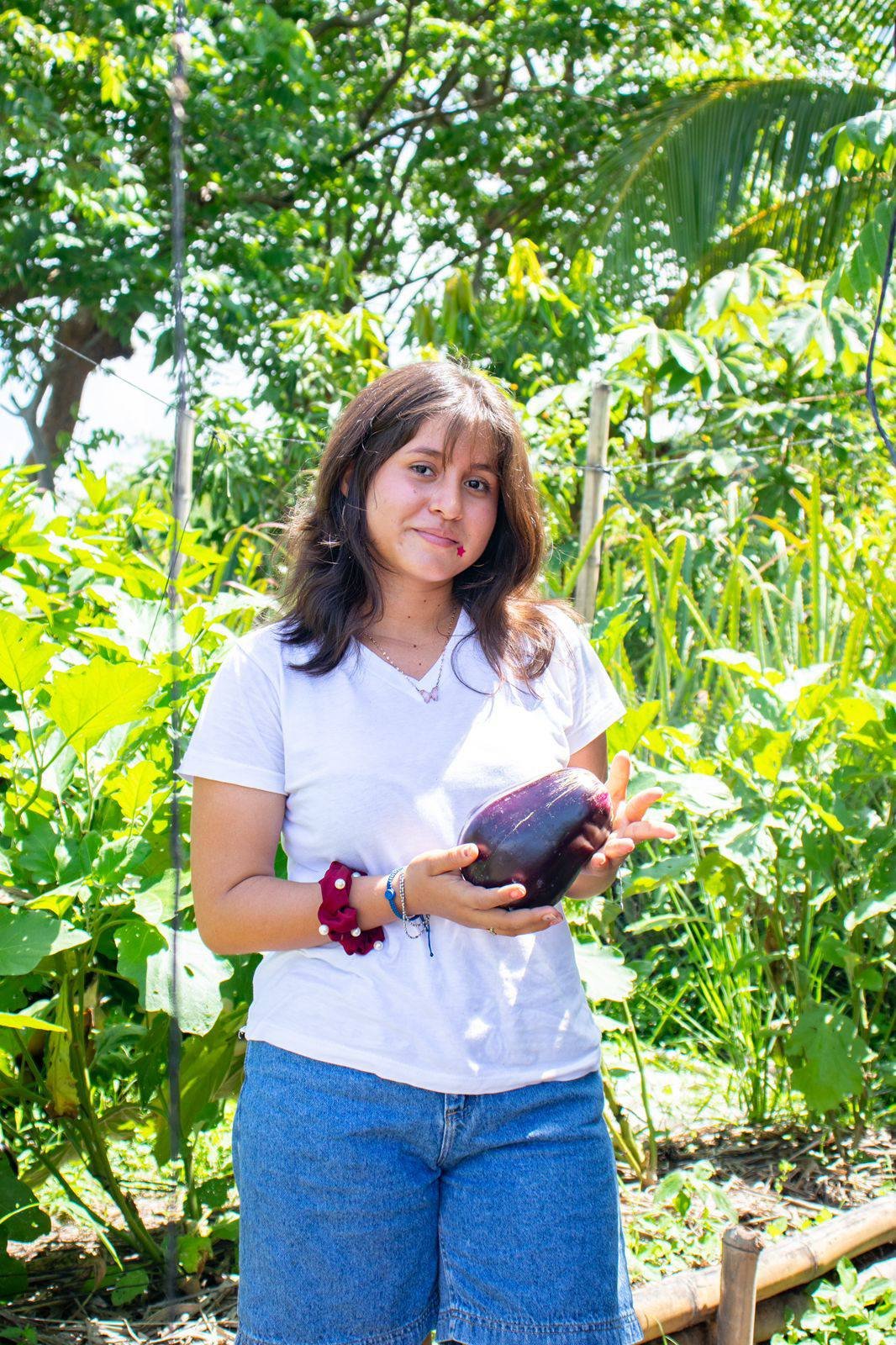
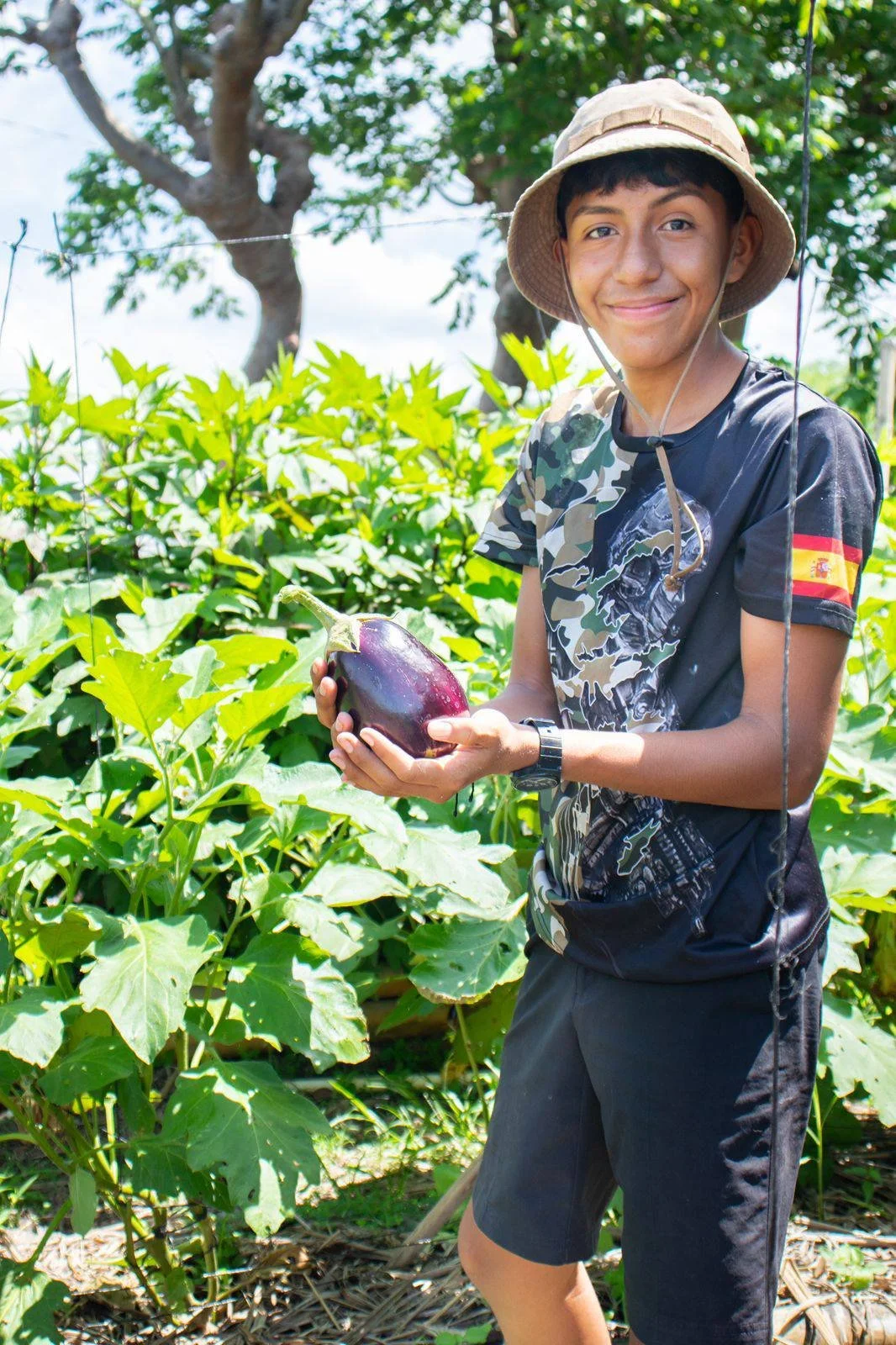
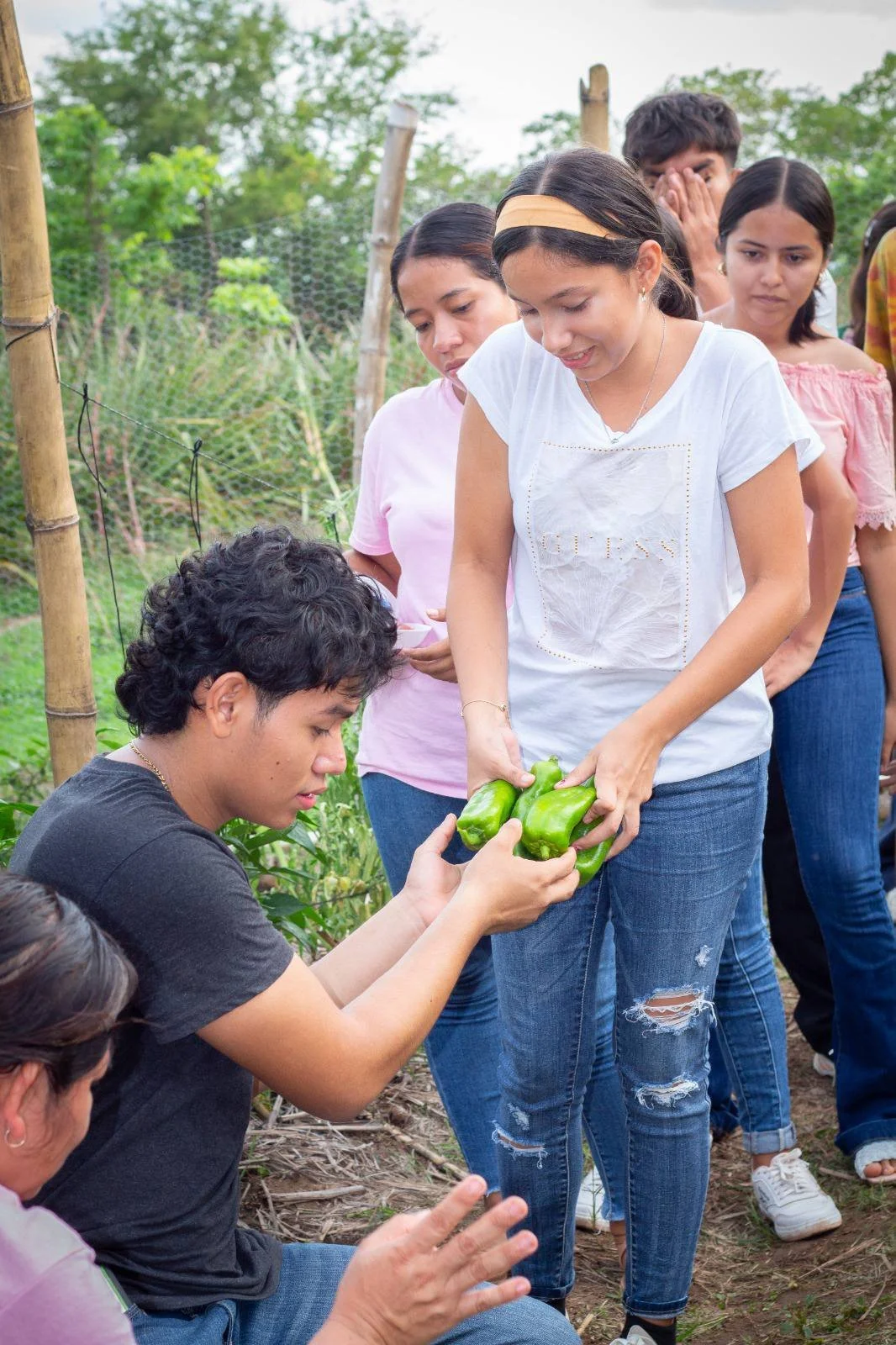
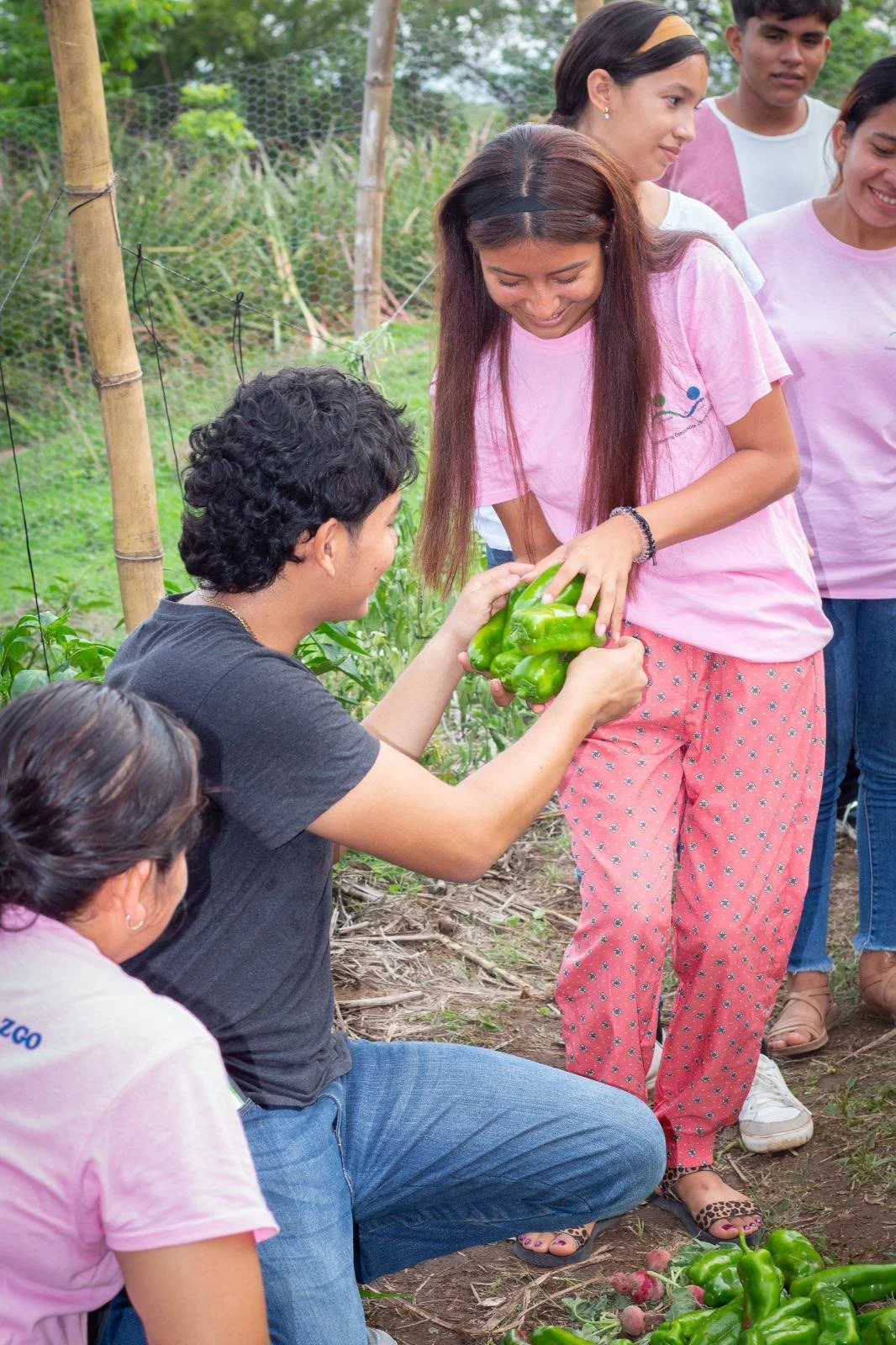
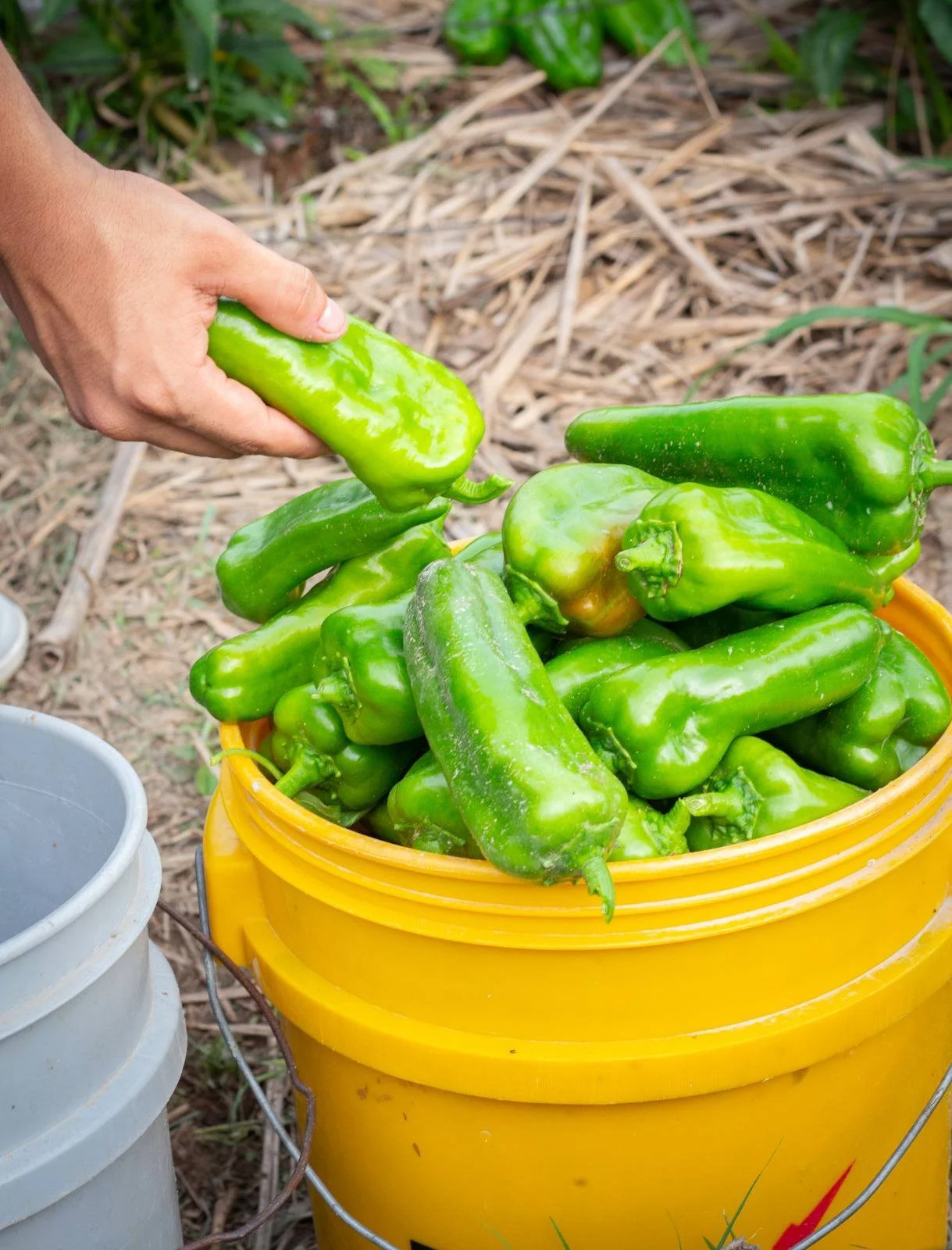
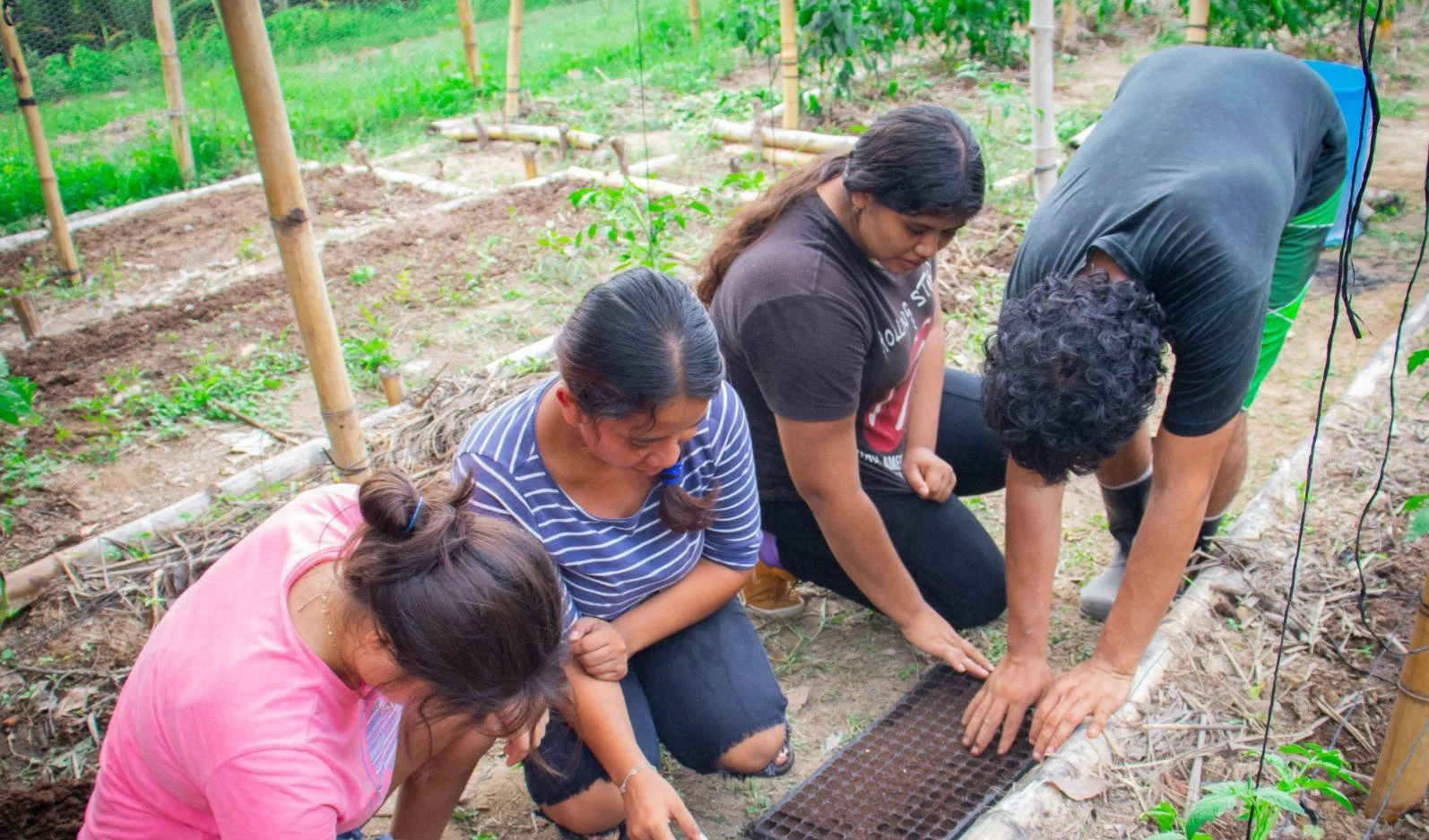
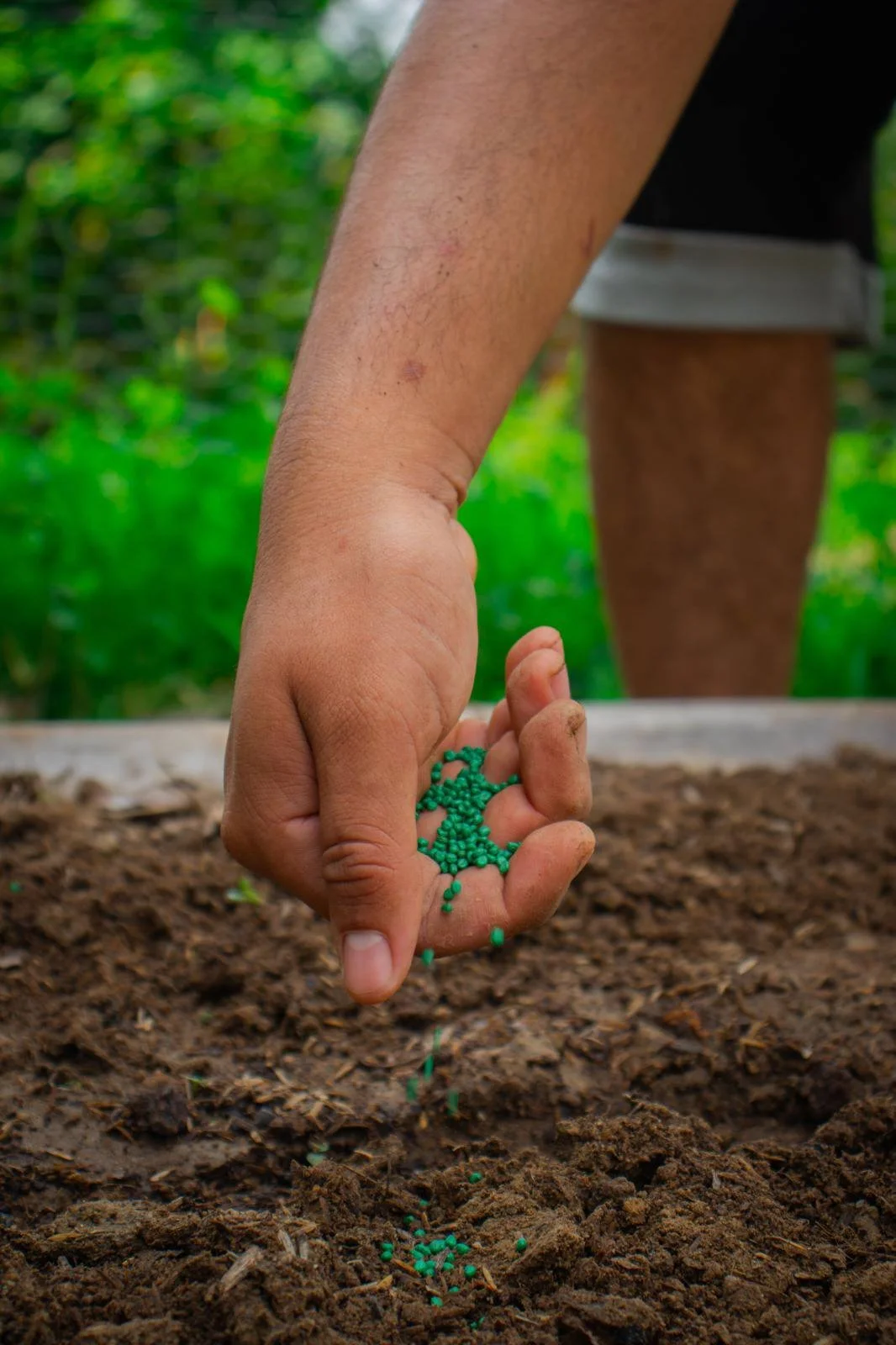
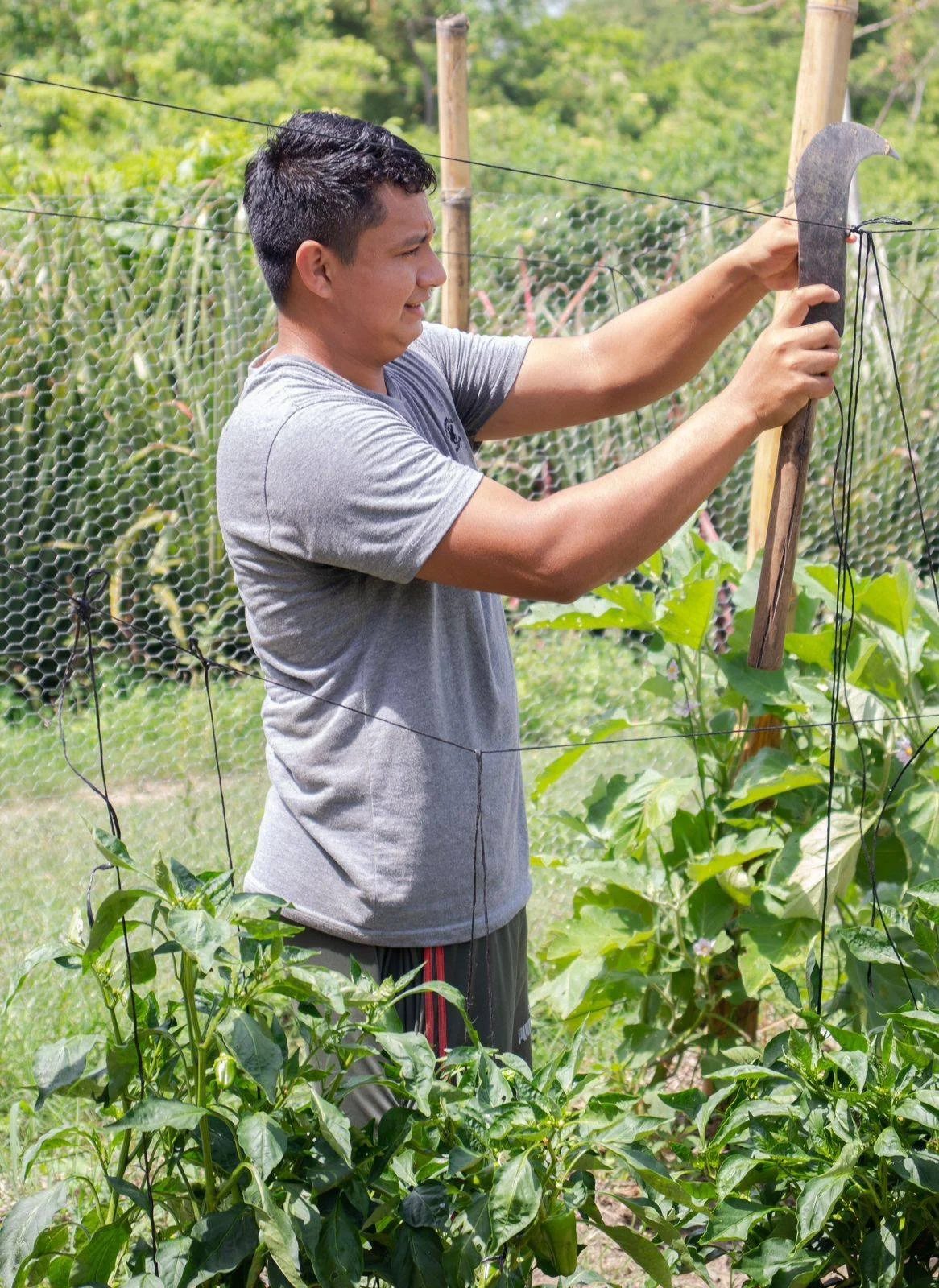
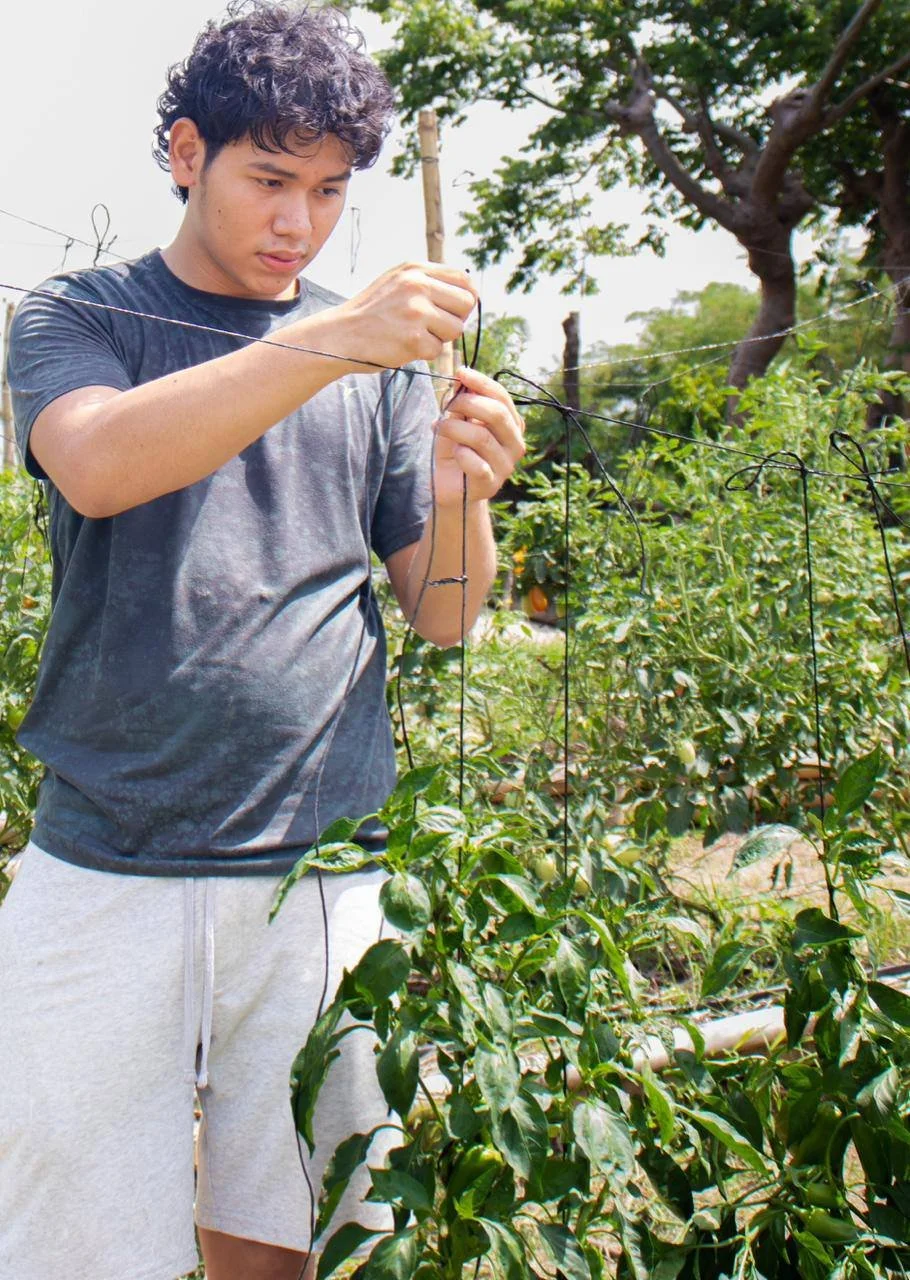
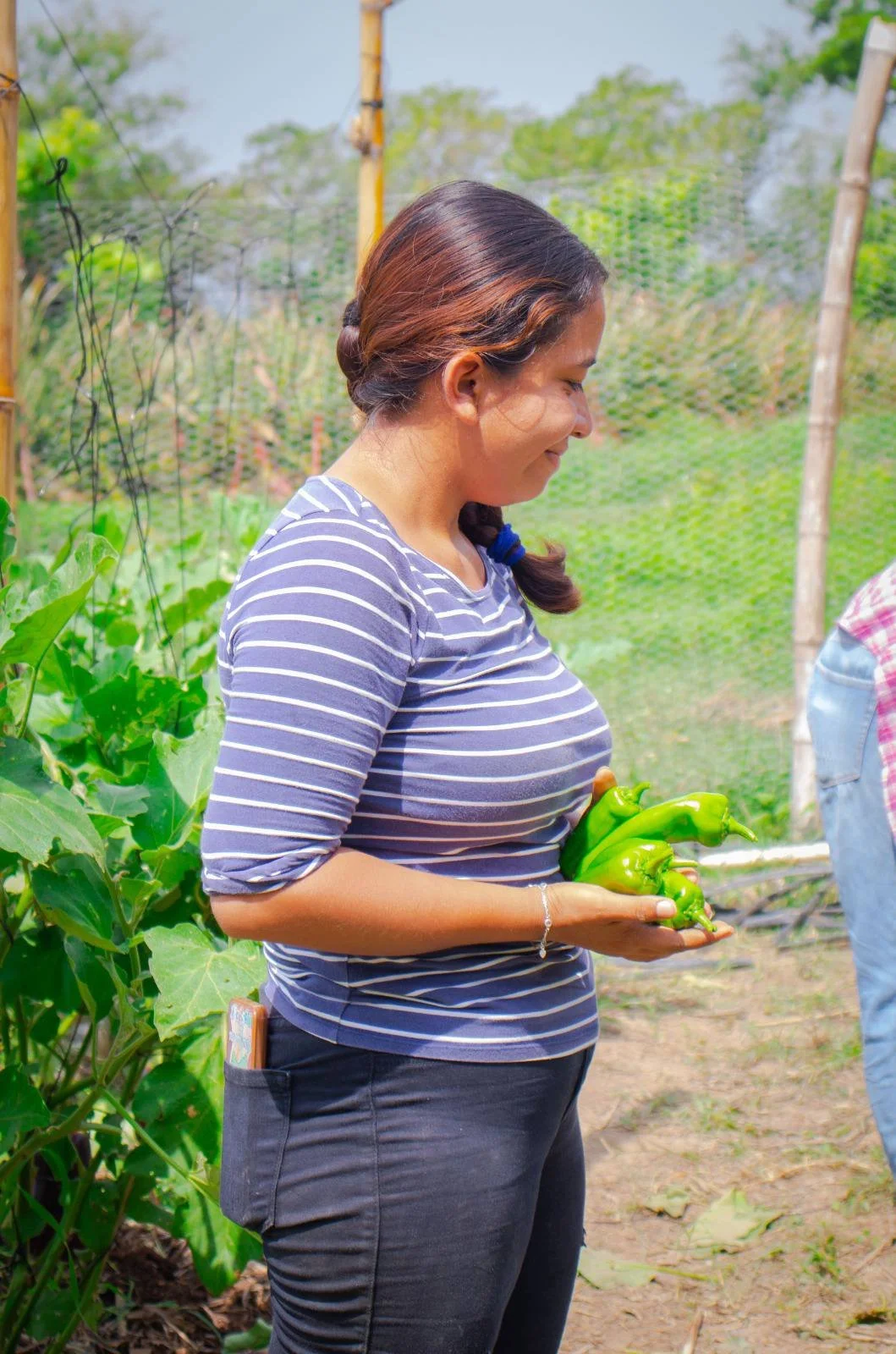
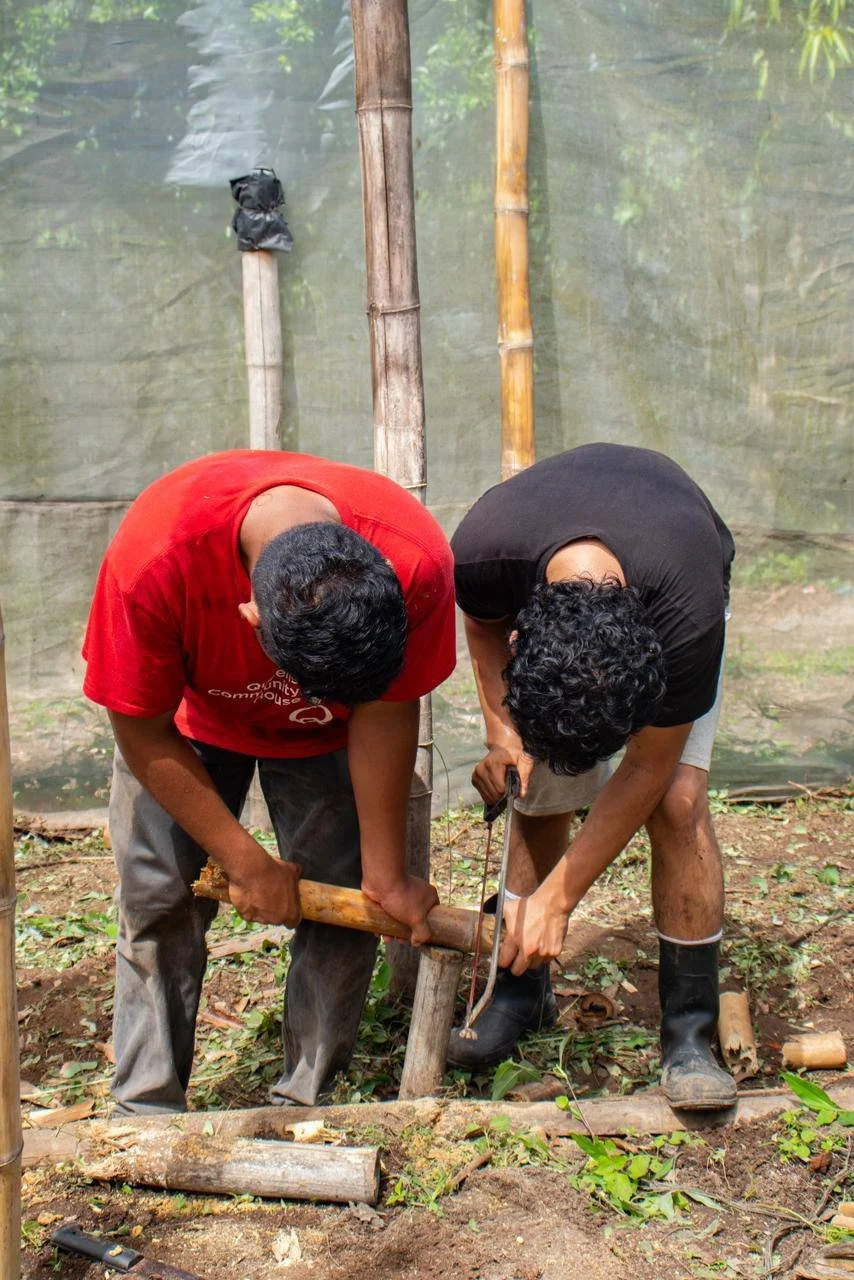
As a requirement of participating in the Knowledge is Power Program, each student is required to participate in a community service project. The purpose of this requirement is so that each student will be able to learn about agroecology, teamwork, leadership, and foster a better relationship with the environment. This led to the creation of the first youth agroecological garden where each student implements environmentally friendly agroecological techniques. The goal of this garden is to empower students and educate them on the responsibility of collaborative, sustainable work. Initially, produce will be for participating families with the end goal of selling surplus produce to provide funds for the Knowledge is Power Program and any garden maintenance as required. Additionally, the garden will also serve as an area of inspiration for other young people and individuals in general to understand that youth can also implement techniques that are environmentally friendly and demonstrate the power of collaborative work.
Farming for the Future
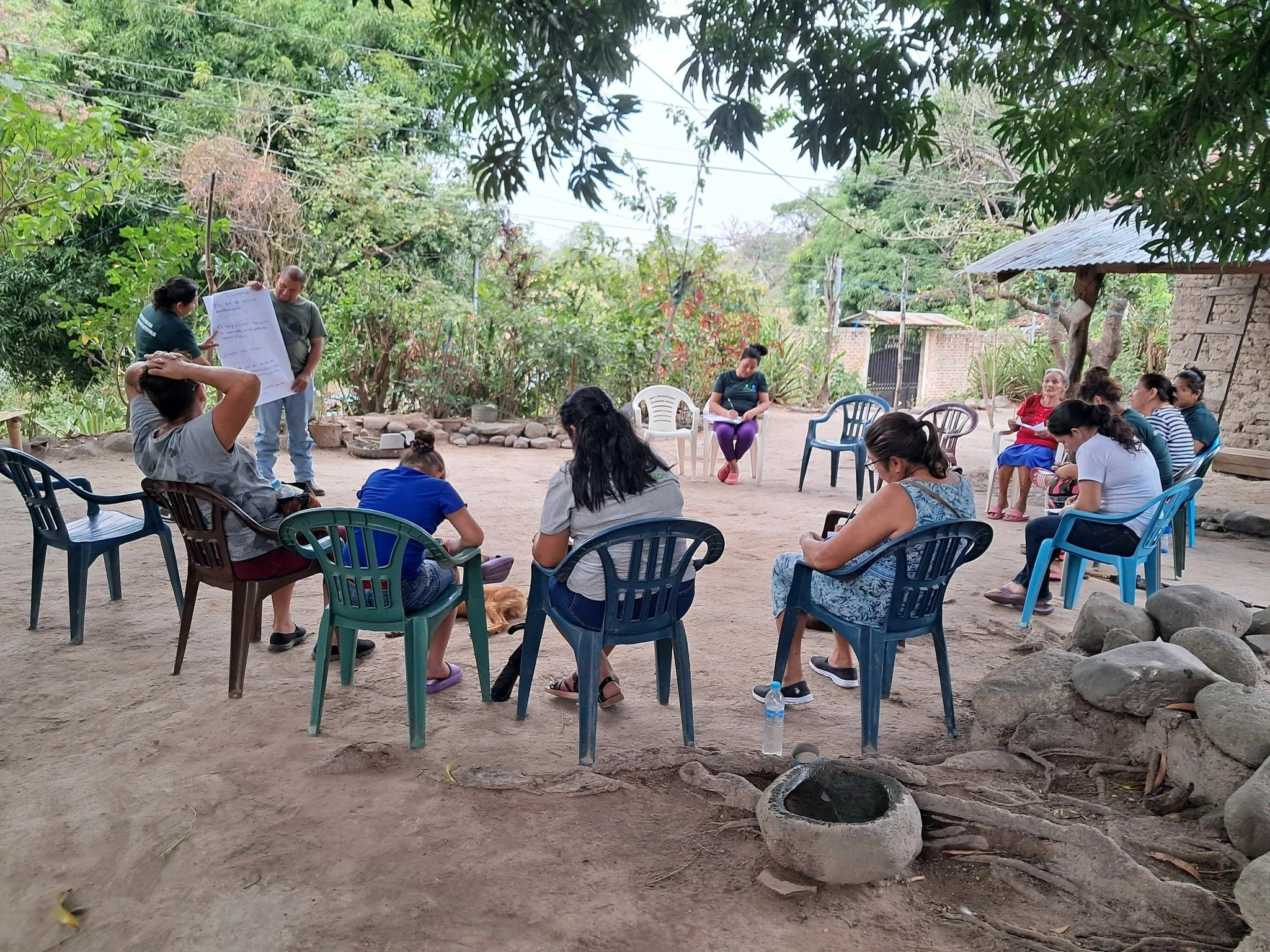
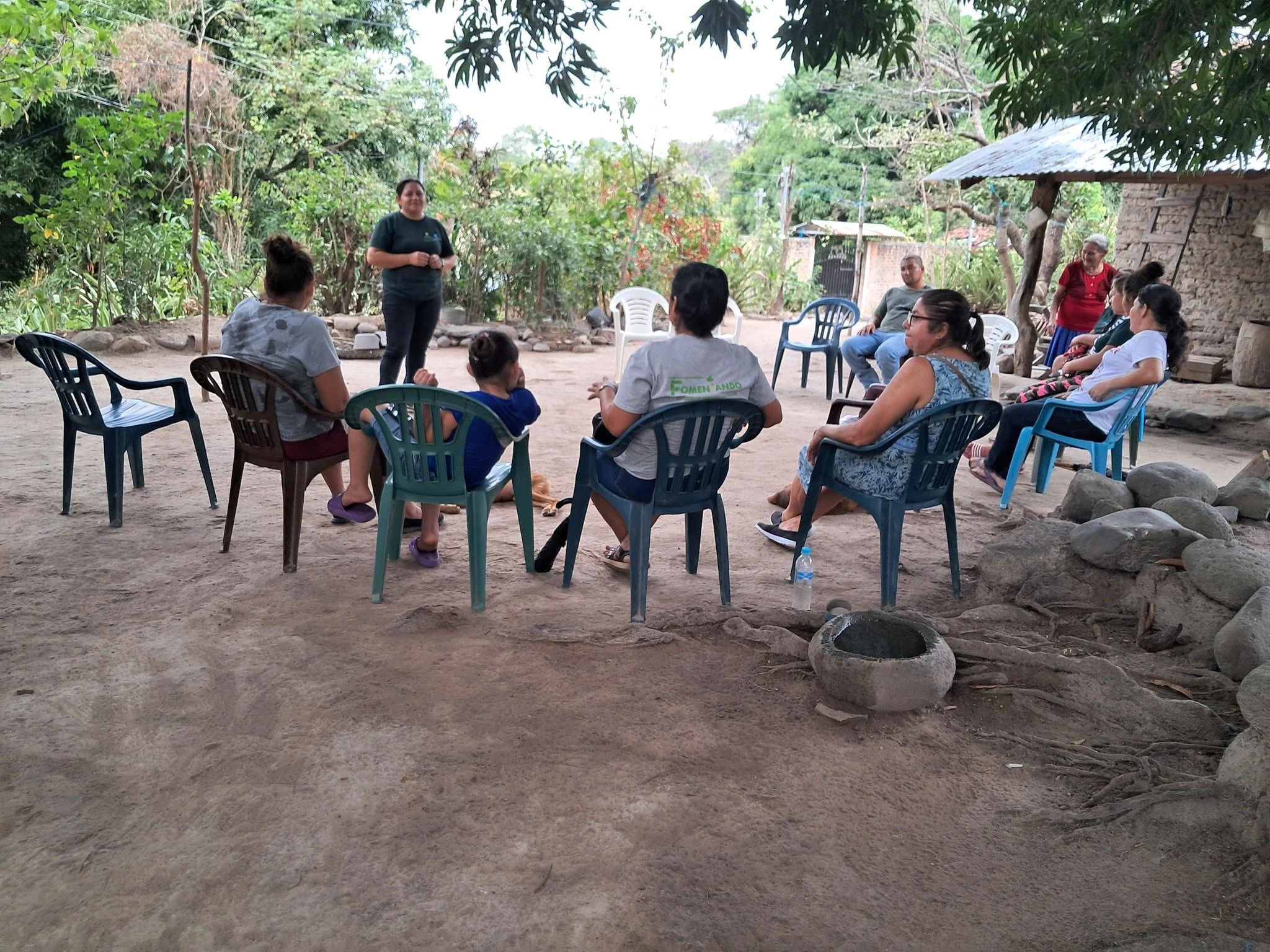
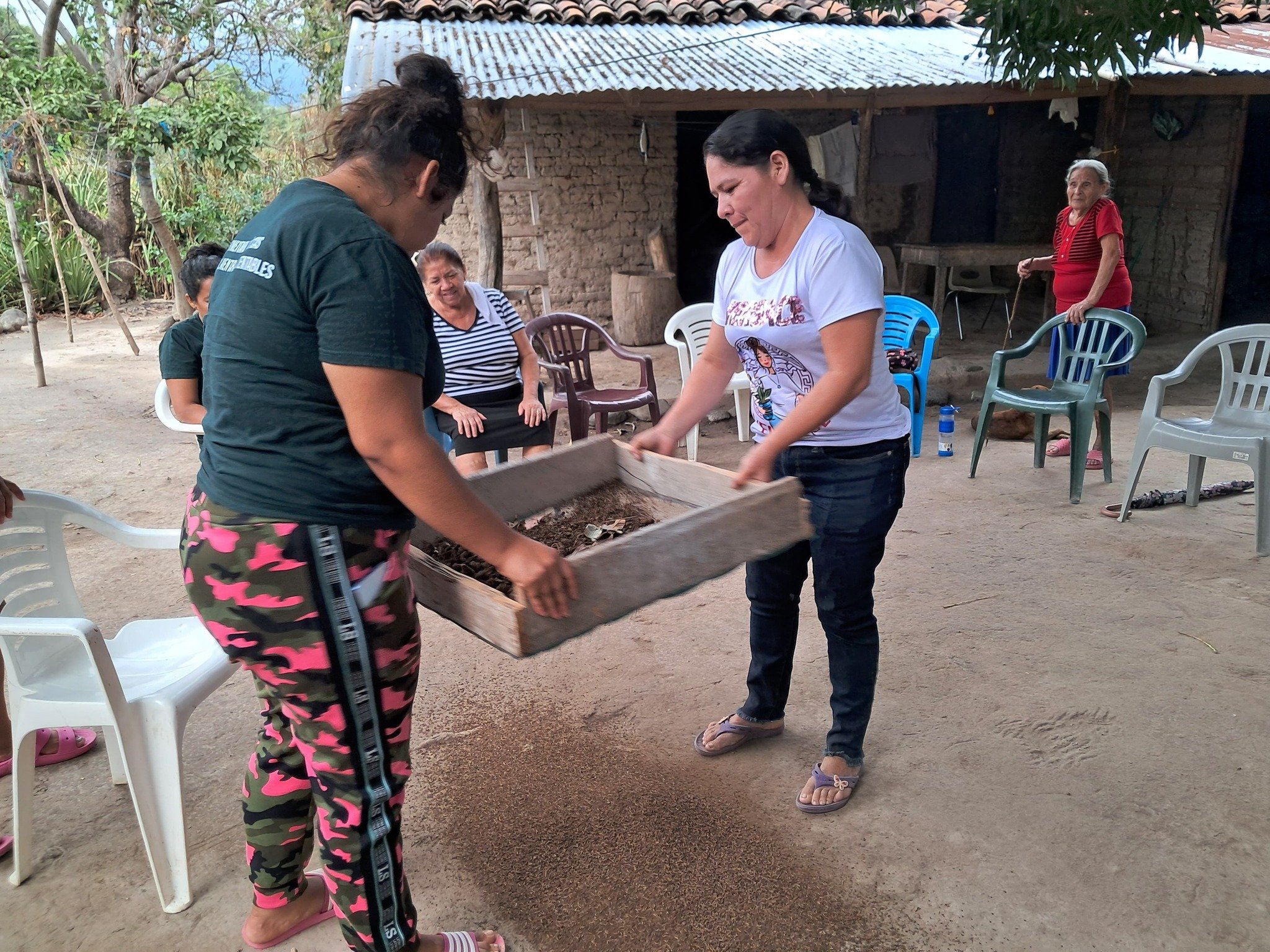
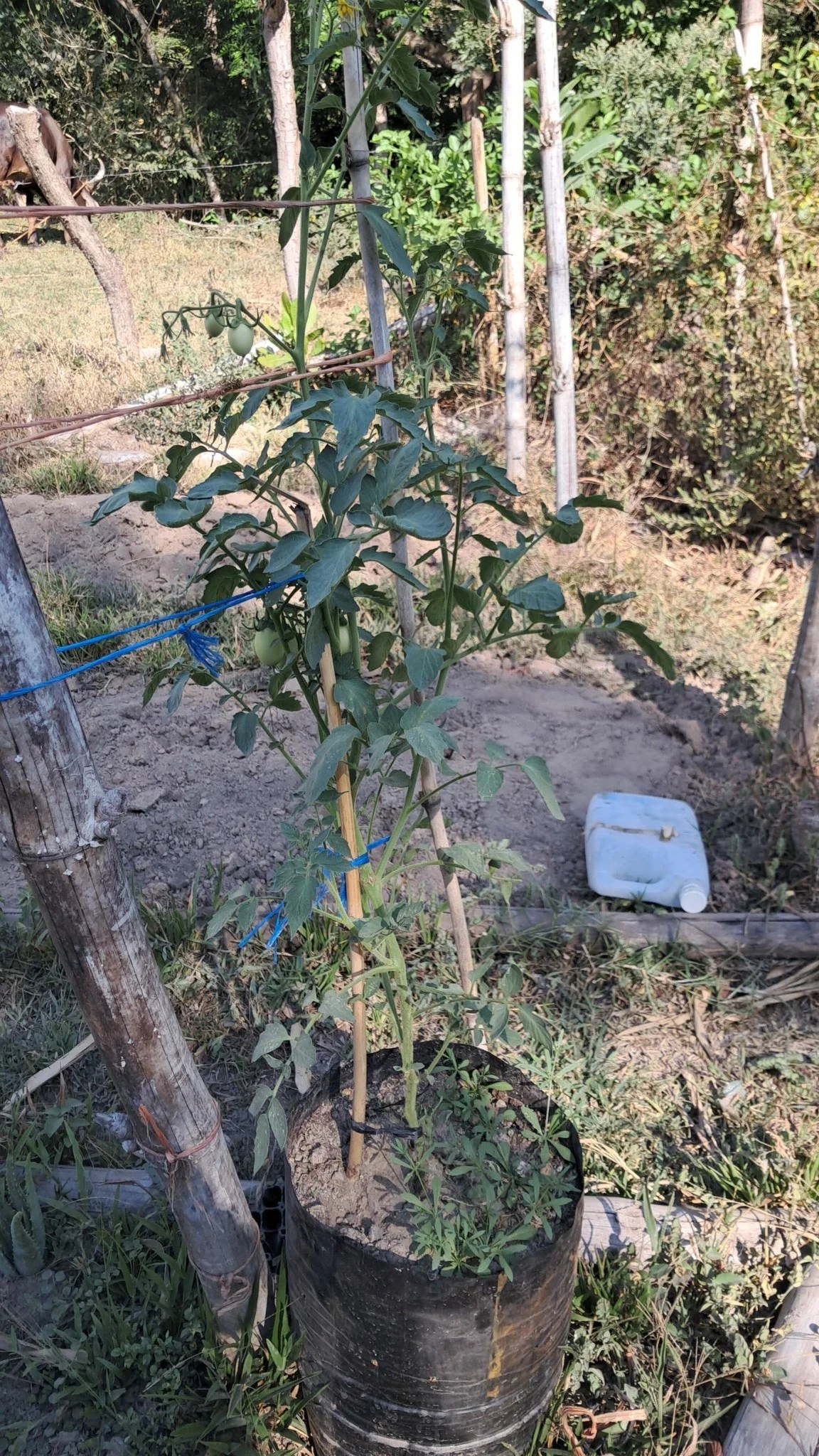
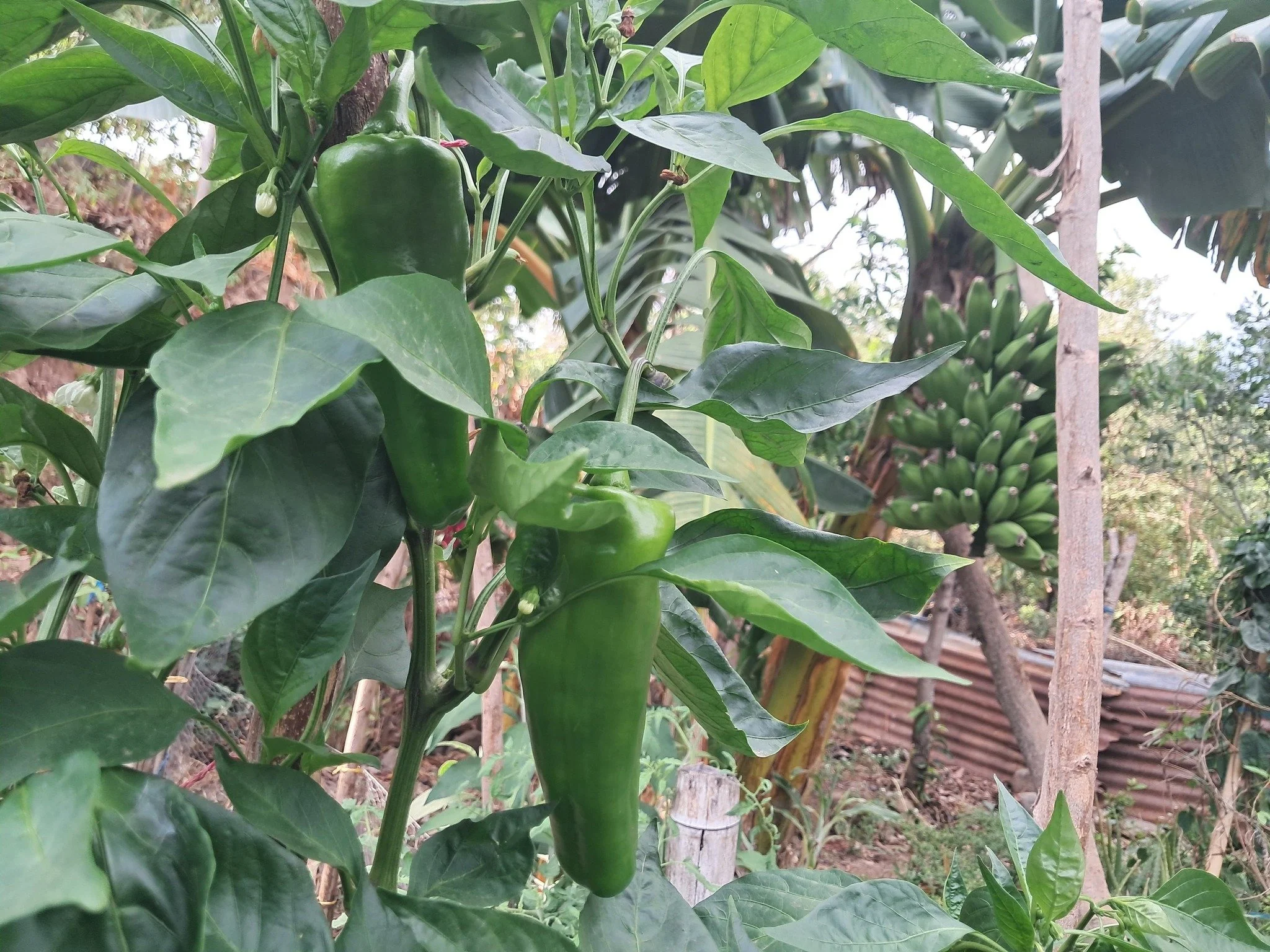
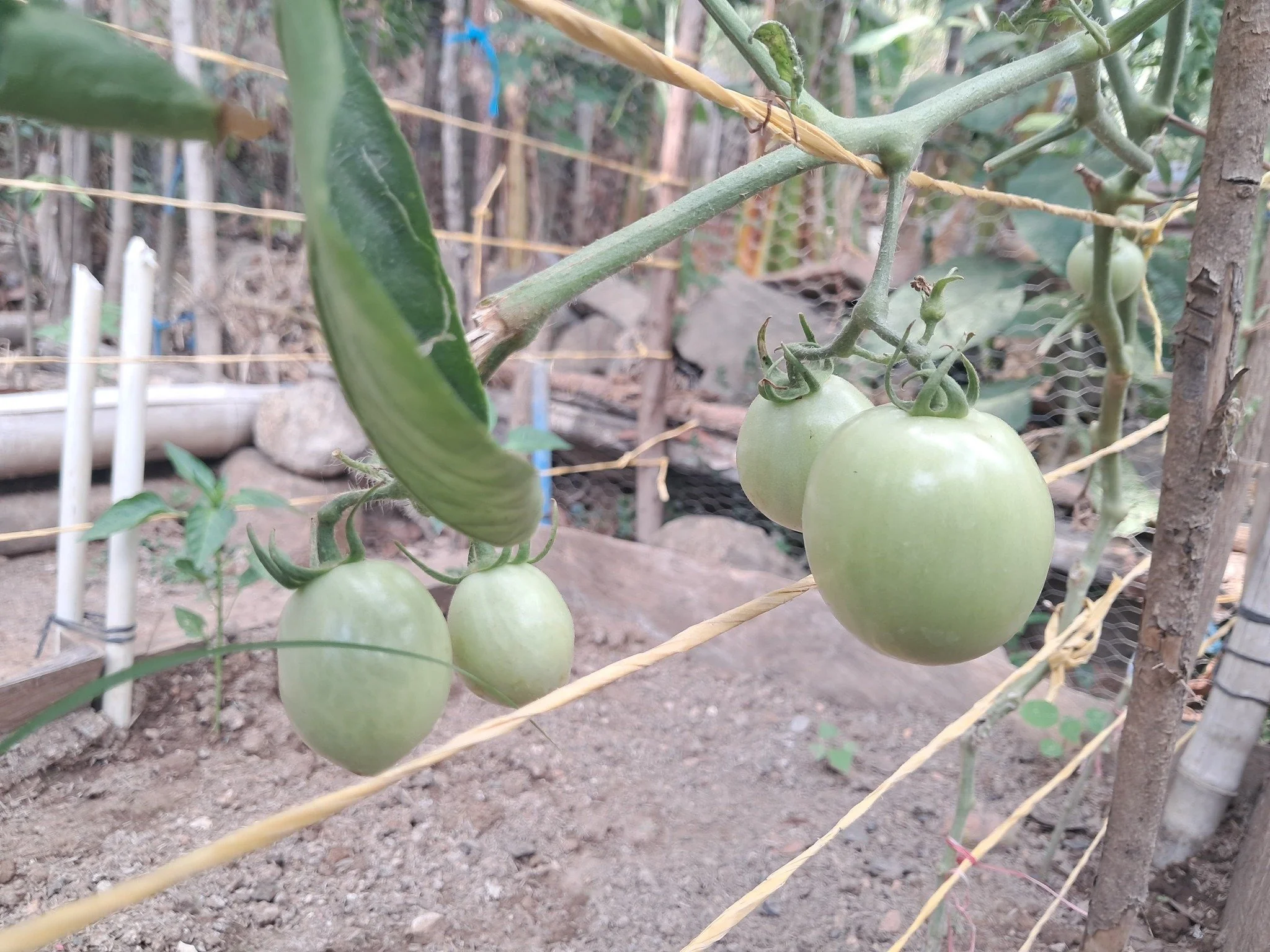
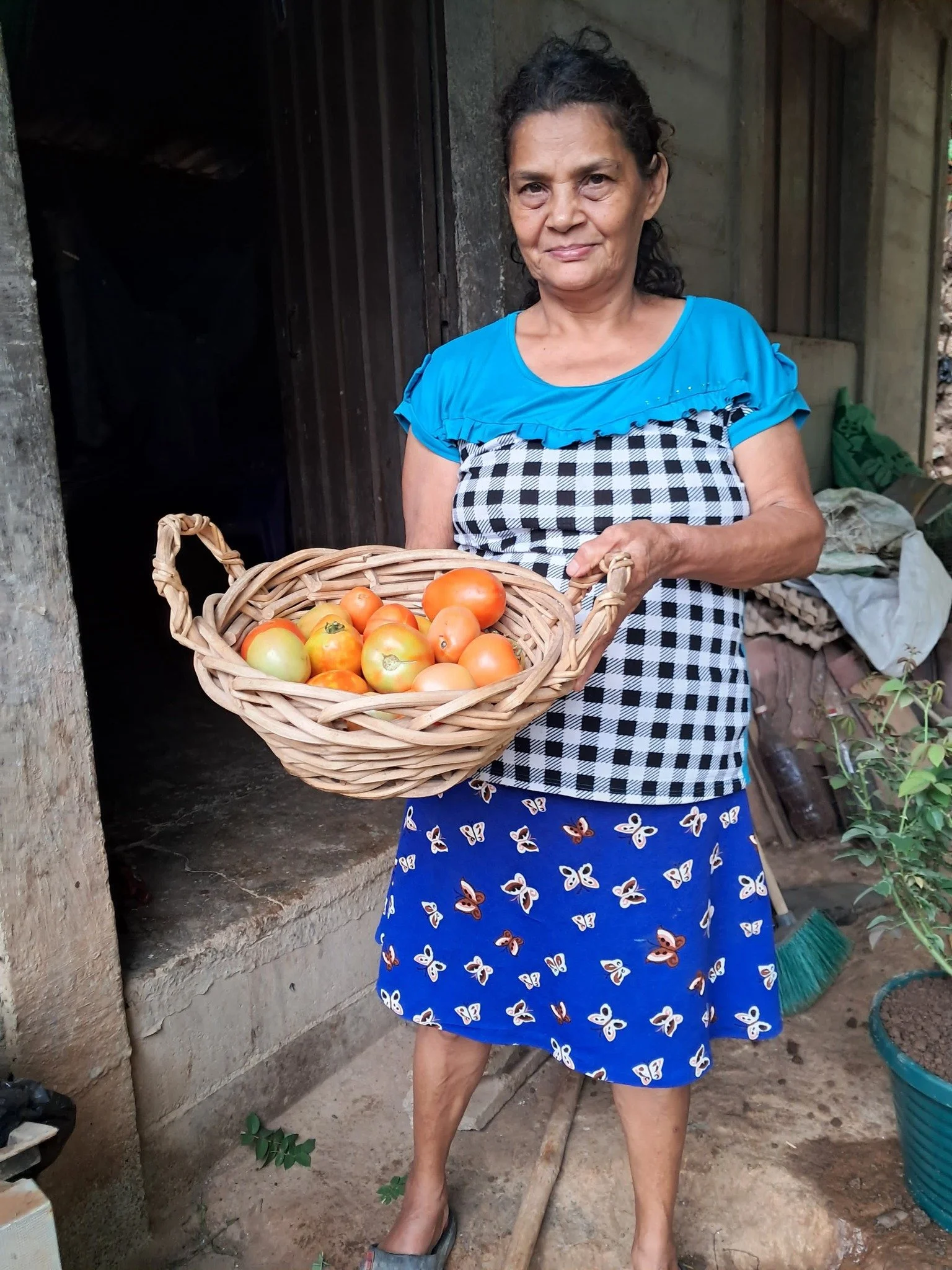
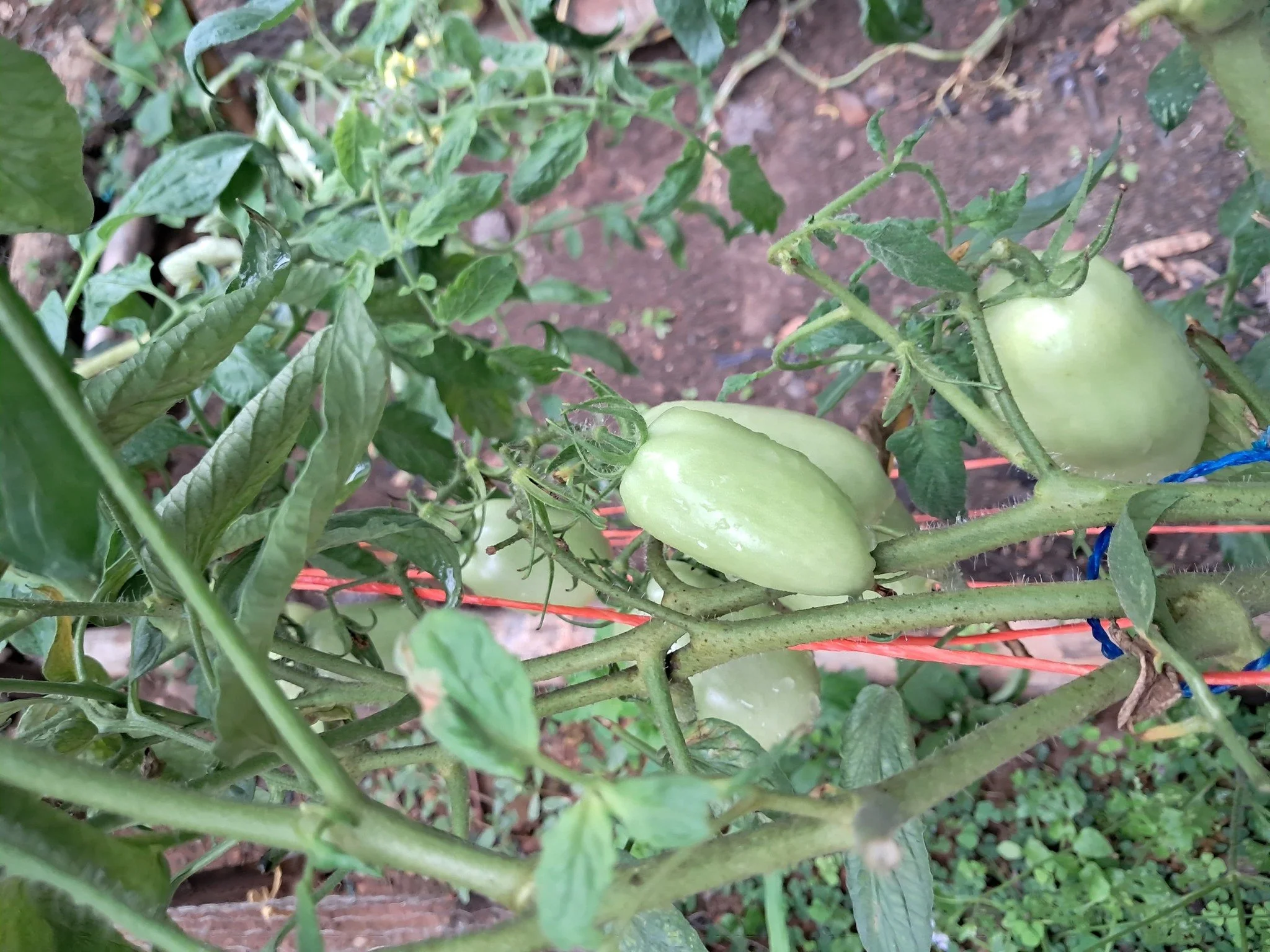
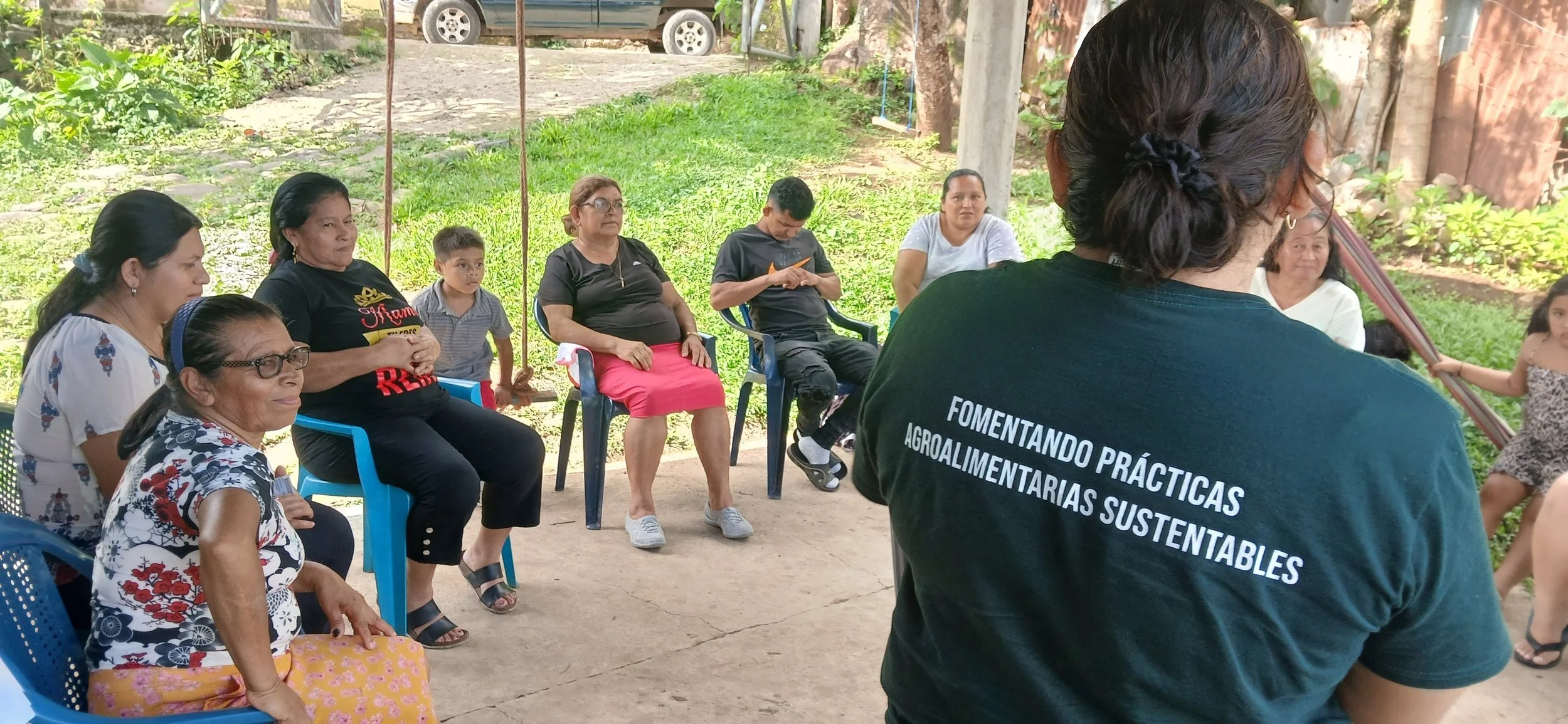
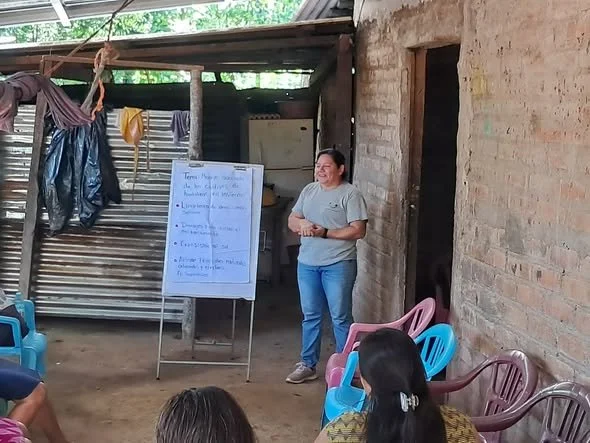
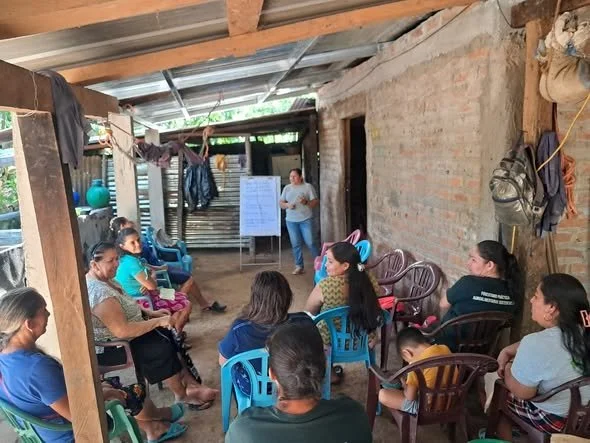
Throughout 2025, the Farming for the Future Program made immense progress! Due to desire to expand the program, we were contacted by the Community Development Associations of the Cantons of Santiago de Chile and San Antonio La Laguneta (both located in the San Juan Nonualco district). Through the meetings we have been able to learn about the social, economic, educational, and organizational realities of both places, while also presenting what we do as an organization to bring the program to life. We hope to continue these engagements to develop the program in these localities. Additionally, many training workshops were held throughout participating communities to provide training on how to properly maintain and grow agroecological, organic produce. Themes included:
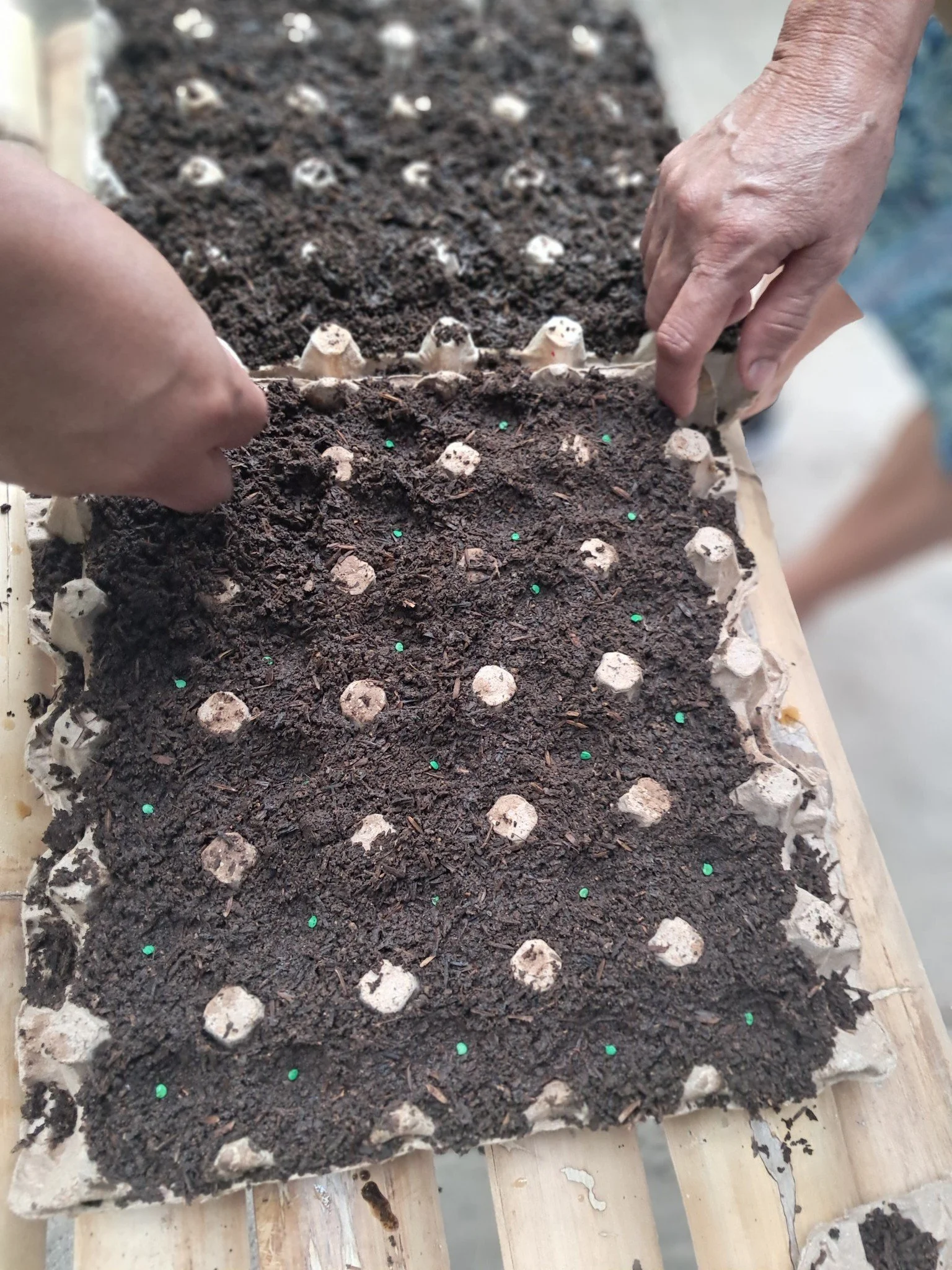
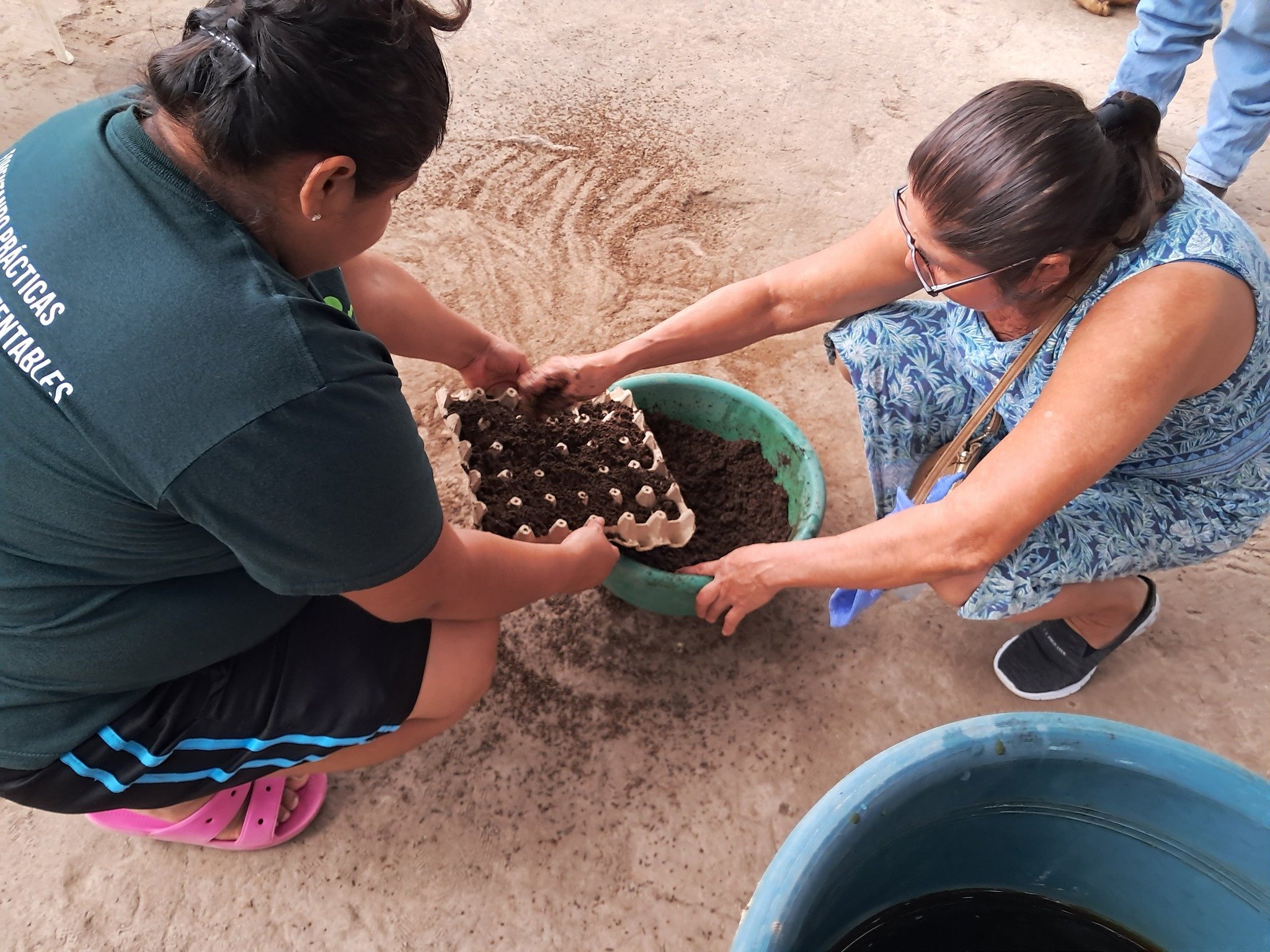
Seedbeds - Training provided necessary knowledge for each of the women members of the program to create their own seedbeds and not depend on external commerce to acquire these plants.
“My Garden, a reflection of my effort” - How taking care of the environment is taking care of ourselves, which is ultimately our goal of the FTF program.
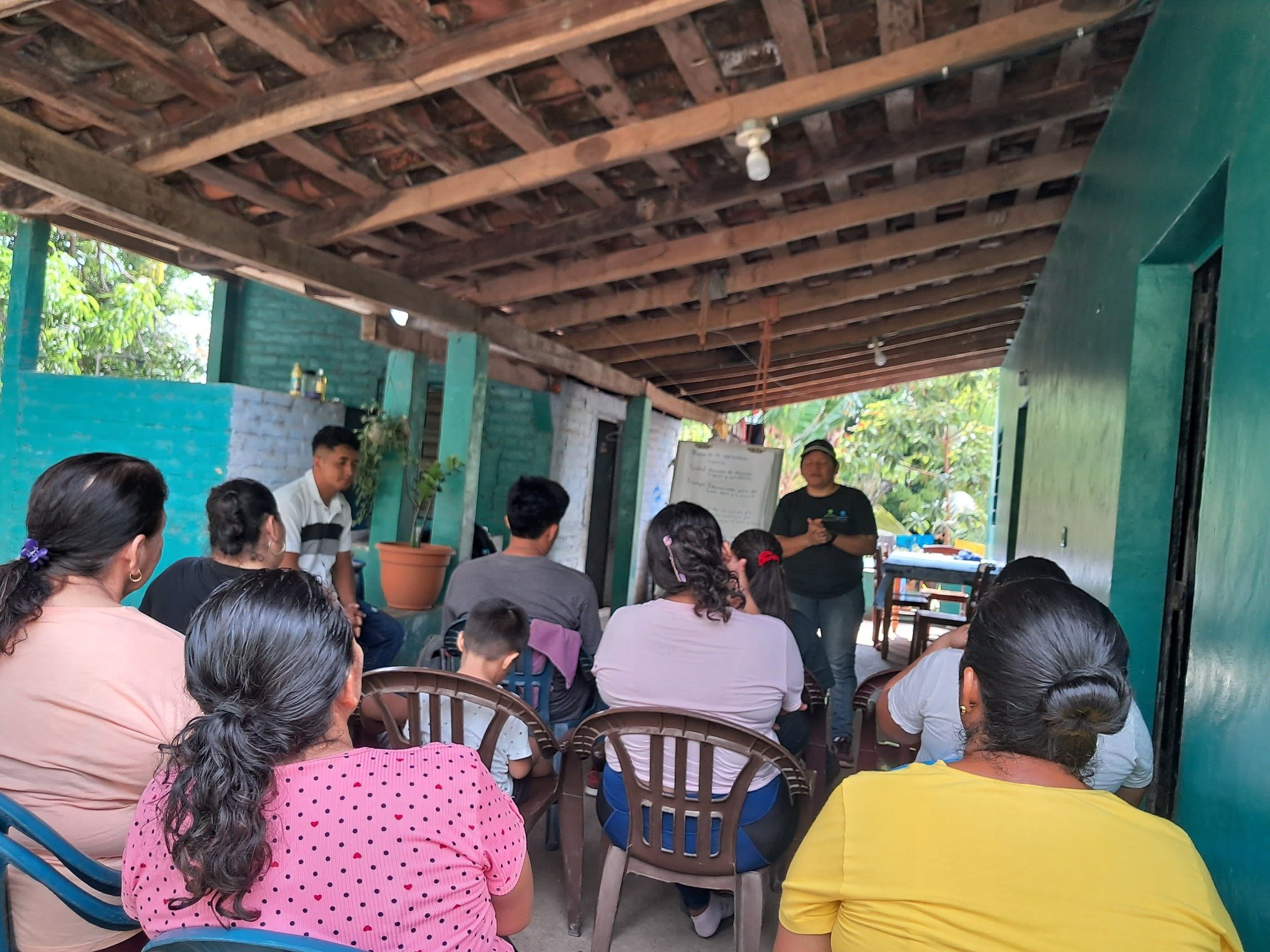
Basics of Organic Agriculture - Family members of the FTF Program in the cantons of Tehuiste and San Jeronimo with the objective to recall the benefits that these practices have on health, the environment, and other aspects of life.
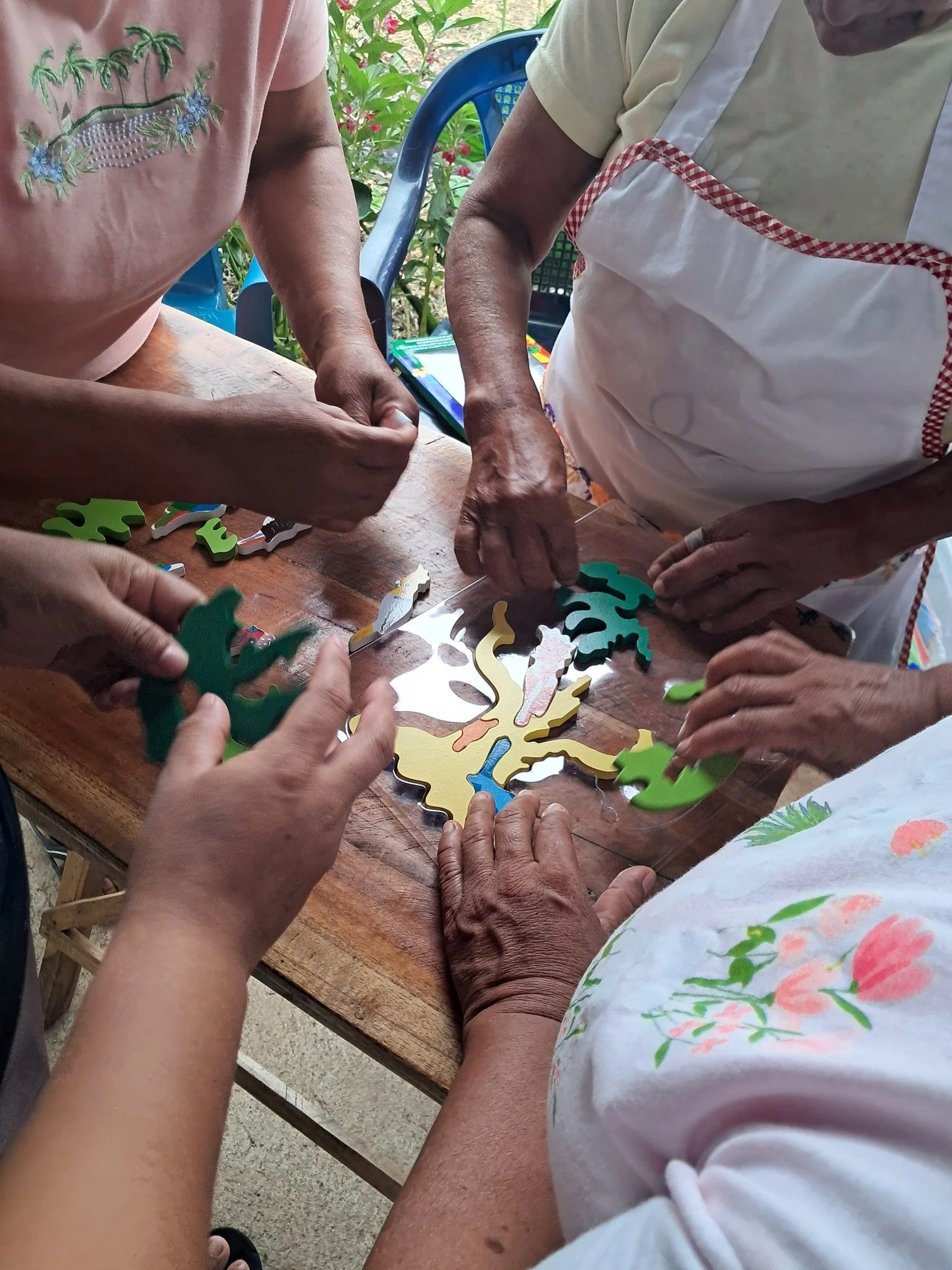
Identifying where I am and where I am going - Santiago de Chile. Following the same line of the Milpa Humana. Worth mentioning that this first stage of the process seeks for each participant to visualize how important they are for their community, for their families, and for themselves. And that they put love, enthusiasm, and dedication into every action they take.
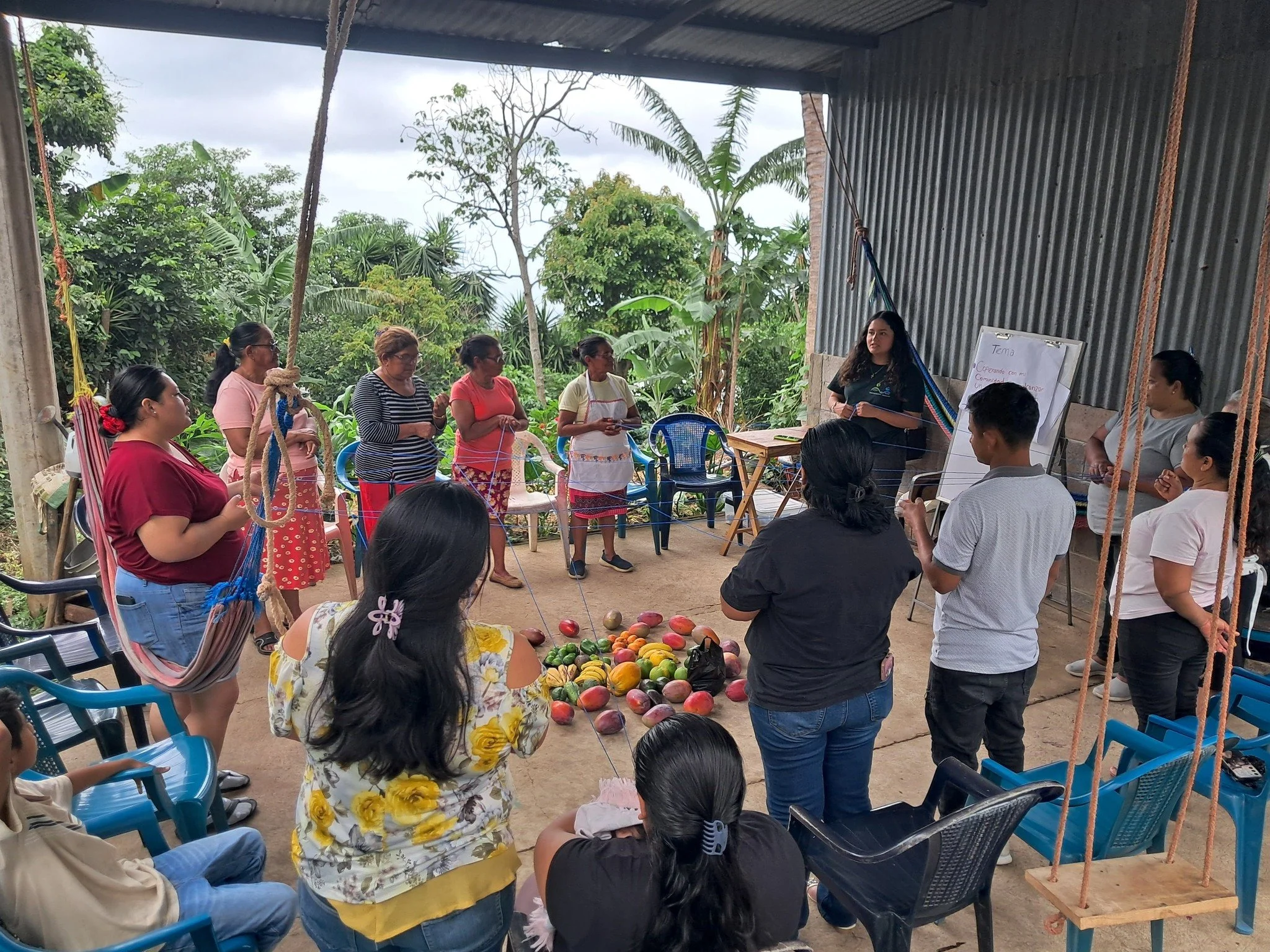
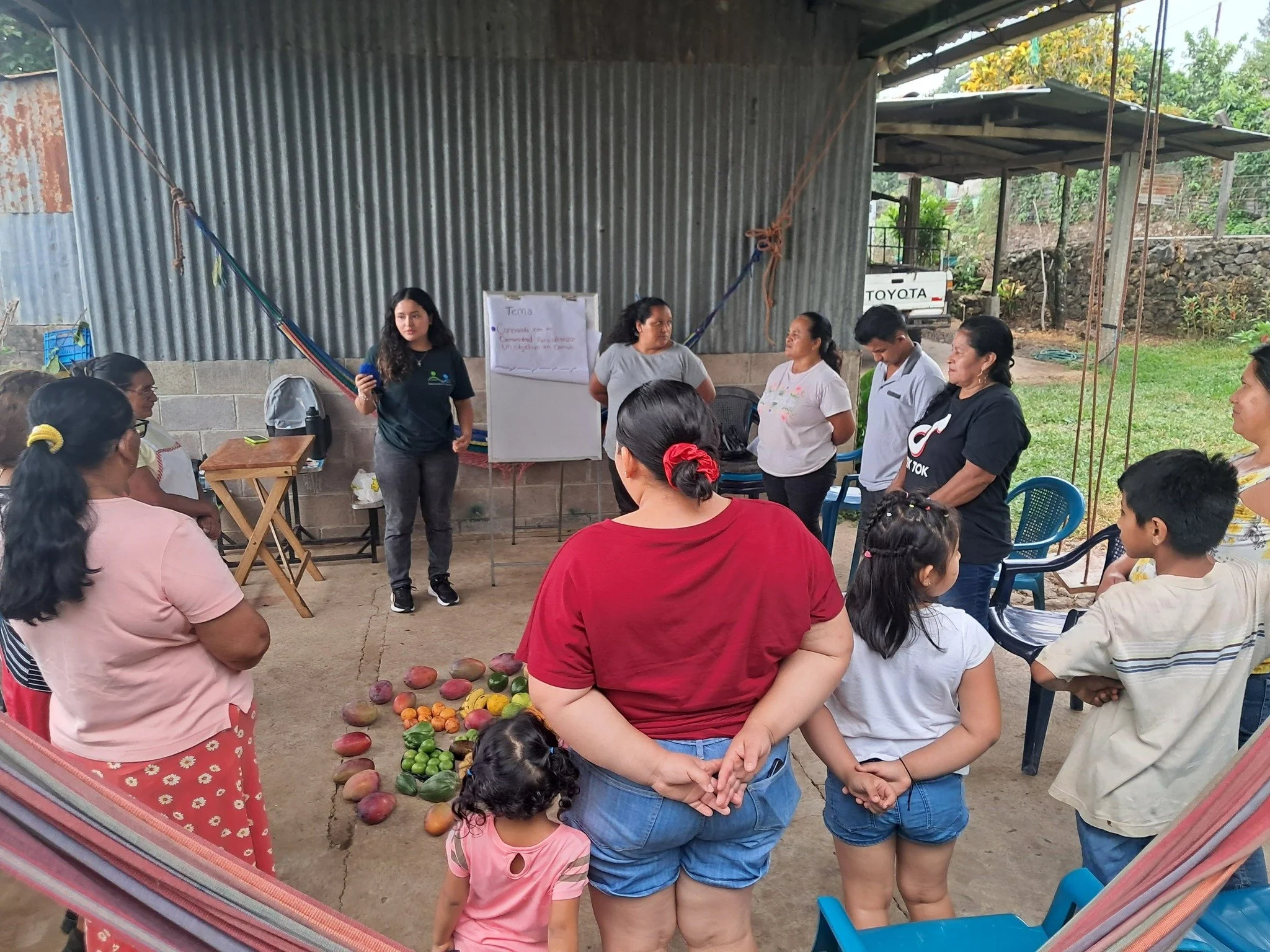
Cooperating with my Community - Empowerment process based on and inspired by the philosophy “La Milpa Humana” continues to be the approach carried out with the women and men of the Santiago de Chile community. Developed by Edu and Gabriela Sarai. The aim is to highlight the importance of teamwork, community organization, and the cooperation that should exist among everyone. The development of the topic was very participatory and collaborative.
Proper Crop Management during the Rainy Season - aim of preventing damage to the plants that are sown during the rainy season.